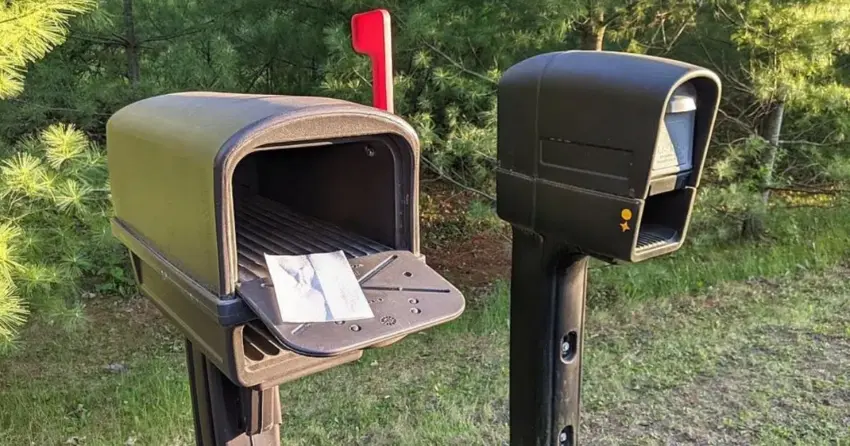
You walk down the driveway on a balmy June afternoon, flip down the squeaky metal door of your mailbox, and reach in for the stack of envelopes. Right alongside the utility bills and grocery coupons sits a fresh, perfumed laundry sheet tucked neatly against the back wall. Your first thought might be that a neighbor dropped it by mistake, or perhaps someone wanted to freshen up your junk mail. The truth is far more practical.
If you discover a scented dryer sheet in your mailbox, chances are your local postal carrier put it there on purpose. Far from a random housekeeping mistake, this simple household item serves as an ingenious line of defense against one of summer’s most painful outdoor hazards.
The Hidden Hazard Lurking in Curbside Mailboxes
Warm weather brings blooming garden beds, sun-drenched afternoons, and an explosion of insect activity. While honeybees busy themselves pollinating tomato blossoms, more aggressive stinging pests look for dark, sheltered real estate to build their colonies. Standard metal and heavy-duty plastic mailboxes create the exact environment paper wasps, yellowjackets, and hornets love most.
During peak summer, the interior of an enclosed box traps ambient warmth while shielding the insects from wind, driving rain, and larger predators. Small gaps around the hinge, drainage holes underneath, or an unlatched door offer an open invitation for a scouting queen to start building hexagonal brood comb.
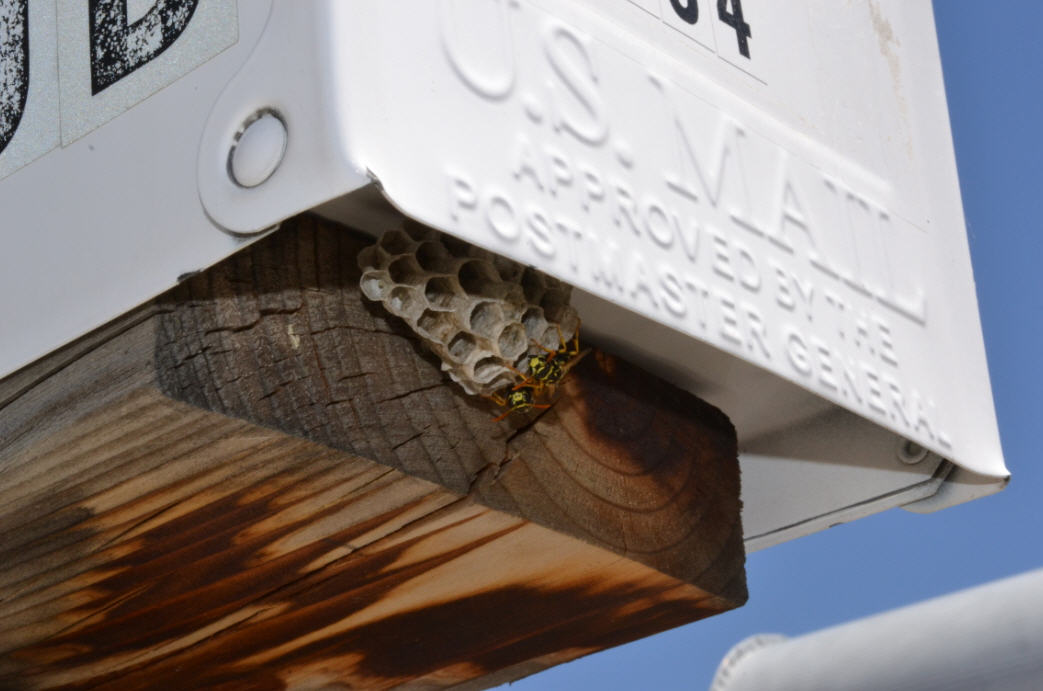
Even small crevices beneath or inside a curbside mailbox make tempting nesting grounds for neighborhood paper wasps.
For rural and suburban mail carriers, this creates a serious daily occupational hazard. Postal workers deliver to hundreds of addresses across a single shift, often reaching blindly into dim enclosures while keeping their eyes on the road. Disturbing an undiscovered nest triggers an immediate swarm response. A single agitated yellowjacket can sting multiple times without losing its stinger, leaving the carrier trapped in a tight delivery vehicle with furious insects.
The Science: Why Wasps Despise Scented Laundry Sheets
So why reach for a laundry supply instead of commercial bug spray? The answer comes down to how stinging insects sense their surroundings. Wasps, hornets, and bees do not hunt or navigate by sight alone; they rely heavily on powerful olfactory receptors located in their antennae to track food sources, detect pheromone signals from their colony, and choose safe nesting spots.
Traditional scented dryer sheets are loaded with concentrated aromatic compounds such as linalool, beta-citronellol, and synthetic floral masking agents. To human noses, these sheets smell like fresh linen or lavender. To a wasp, the intense aroma is totally overwhelming.
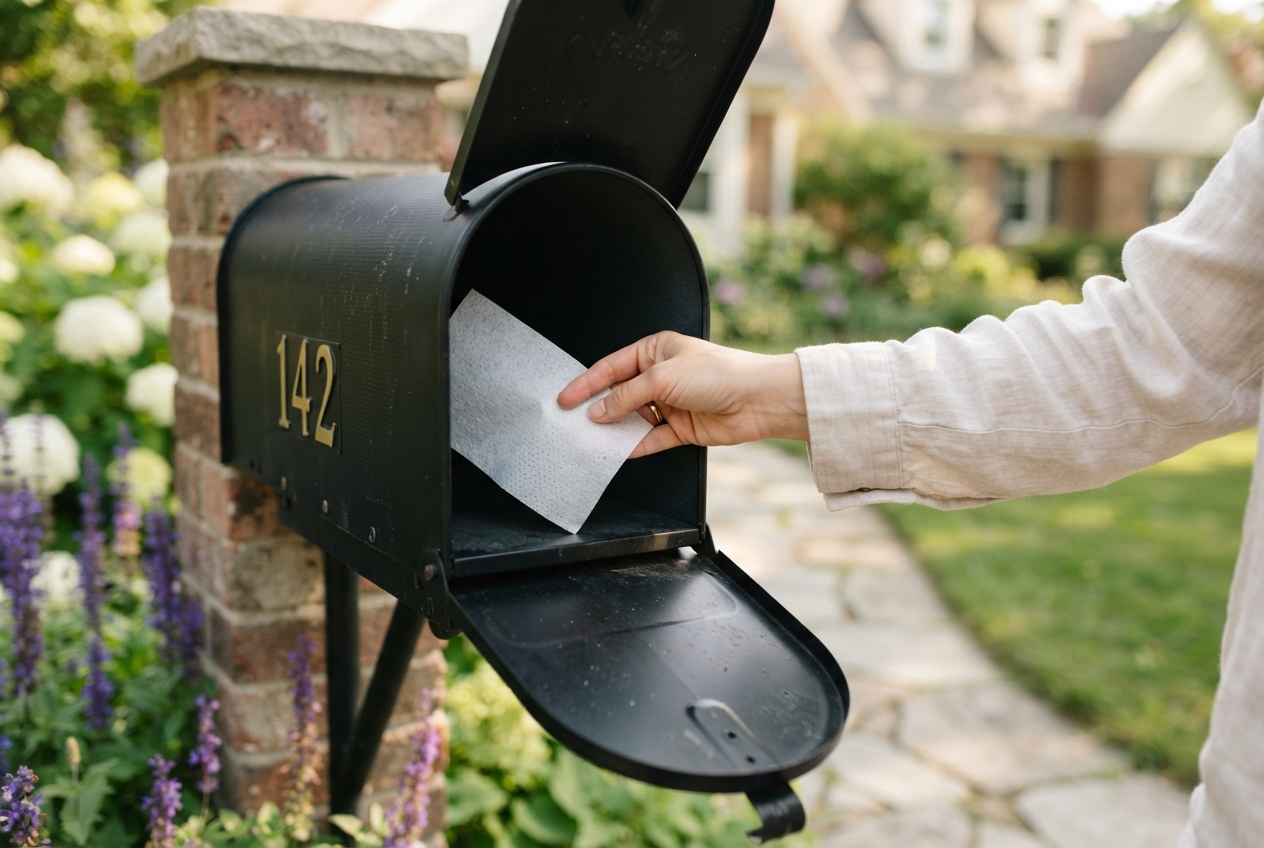
Tucking a fresh sheet against the rear wall keeps it clear of outgoing letters while protecting incoming deliveries.
The potent fragrance blocks the chemical cues insects need to evaluate a nesting site. Unable to pick up natural scent markers, the wasps perceive the enclosed space as inhospitable or toxic, turning around to seek shelter elsewhere. It acts as an olfactory shield without depositing sticky chemical residues on your paper mail.
What to Do If You Spot a Sheet in Your Box
If you spot one of these white sheets resting inside your box, the golden rule is simple: leave it alone. Your delivery driver likely noticed early signs of insect interest—or perhaps already took a painful sting on your block—and took quick action to keep both of you safe.
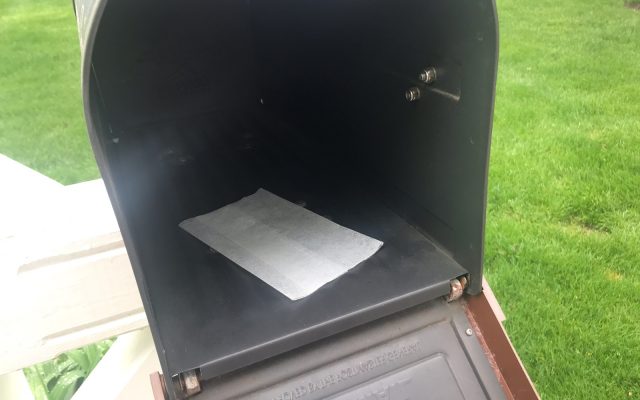
A fresh dryer sheet tucked flat at the back releases a potent scent that encourages flying insects to search elsewhere.
Here is how you can help manage this easy deterrent throughout the warmest months of the year:
- Keep it flat against the back or floor: Position the sheet where it will not catch on large parcels or tear when letters slide inside.
- Monitor the fragrance: Summer heat will bake the essential fragrances out of the fabric over time. Once the fresh scent fades completely—usually after two to three weeks—swap it with a fresh one from your laundry room.
- Avoid masking with heavy industrial sprays: Do not coat the interior with greasy pesticide sprays unless an active nest requires targeted elimination, as greasy residues ruin paper envelopes.
Active Nest vs. Preventative Repellent: Know the Difference
It is important to understand that a laundry sheet functions purely as a scent deterrent, not an extermination tool. If a queen has already constructed a gray paper comb and laid eggs, the protective instinct of the worker wasps will overpower their dislike of the laundry scent.
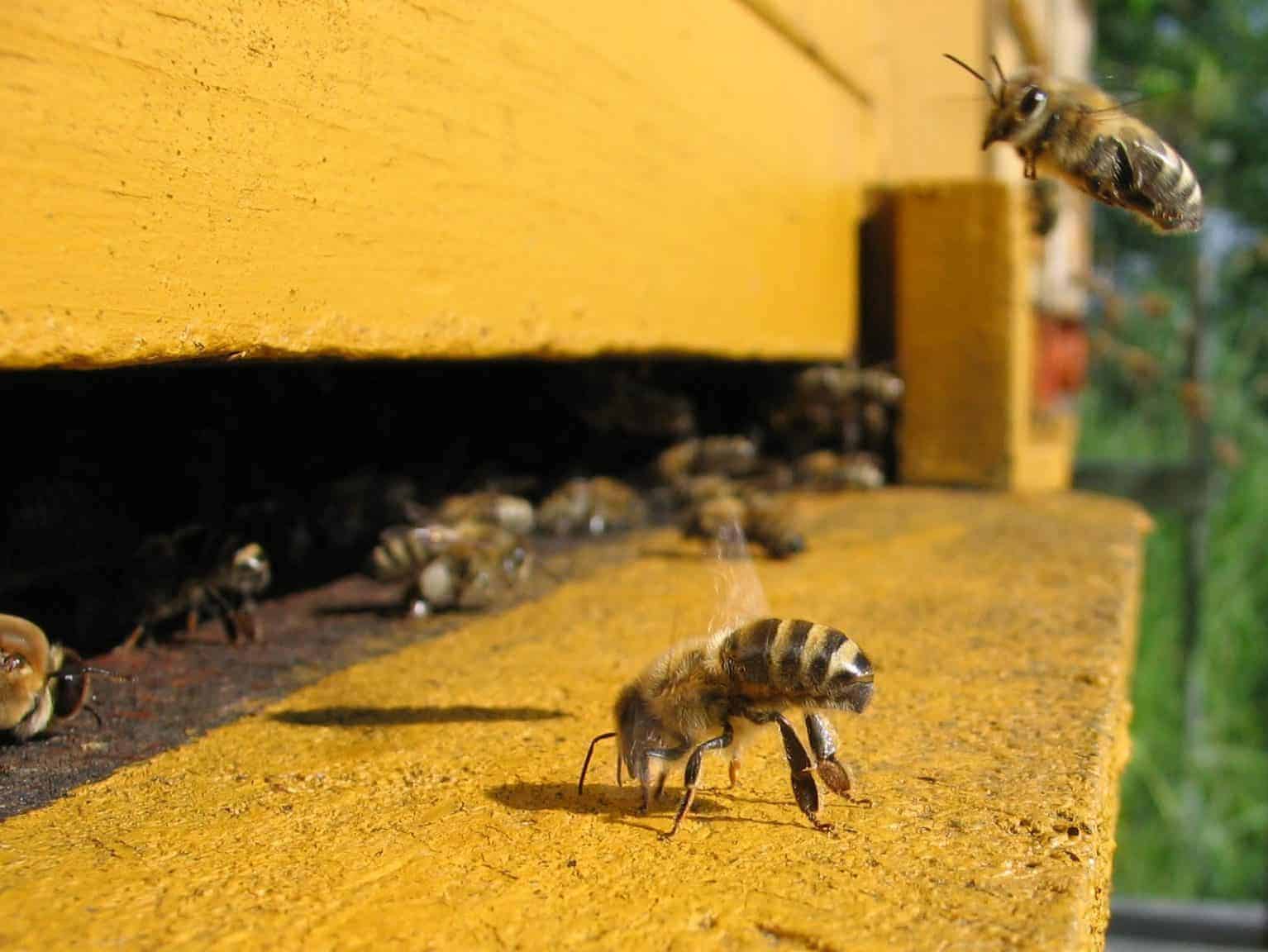
Stinging insects become fiercely protective once a queen lays eggs, making early seasonal prevention essential.
If you open your mailbox and spot an active nest with insects actively guarding it, take these safe steps rather than tossing in a sheet:
- Wait for dusk: Wasps are diurnal creatures. They return to the nest and become sluggish once the sun sets and temperatures drop, reducing the risk of a retaliatory sting.
- Use a targeted non-toxic spray: Mix two tablespoons of regular dish soap into a spray bottle filled with warm water. The soapy water coats their breathing spiracles and grounds them quickly without leaving toxic chemical residue where your letters sit.
- Scrape the anchor point clean: Once the nest is dead and removed, scrape the mounting surface thoroughly and wipe the area with white vinegar to erase lingering pheromones that attract future queens.
Safety Note: If you or anyone in your household suffers from severe insect venom allergies, avoid tackling an active wasp nest yourself. Contact a local pest management professional or your neighborhood association for assistance.
Natural DIY Alternatives That Work Just as Well
If you prefer to avoid synthetic laundry fragrances or keep a strictly fragrance-free home, you can achieve the exact same pest-repelling effect using plant-based essential oils. Many of the natural botanicals we love in our gardens naturally evolved to fend off insects.

Simple pantry staples like clove buds and peppermint oil provide a natural, chemical-free way to keep stinging pests away from your porch and mailbox.
Try these safe, non-toxic garden remedies to safeguard your post:
- Peppermint Oil Cotton Balls: Soak two large organic cotton balls with eight to ten drops of pure peppermint essential oil. Tuck them into the far corners of the box. Peppermint contains high levels of menthol, which wasps actively avoid.
- Clove and Geranium Oil Mist: Combine ten drops of clove bud oil, ten drops of lemongrass oil, and ten drops of geranium oil in a small four-ounce spray bottle filled with water. Lightly mist the inner ceiling and hinges once a week.
- Whole Cloves in a Sachet: Fill a tiny breathable cotton drawstring bag with whole dried cloves and hang it from the rear mounting bracket. The spicy eugenol aroma deters both wasps and spiders.
Proactive Mailbox Maintenance for Pest-Free Summers
Beyond scent deterrents, a quick five-minute inspection at the start of spring keeps unwanted critters from moving into your hardware. Insects search for cracks, seams, and dark overhangs where they can secure their nests away from wind and rain.
Check the exterior seams of your mailbox post and mounting bracket. Seal any wide gaps around wooden posts with exterior-grade caulk, and make sure the door latch closes tightly so the box does not hang ajar throughout humid afternoons. Trim back tall ornamental grasses, overgrown shrubs, and flowering vines that touch the post, removing the natural bridges that spiders and foraging insects use to reach the door.
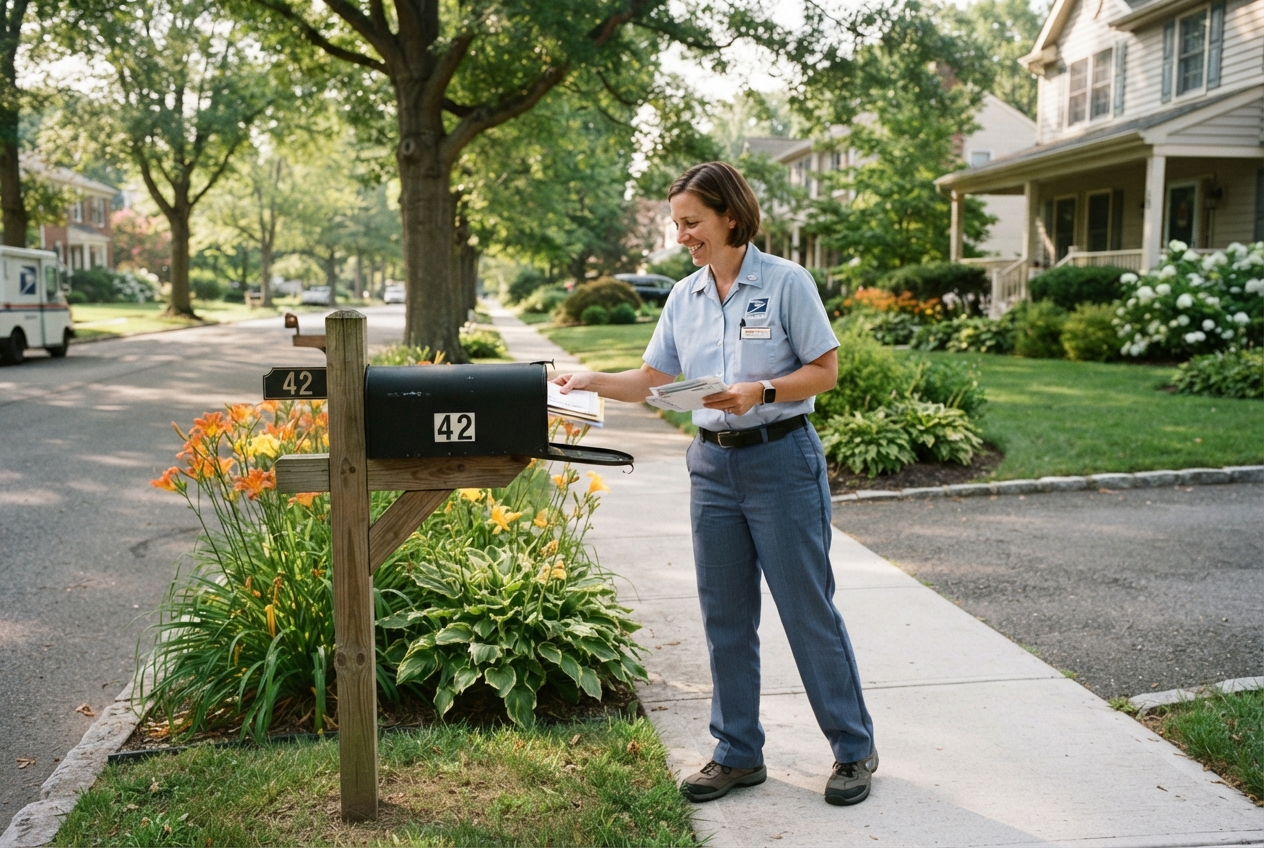
Mail carriers reach into hundreds of dark boxes daily, making sting prevention a shared neighborhood courtesy.
Supporting Your Neighborhood Mail Carrier
Postal carriers work through blistering heat waves, summer thunderstorms, and tough physical routes to ensure our packages arrive on schedule. Taking a moment to check your curbside box for stinging insects is a small act of kindness that makes a massive difference in their workday safety.
Next time you see a fragrant dryer sheet in your mailbox, appreciate the clever thinking behind it. Leave it right where it is, refresh it when the scent softens, or swap in a peppermint-infused cotton ball. You will keep your daily mail runs peaceful while ensuring your friendly carrier stays sting-free all summer long.