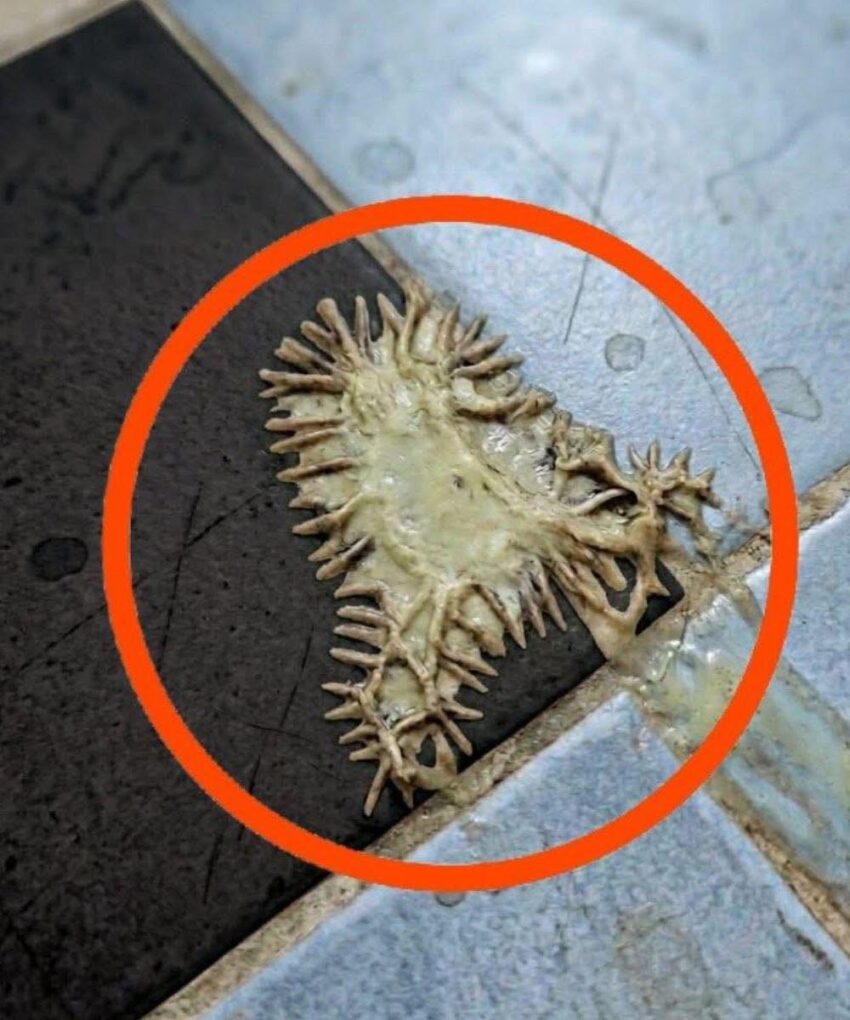
Barefoot on cool bathroom tile during a peaceful Saturday morning routine is supposed to be comforting. Then your eyes land on something that makes you freeze in place—a strange, jelly-like patch sitting right near the baseboards. It looks almost alive, pulsing with a pale yellow color and fan-like edges that definitely weren’t there during yesterday’s cleaning blitz.
Finding slime mold in bathroom corners isn’t how anyone expects to start a quiet weekend. Your mind immediately leaps to structural water leaks, toxic growth, or strange pests creeping through floor crevices. Take a deep breath, step back, and leave the bleach in the cabinet for just a minute while we figure out what you are looking at.
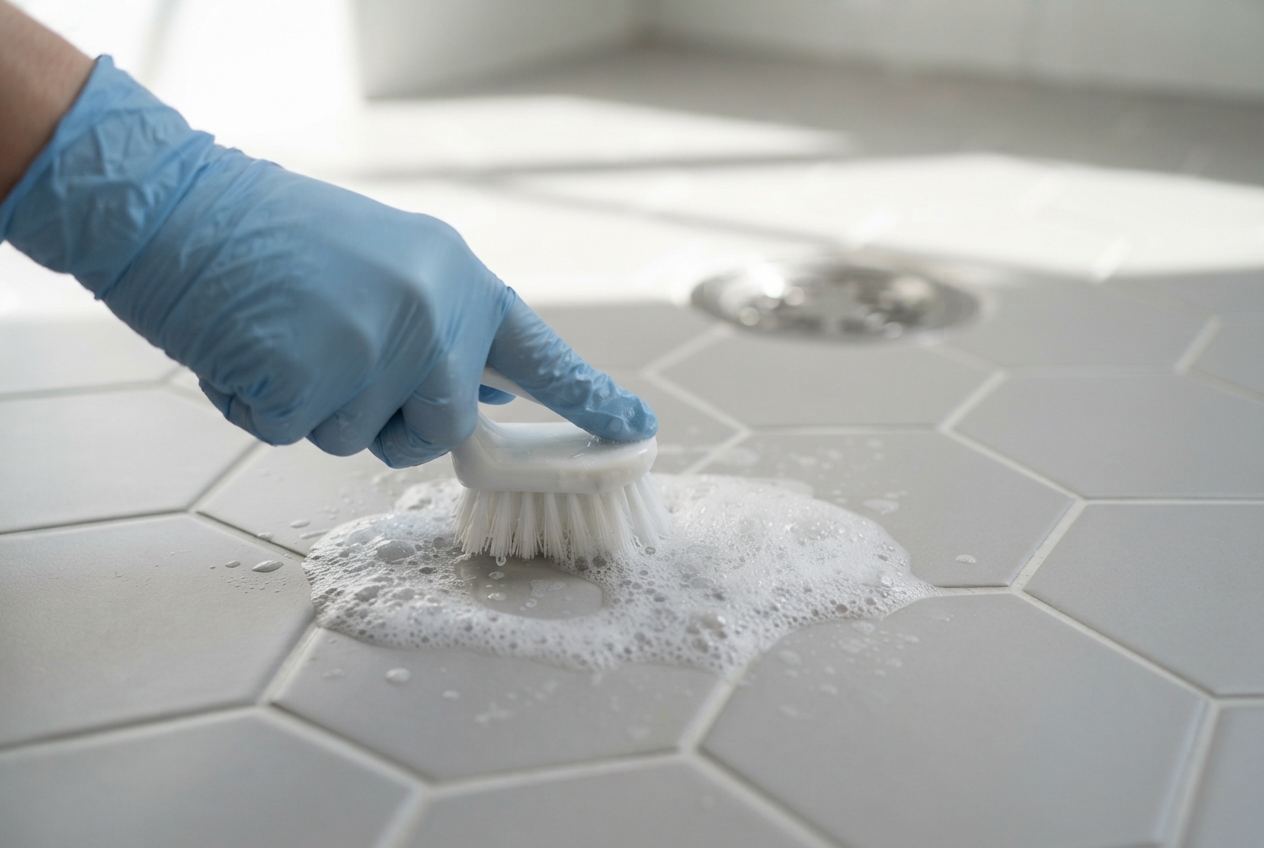
Scrubbing tile grout with a soft-bristled brush prevents fungal spores from clinging to porous surface lines.
Is That Slime Mold in Bathroom Tiles? How to Identify Mystery Floor Blobs
Before panicking, it helps to narrow down what kind of unexpected guest has arrived on your floor. Bathrooms create microclimates rich in moisture, soap residue, and steam—an inviting environment for organisms drifting in through open windows or attached to shoes.
True slime molds (often from the class Myxomycetes) are fascinating single-celled organisms that cluster together into soft, gelatinous masses. They often appear bright yellow, bright orange, or pale off-white, featuring delicate spiderweb branches or a shiny, gel-like texture. Unlike structural wood-rot fungi, they feed on decaying organic particles and bacteria resting on damp surfaces.
To help you diagnose the mystery blob quickly, compare its physical features against these common household culprits:
| Growth Type | Visual Texture | Typical Color | Common Location |
|---|---|---|---|
| Slime Mold | Gelatinous, soft, veined fan shapes | Yellow, orange, pale tan | Damp tile grout, subfloor gaps, tub bases |
| Pink Mildew | Slick, powdery or filmy sheet | Salmon pink, reddish-orange | Shower curtains, grout lines, soap dishes |
| Black Mold | Dark, fuzzy, velvety circular spots | Deep green, charcoal black | Drywall, ceiling corners, window sills |
| Wax Seal Deterioration | Sticky, dense, squishy paste | Dark brown, yellowish-amber | Directly around the base of the toilet bowl |
If your spot matches the soft, veiny structure of slime mold, there is good news. These organisms do not produce airborne toxins like severe black mold, nor do they eat away at solid ceramic tile. They simply found an unexpectedly damp haven with enough organic dust to settle down.
Why Jelly-Like Growth Suddenly Appears Indoors
You might wonder how something that looks like it belongs on a forest floor ended up next to your bath mat. The simple answer comes down to invisible spore transport paired with localized humidity pockets.
Microscopic spores enter homes constantly on fresh breeze currents, houseplant soil, pet paws, or outdoor gear. Under normal dry conditions, those spores remain harmlessly dormant and sweep away during routine cleaning. However, when steam builds up after hot showers without proper ventilation, those spores find an environment ready for growth.

Monitoring indoor humidity with a digital hygrometer helps keep bathroom moisture safely below 50 percent.
Slime molds thrive when moisture sits pooled on non-porous surfaces for extended hours. Poorly sealed tile grout absorbs lingering water, creating a slow-drying moisture pad right beneath your feet. Add a little warmth, subtle dust, and soap film, and a tiny spore can swell into a noticeable jelly patch overnight.
How to Safely Remove and Sanitize Floor Blobs
Cleaning up an unidentified mass requires a controlled approach so you don’t smear spores across a wider radius or ruin your floor finish. Skip harsh chemical sprays that create heavy indoor fumes—a gentle, targeted strategy works better.
- Put on protective gear: Grab a pair of reusable rubber gloves and safety glasses to keep cleansers out of your eyes.
- Scoop, don’t blast: Avoid spraying cold water directly at the blob with a high-pressure showerhead, which scatters particles. Carefully lift the physical mass using dry paper towels and drop it into a trash bag.
- Apply natural sanitizers: Spray distilled white vinegar or 3% hydrogen peroxide directly onto the exposed grout. Let the liquid sit for 15 minutes to penetrate porous gaps.
- Scrub grout lines: Work a soft-bristled brush into the tile grooves to clear away microscopic roots or trapped organic debris.
- Dry completely: Wipe the area clean with a fresh waffle-weave microfiber cloth, then point a small desk fan at the floor to dry the subfloor completely.
Once the floor is completely dry, seal up the garbage bag and take it outside. Disinfect your gloves with warm water and soap before storing them away.
Long-Term Moisture Control and Ventilation Upgrades
Stopping mystery growth from making a comeback requires changing the moisture habits of your bathroom. Fungi and slime molds cannot survive without consistent water sources, making humidity control your best defense strategy.
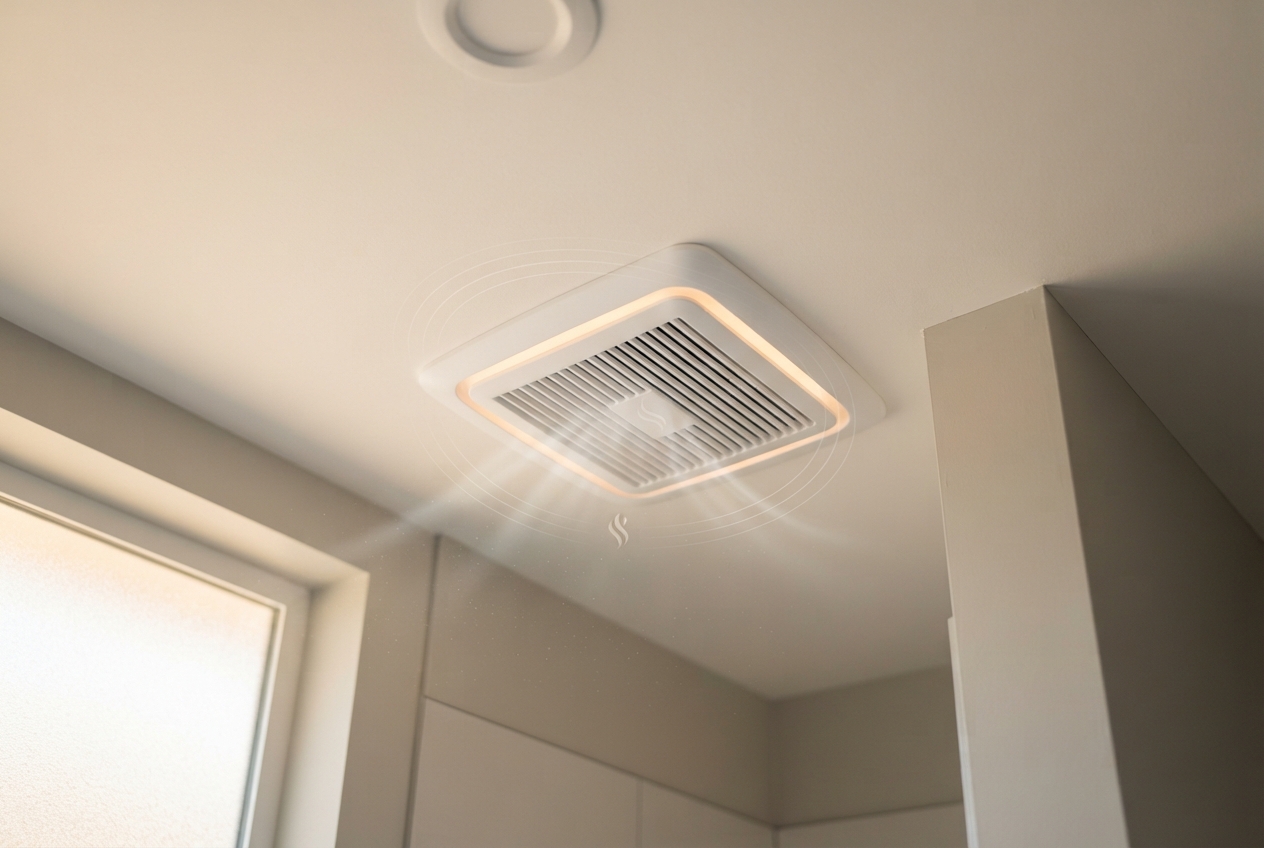
Running an adequately rated vent fan during and after showers removes lingering water vapor before mold can settle.
Start by testing your ceiling exhaust fan. Hold a single sheet of toilet paper against the vent grille while the fan is running; if the suction doesn’t hold the paper firmly in place, the fan motor or ductwork needs cleaning. Aim to keep your exhaust running for at least 20 minutes after finishing a bath or shower.
Keep indoor relative humidity below 50 percent throughout the year. Setting a compact digital hygrometer on your vanity gives an accurate real-time reading. If high humidity lingers, place a quiet, portable dehumidifier in the corner to pull excess water out of the air.
Inspect your grout lines twice a year for cracks or missing sealant. Unsealed grout acts like a sponge, drawing water beneath tiles where dark, warm conditions allow mold spores to settle undetected. Applying a clear, penetrating silicone grout sealer creates a waterproof shield that keeps moisture resting harmlessly on top.
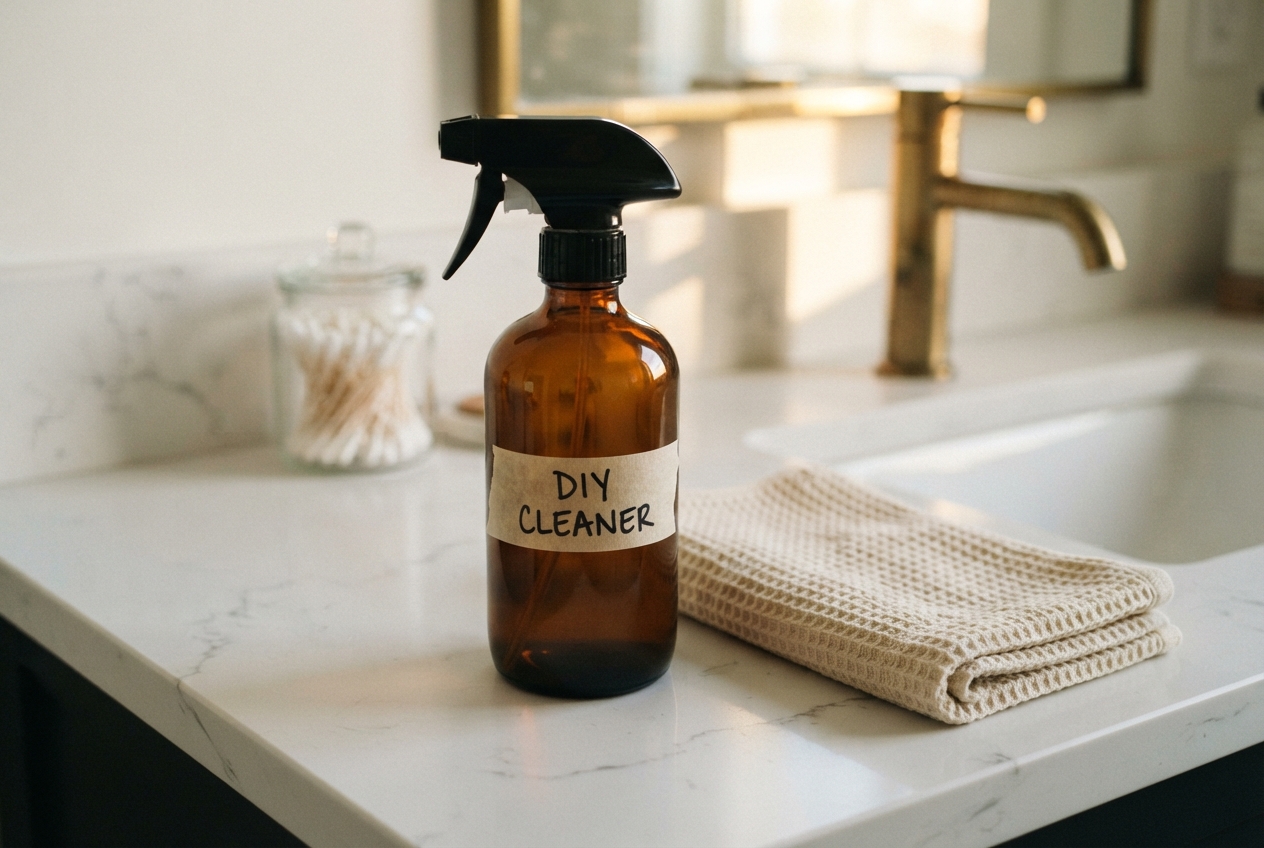
Vinegar and plant-based oils form a simple, safe spray for daily tile maintenance without harsh chemical fumes.
DIY Tea Tree and Vinegar Tile Maintenance Spray
Keep this simple, plant-friendly surface spray inside your vanity cabinet for quick mid-week checkups on prone tile spots.
- 1 cup distilled water
- 1 cup distilled white vinegar
- 12 drops tea tree essential oil
- 8 drops lemon essential oil
Combine ingredients in an amber glass spray bottle and shake gently before each use. Mist light coverage over shower walls, floor bases, and grout lines twice a week after showering, then wipe clean with a soft towel.
Keeping Your Home Fresh and Mystery-Free
Discovering an unusual jelly patch on your tile can certainly throw off your weekend, but it rarely signals a structural nightmare. Understanding how damp microclimates operate turns a moment of household panic into a simple maintenance checkup.
By keeping airflow moving, maintaining clean grout lines, and controlling steam buildup, you build a clean, resilient space while stopping slime mold in bathroom areas before it starts. Stay curious about your home’s subtle signals, keep your ventilation running bright, and enjoy the peace of mind that comes with a dry, fresh living space.