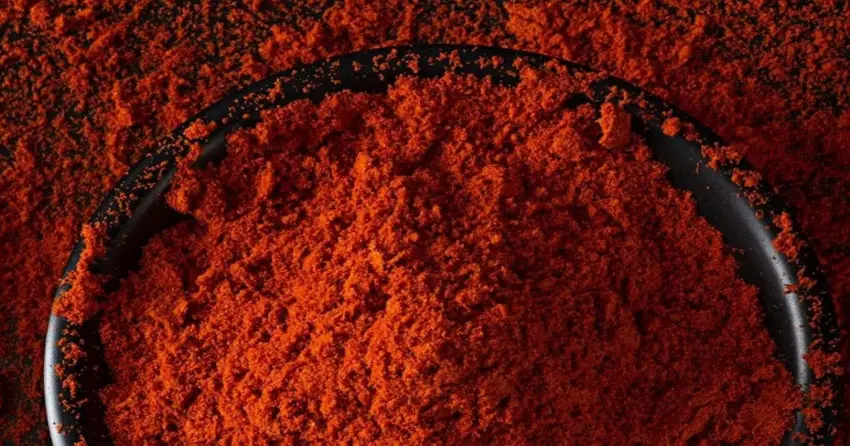
Open your spice drawer right now, and you will almost certainly spot a small tin of bright red powder sitting quietly between the garlic salt and the oregano. For generations, home cooks have shaken it across creamy potato salad, dusted it onto deviled eggs before potlucks, and stirred it into simmering stews to give plain broth a cozy reddish hue. Yet millions of home cooks recently experienced a collective moment of culinary shock online after discovering a simple truth: paprika does not come from an exotic root, a rare bark, or some mythical “paprika bush.”
What Is Paprika Made Of? (The Secret in Plain Sight)
To put it plainly: what is paprika made of comes down to one humble plant family. Paprika is made from dried, finely ground red peppers belonging to the botanical species Capsicum annuum. This is the exact same plant family that gives us everyday garden sweet bell peppers, sweet Italian frying peppers, pimientos, and mild chili peppers.
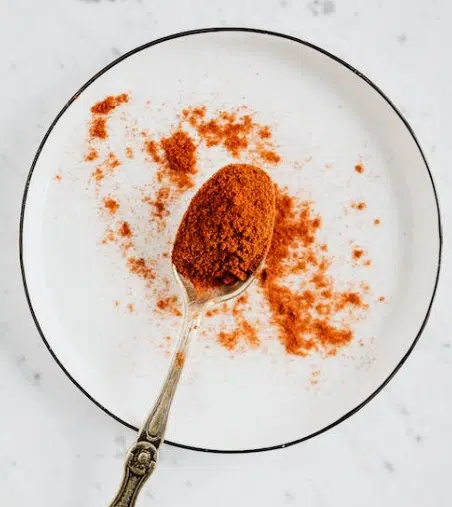
A vintage silver spoon displays the fine, velvety grind and rich color of sweet dried red peppers.
The bright red tins on grocery shelves are simply ripe, sweet, or mildly pungent peppers harvested at peak maturity, dehydrated until brittle, and milled into a velvety flour. When peppers hang on the vine until they turn from crisp green to deep crimson, their natural sugars peak while complex aromatic compounds develop. Once that water weight evaporates, you are left with concentrated pepper essence.
Every spoonful of pure paprika represents several fresh sweet peppers that were sun-ripened, completely cured of moisture, and ground down to their aromatic, ruby-red core.
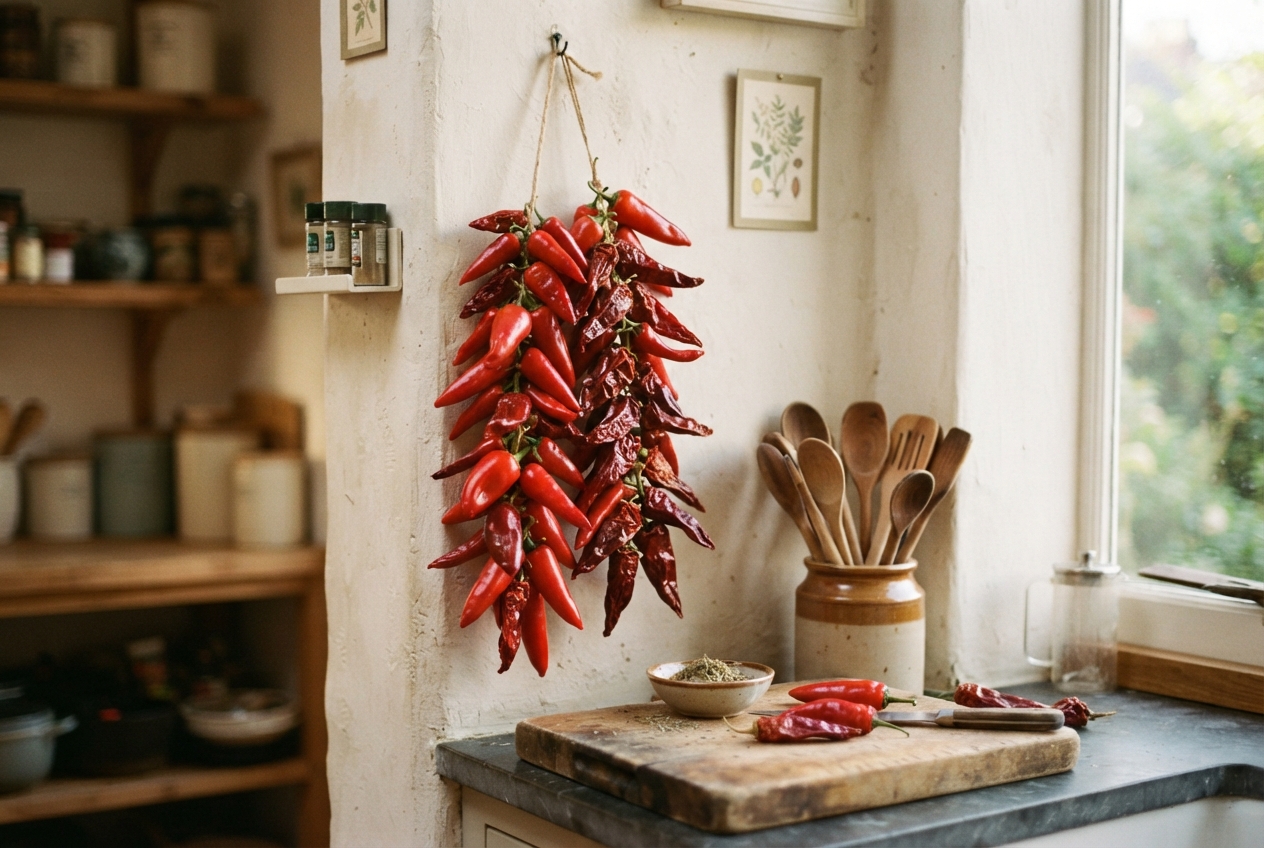
Ripe red peppers strung on kitchen twine dry naturally, concentrating their sugars before the grinding process.
The Pepper Family Tree: Which Varieties Become Paprika?
You might wonder whether commercial spice makers simply dehydrate standard grocery store bell peppers. While you can make a mild red powder from standard red bell peppers at home, traditional paprika relies on specific cultivars bred over centuries for thin walls, low water content, and intense skin pigments.
- Hungarian Varieties: Types like Szegedi and Kalocsai offer thick sweetness, subtle earthy depth, and a high concentration of natural sugars that caramelize gently during warm processing.
- Spanish Varieties: Cultivars like Bola (round and sweet) and Jaranda (longer with subtle spice) form the backbone of classic Iberian cooking.
- Pungent Cultivars: Certain regional strains incorporate small amounts of capsaicin-rich hot pepper varieties to give hot paprika its pleasant throat-warming kick.
The seeds and pale internal ribs hold the bulk of any pepper’s heat and pale fiber. To produce standard sweet paprika, processors remove the seeds and white membranes before grinding, ensuring a vibrant ruby tone and mild, fruity finish.
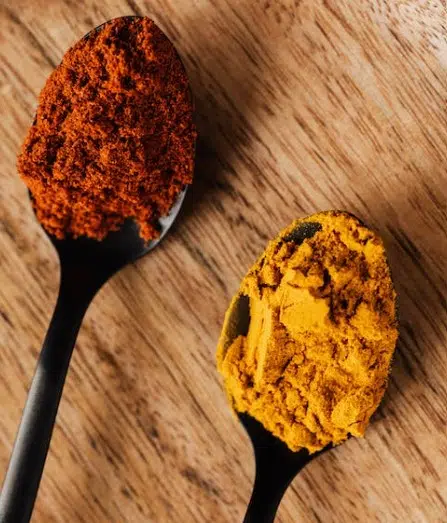
Ground paprika alongside golden turmeric showcases how single-ingredient whole spices create vibrant kitchen staples.
Sweet, Smoked, or Hot: Decoding the Three Styles
Grabbing the wrong red jar from your pantry can completely alter your dinner. Understanding the processing method behind each variation helps you pick the right balance of smoke, fruitiness, or fire.
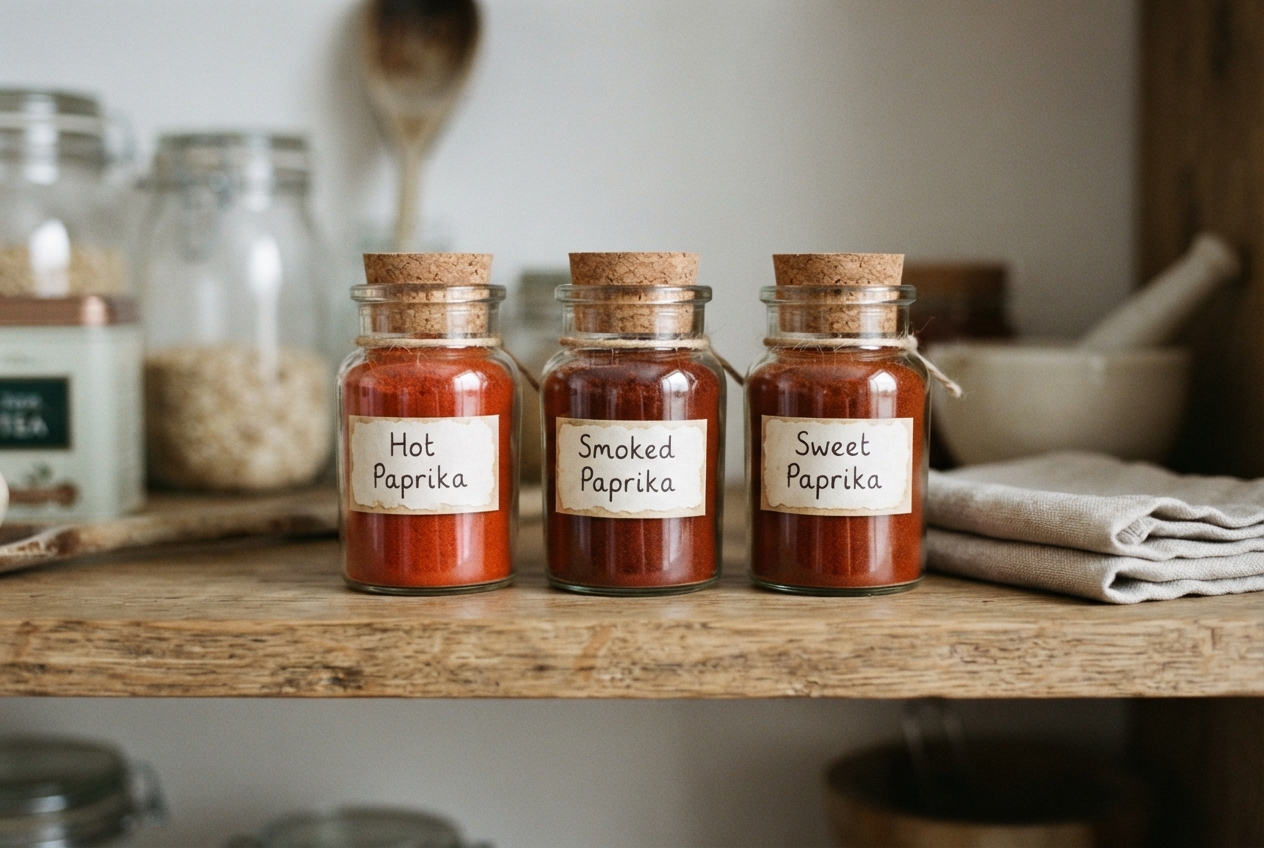
Sweet Hungarian, wood-smoked Spanish, and hot paprika each boast distinct shades and aromatic profiles.
1. Sweet Paprika (Hungarian Style)
This is standard pantry paprika. It carries a mellow, sunny aroma with rich notes of roasted red pepper and sun-dried fruit, completely devoid of mouth-burning heat. Hungarian cuisine classifies paprika into eight distinct quality grades, ranging from the delicate, bright red Különleges to the more robust Félédes (semi-sweet).
2. Smoked Paprika (Spanish Pimentón de La Vera)
If your tin smells like an autumn woodstove, you are holding Spanish pimentón. Farmers in the La Vera region of western Spain dry their harvested peppers inside multi-story smokehouses over slow-burning holm oak wood fires for ten to fifteen days. Workers turn the peppers by hand daily until the skins absorb the rich oak smoke before slow-milling on traditional stone wheels.
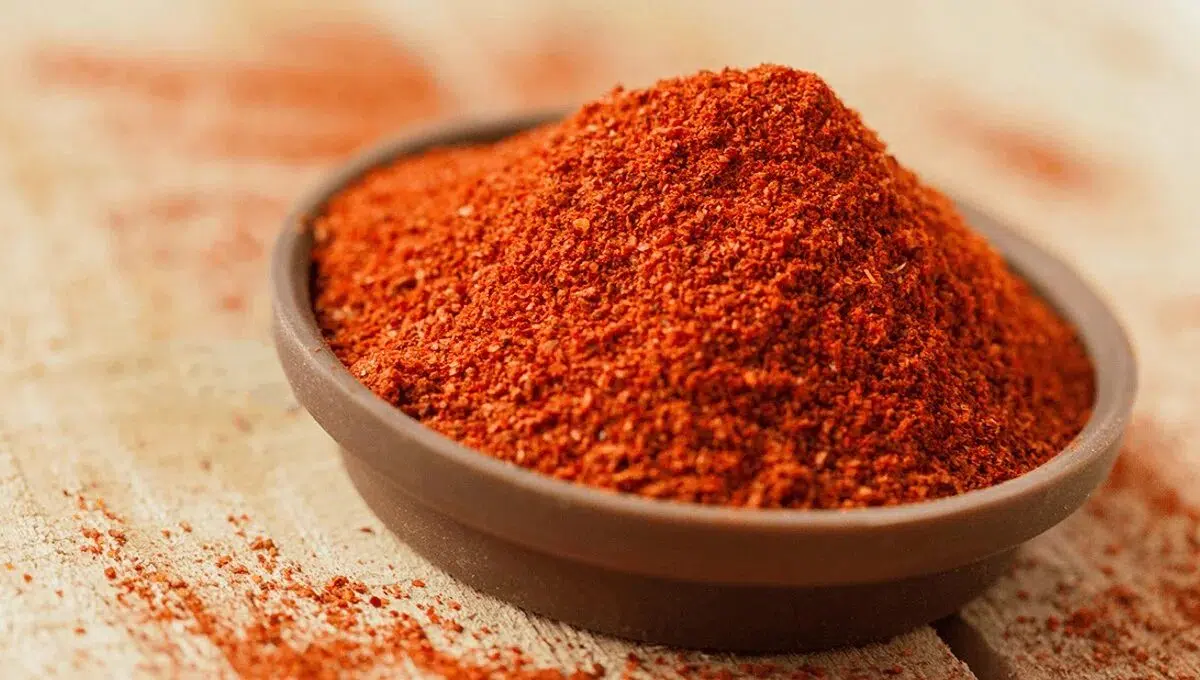
A terracotta dish filled with fresh paprika powder highlights the rich rust tone of properly cured sweet peppers.
3. Hot Paprika
Hot paprika includes spicy pepper varieties or processes the seeds and ribs alongside the pepper hulls. It delivers a steady, prickly warmth without masking the savory pepper sweetness underneath, making it a wonderful seasoning for braised chicken thighs and hearty potato soups.
The Great Cooking Mistake: Why You Must Bloom Your Paprika
The biggest tragedy in home cooking is using paprika merely as a decorative red garnish right before serving. Raw paprika sprinkled over cold food tastes dry, chalky, and faint. To bring out its true magic, you must understand its culinary chemistry.
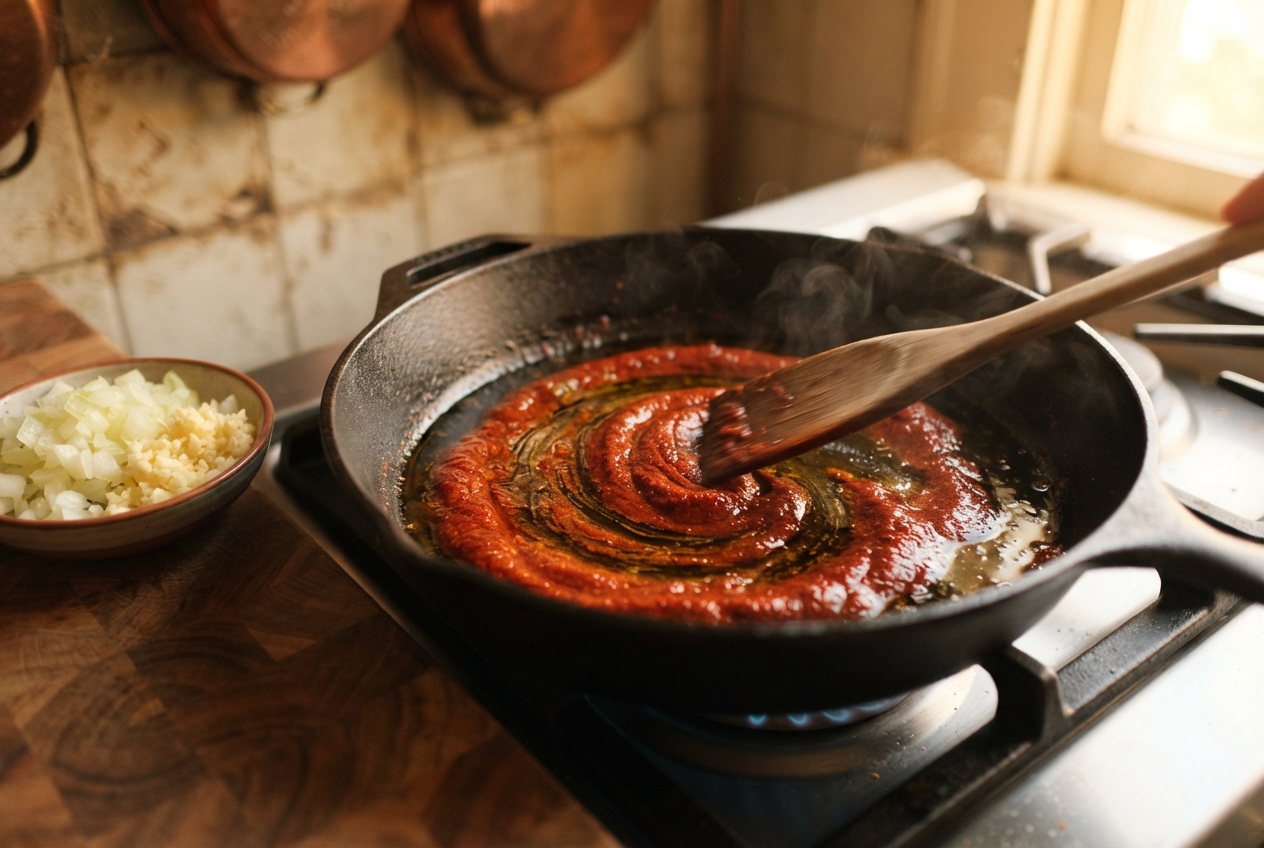
Blooming paprika in warm olive oil releases its fat-soluble flavor compounds and creates a deeply aromatic red base.
The flavorful pigments and aroma compounds in red peppers are fat-soluble (lipophilic). They do not dissolve in water or cold dressings. To unlock their richness, stir your paprika directly into warm fat—such as olive oil, melted butter, or rendered meat drippings—alongside your sautéed onions and garlic for thirty to forty-five seconds.
Keep a close eye on your skillet temperature. Because paprika contains high levels of natural fruit sugars, it scorches quickly over high heat. Burnt paprika turns a muddy brown color and takes on an astringent, bitter taste that ruins a pan sauce. Always remove your skillet from direct high heat or add your stock and diced tomatoes shortly after stirring the powder into the warm oil.
How to Make Fresh Paprika at Home
Making a batch of homemade ground pepper powder transforms garden gluts into an unforgettable artisan seasoning. You will need sweet red peppers, a sharp paring knife, a food dehydrator (or an oven with a low warm setting), and a clean spice mill.
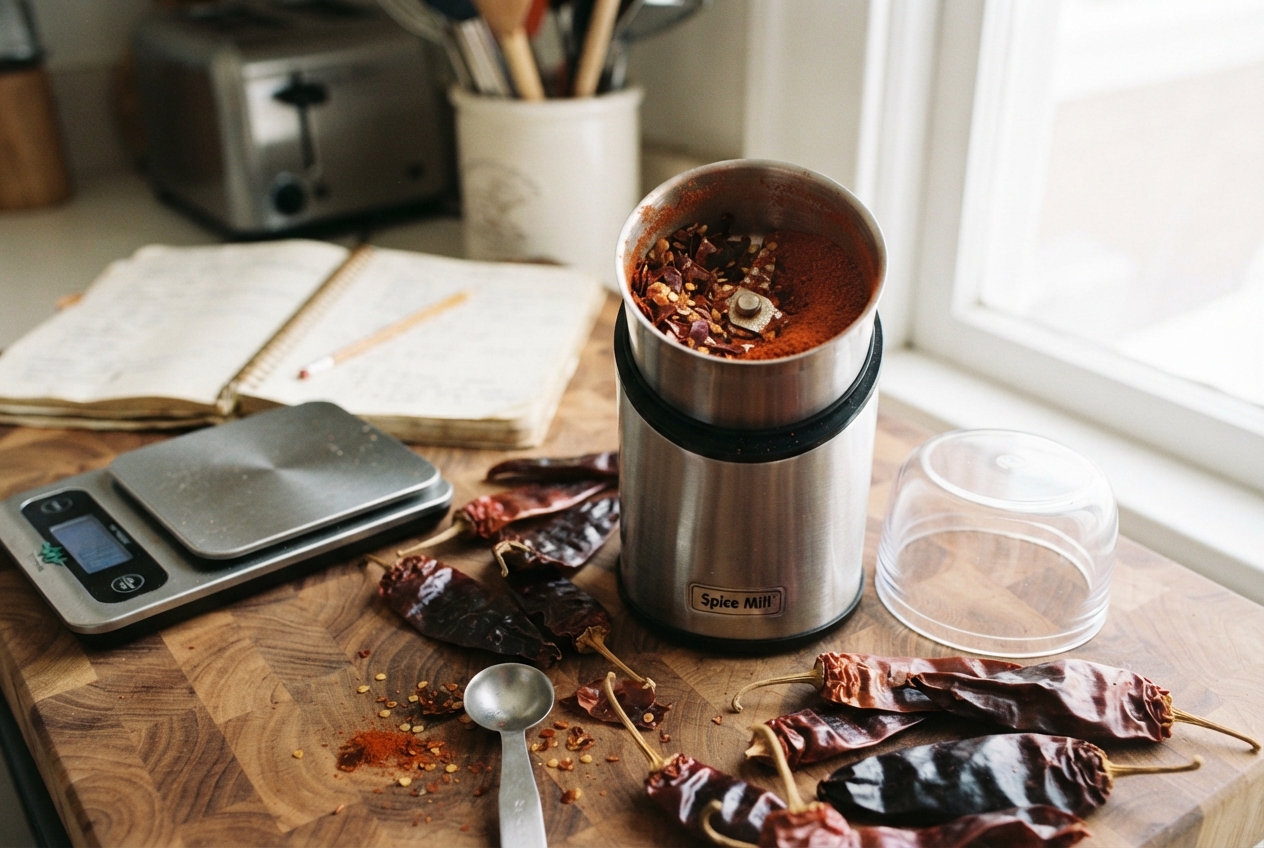
Grinding thoroughly dehydrated pepper hulls at home produces an intensely fragrant, unadulterated spice powder.
- 1. Prep and Clean: Wash ripe, firm red sweet peppers. Slice off the stems, cut the peppers open lengthwise, and scrape away every trace of white inner pith and seeds.
- 2. Slice Thinly: Cut the pepper flesh into uniform half-inch ribbons to ensure even drying times across the batch.
- 3. Dehydrate: Arrange the strips across dehydrator trays in a single layer without overlapping. Dry at 125°F (52°C) for eight to twelve hours until the pieces snap like crackers when bent. If using an oven, set it to its lowest temperature (around 140°F to 150°F) with the door propped slightly open with a wooden spoon handle.
- 4. Mill to Powder: Let the dried shards cool completely to room temperature. Transfer them in small batches to an electric spice grinder or high-speed coffee grinder reserved for spices. Pulse continuously until you reach a fine, silky grind.
- 5. Sift and Store: Pour the ground powder through a fine-mesh sieve to catch any stubborn flecks, then funnel your fresh homemade spice into an airtight glass jar.
Keeping Your Spice Rack Fresh: Storage and Shelf Life
Ground spices do not spoil in a way that causes foodborne illness, but they lose their essential aromatic oils and vibrant color when exposed to light, heat, and oxygen. A tin that has sat above your warm stovetop for three years will taste more like dusty cardboard than sweet harvest peppers.
Store your ground jars in a dark pantry, a pull-out drawer, or a cool cupboard tucked well away from the direct steam of your tea kettle and range. When kept in an airtight container away from light, ground sweet peppers stay wonderfully fresh for six to eight months. If your red powder starts looking pale brownish-orange and loses its sweet, fruity perfume when rubbed between your fingertips, it is time to refresh your supply.
Bright Flavor from Simple Roots
Discovering that this beloved pantry staple comes straight from common garden peppers makes home cooking feel refreshingly approachable. There is no rare secret or faraway mystery behind what is paprika made of—just honest, sun-ripened red peppers cured with care, ground with patience, and awakened with a splash of warm olive oil in your favorite skillet. Keep a fresh jar close at hand, bloom it gently in your base ingredients, and let this everyday garden harvest bring savory warmth to your table.