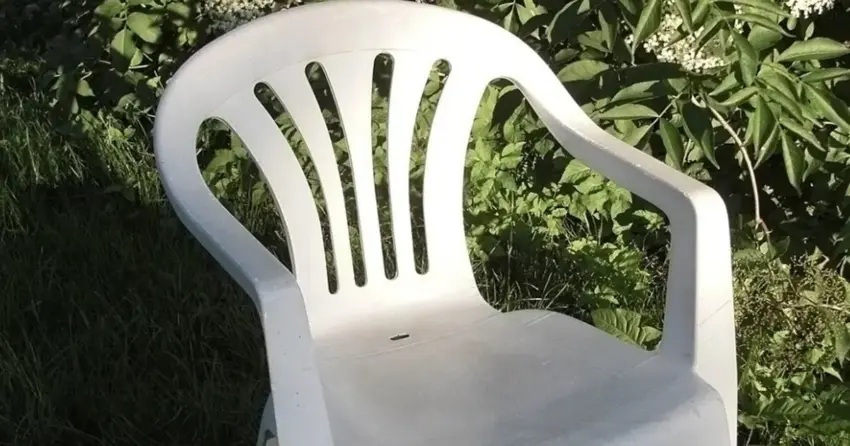
Why Plastic Chairs Have That Hole in the Seat
I used to think the little circle in the middle of every cheap plastic chair was a leftover from the mold. Something the factory forgot to fill. Then I tried to unstack a dozen of them after a backyard party. The top chair wouldn’t budge. It sucked onto the one below it like two wet plates. I pulled harder. The whole pile leaned. That’s when the hole stopped looking like a mistake.
Those chairs live on patios, in garages, and under eaves. They get rained on, stacked six high, and dragged across concrete. The hole is the cheapest piece of engineering on the whole chair, and it does more than one job. Once you notice it, you start using it on purpose.
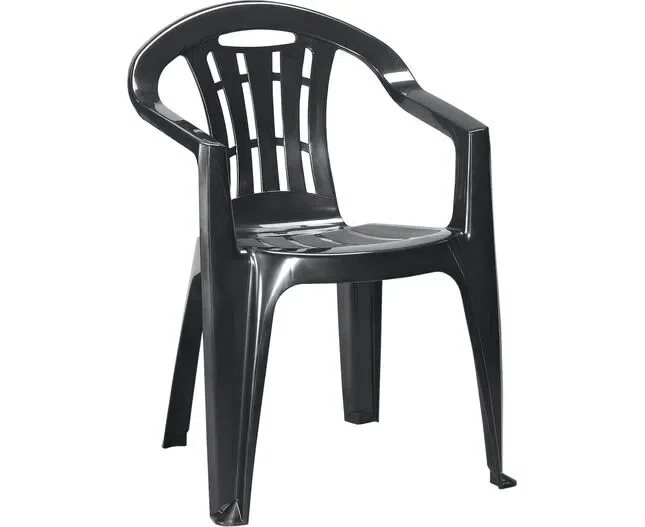
A classic black resin armchair still uses the same seat hole that keeps stacked chairs from locking together like wet plates.
It Breaks the Vacuum So You Can Actually Unstack Them
Smooth plastic seats pressed together create a seal. Warm air cools, pressure drops, and the chairs lock. The hole lets air rush back in the second you lift. You hear a tiny pop. The chair comes free.
Without it you’d need to pry the rim or tap the legs. I’ve watched people do both at church potlucks and rental warehouses. The hole is the difference between a two-second lift and a wrestling match.
Same hole works as a finger grip when you’re carrying one chair across the yard. Slide two fingers through, tilt, and walk. No pinching the thin armrests until they creak.
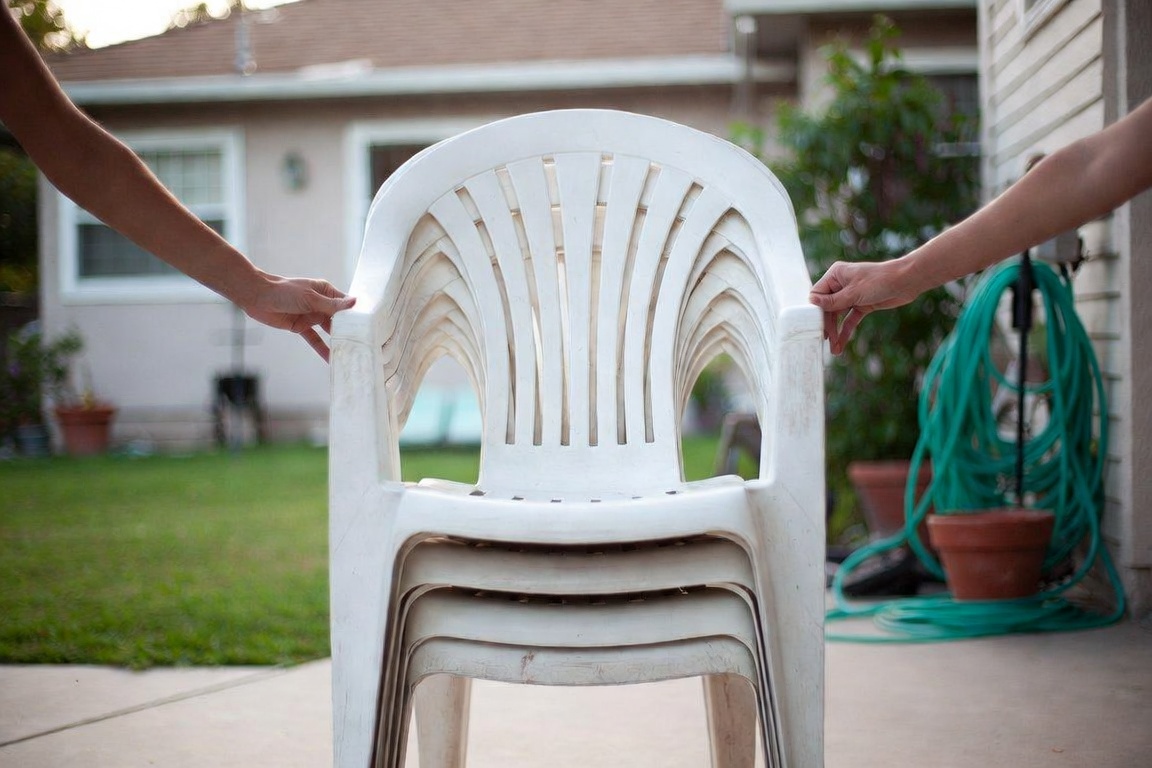
Lift one chair and you can hear the little pop of air rushing through the hole—no more fighting a vacuum seal.
How High Can You Stack Before It Gets Risky?
Most resin chairs are rated for four to six high if the holes line up and the legs nest. Go higher and the bottom chair starts to bow. I keep a stack of five against the garage wall. Any more and I use a second pile. The hole alignment keeps the stack from twisting when you bump it with a rake.
Water Has Somewhere to Go After Rain or a Hose-Down
Leave a solid-seat chair outside overnight and you get a shallow puddle. Sit down and your shorts stay damp for an hour. The hole turns the seat into a drain. Rainwater, hose water, even melted snow runs through instead of sitting there.
I learned this the hard way after a spring storm. The white chairs dried while the old wooden bench stayed soaked. Ten minutes later I could sit without a towel.
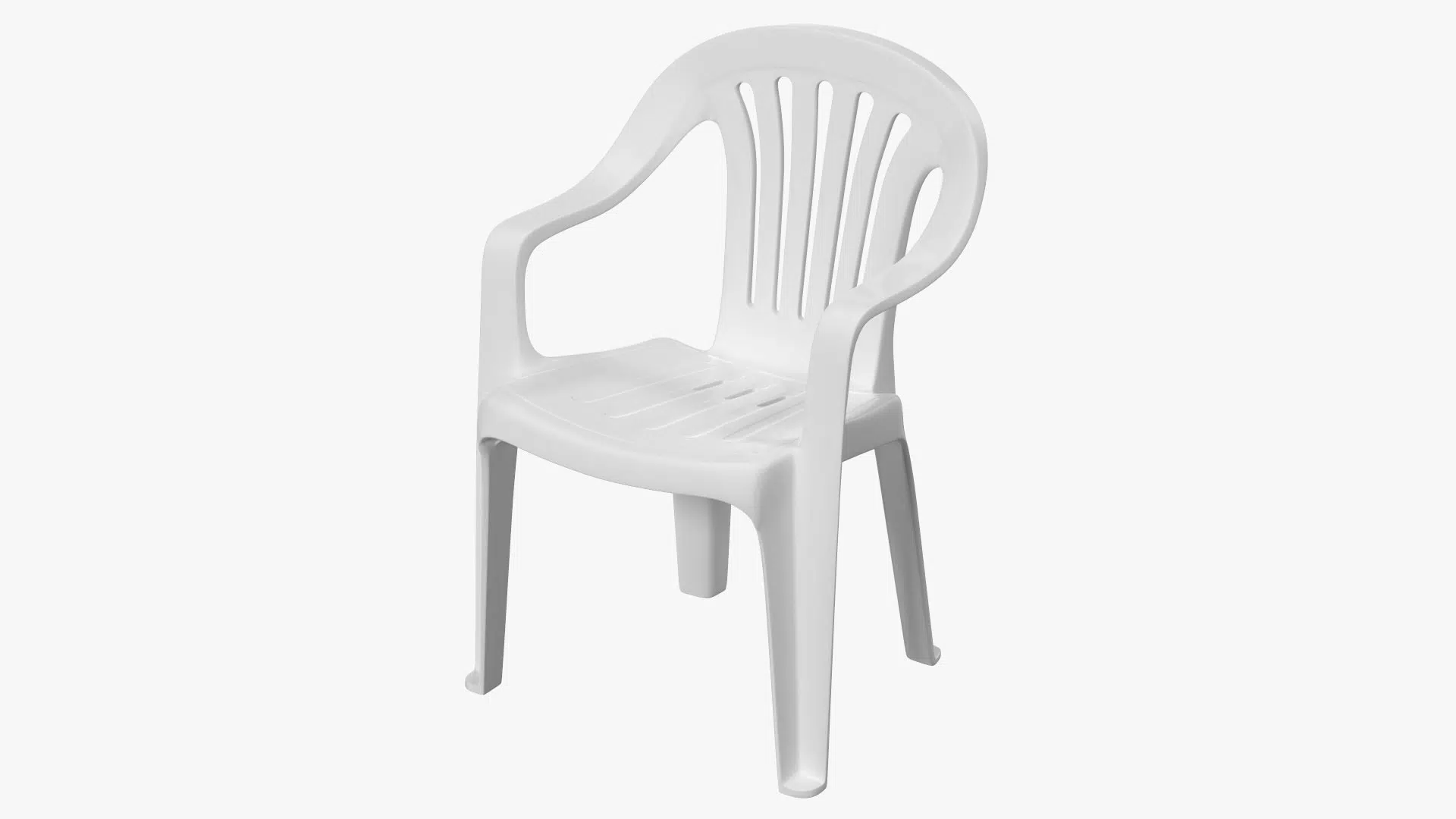
White garden chairs dry faster after a storm because water has somewhere to go instead of pooling on the seat.
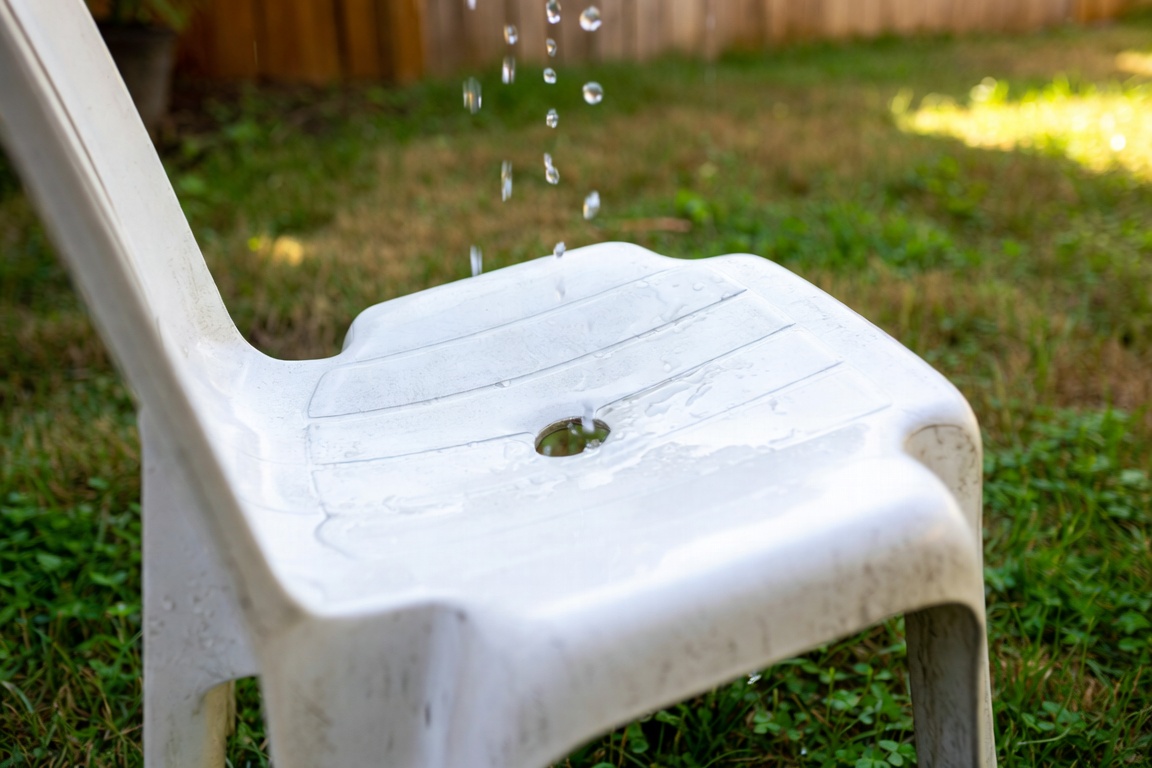
That unassuming hole turns a rain-soaked seat into something you can sit on ten minutes later.
Same trick helps when you wash them. A bucket of soapy water, a sponge, and the hole does the rest. No tipping the chair on its side to dump the last cup of dirty water.
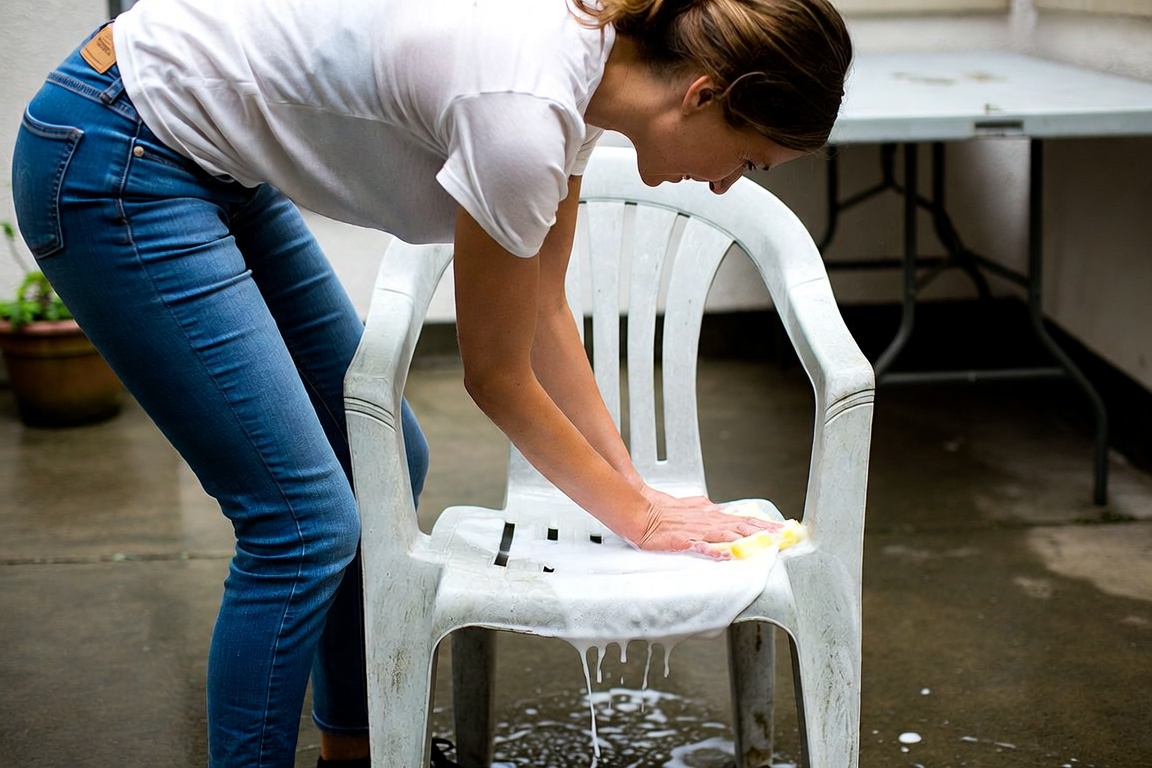
A quick hose-and-wipe job finishes faster when water isn’t trapped in the seat.
The Factory Reason You Rarely Hear About
Injection-molded chairs start as hot plastic shot into a steel mold. The thickest part is the center of the seat. That extra mass cools last. A hole there means less plastic to cool and less chance of a sink mark or warp. Manufacturers also save a few grams per chair. Multiply that by a million units and the savings add up.
Cheaper chairs sometimes crack around that same hole after two or three summers of UV and freeze-thaw. Look for chairs with a slightly thicker rim around the opening. That little ring of extra plastic is what keeps the hole from becoming a tear.
What to Check When You Buy Replacements
Run your thumb around the hole. If the plastic feels paper-thin, skip it. A good chair has a smooth, even wall. Color-through resin (not painted) hides scratches better. Weight matters too—too light and the legs flex when you sit.
A Few Extra Uses Once You Start Looking
The hole is the right size for a short bungee or a zip tie if you need to lash two chairs together for transport. I’ve hung a chair from a shed hook by looping a piece of rope through the hole while I swept underneath. Not elegant, but it works for five minutes.
Kids discover it first. Fingers go in, sticks go in, the occasional acorn. I keep a small brush in the garage for poking debris out before stacking. Takes ten seconds and stops the next chair from sitting crooked.
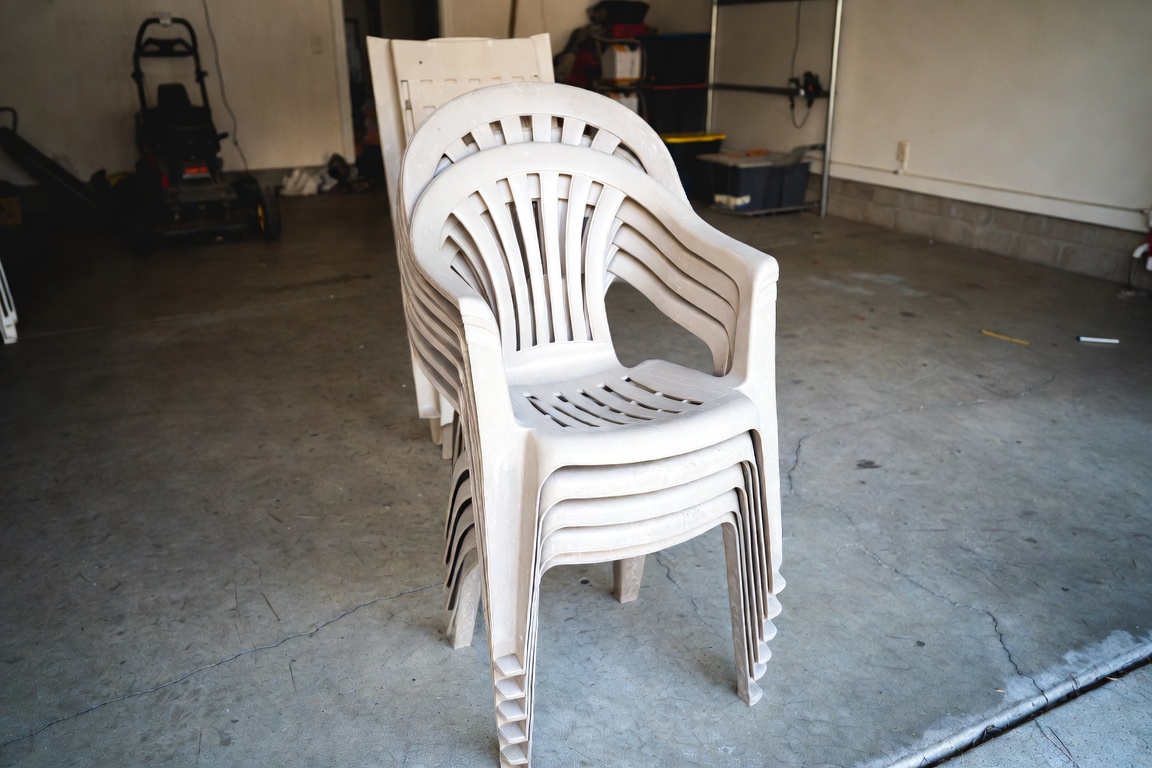
Line the holes up and the stack stays stable instead of becoming a leaning tower.
Keeping Plastic Chairs From Looking Tired
UV turns white chairs chalky. A light wash with dish soap and a rinse through the hole is usually enough. Once a year I wipe them with a plastic restorer made for outdoor furniture. The hole lets leftover product drain instead of leaving a sticky ring.
Store them out of direct sun when you can. Even a cheap tarp over the stack adds years. If a chair does crack at the hole, it’s usually time to recycle the set rather than glue it. The repair never looks right and the structural strength is already gone.
Next time you grab a plastic chair for the patio, glance at that circle. It’s not decoration. It’s the reason the stack comes apart, the seat dries, and the chair stays light enough to carry with one hand. Small detail. Big difference on a Saturday afternoon when the cousins show up and you need seating in a hurry.