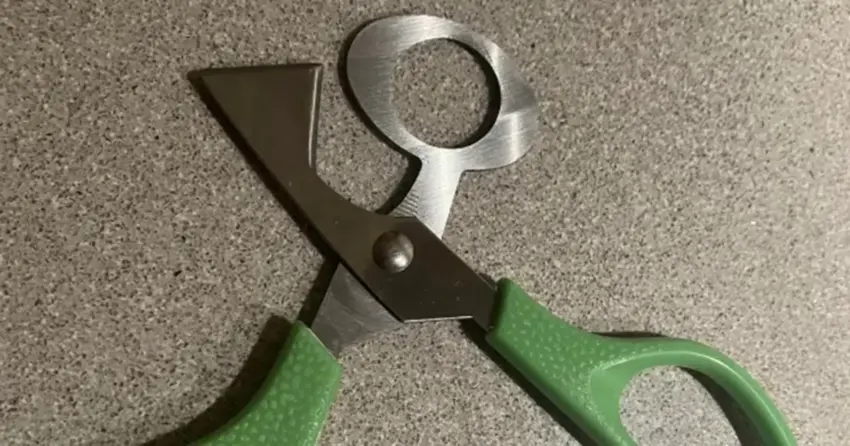
You rummage through the utility drawer of a vacation rental or your grandmother’s kitchen looking for a bottle opener, and your fingers close around something bizarre. It looks like a standard pair of shears at first glance, but the blades make zero sense. One side features an oval ring with tiny serrated ridges; the other has a sharp, angled wedge. You test it on a piece of paper or a bag of chips, and it fails to cut entirely. Instead, it leaves an awkward, mangled crease.
That confusing gadget is a pair of quail egg scissors. While it looks like a puzzling riddle out of context, it solves one of the most frustrating, messy challenges in home cooking: getting inside a tiny speckled egg without turning the shell into gravel.
What Are Quail Egg Scissors and Why Do They Exist?
Unlike standard kitchen shears designed to slice through poultry bones or snip woody rosemary stems, quail egg scissors perform a single task. The design relies on two complementary arms. One arm holds an open metal ring sized to slip over the narrow end of a quail egg. The opposing arm carries a sharp, triangular guillotine blade that shears cleanly across that circular opening when you squeeze the handles together.
If you have ever spotted one of these tools circulating on social media forums or sitting in a thrift store bin, you are not alone in your initial confusion. Kitchen drawers around the world are full of them, often abandoned by past renters or home cooks who never received an explanation.
Strange scissors found in kitchen drawer found in Spanish airbnb
by
u/gatinjesok in
whatisthisthing
The tool exists because traditional cracking methods simply fail when applied to miniature speckled eggs. Tap one against the lip of a stainless steel mixing bowl, and you quickly realize that miniature poultry eggs follow an entirely different set of rules than ordinary chicken eggs.
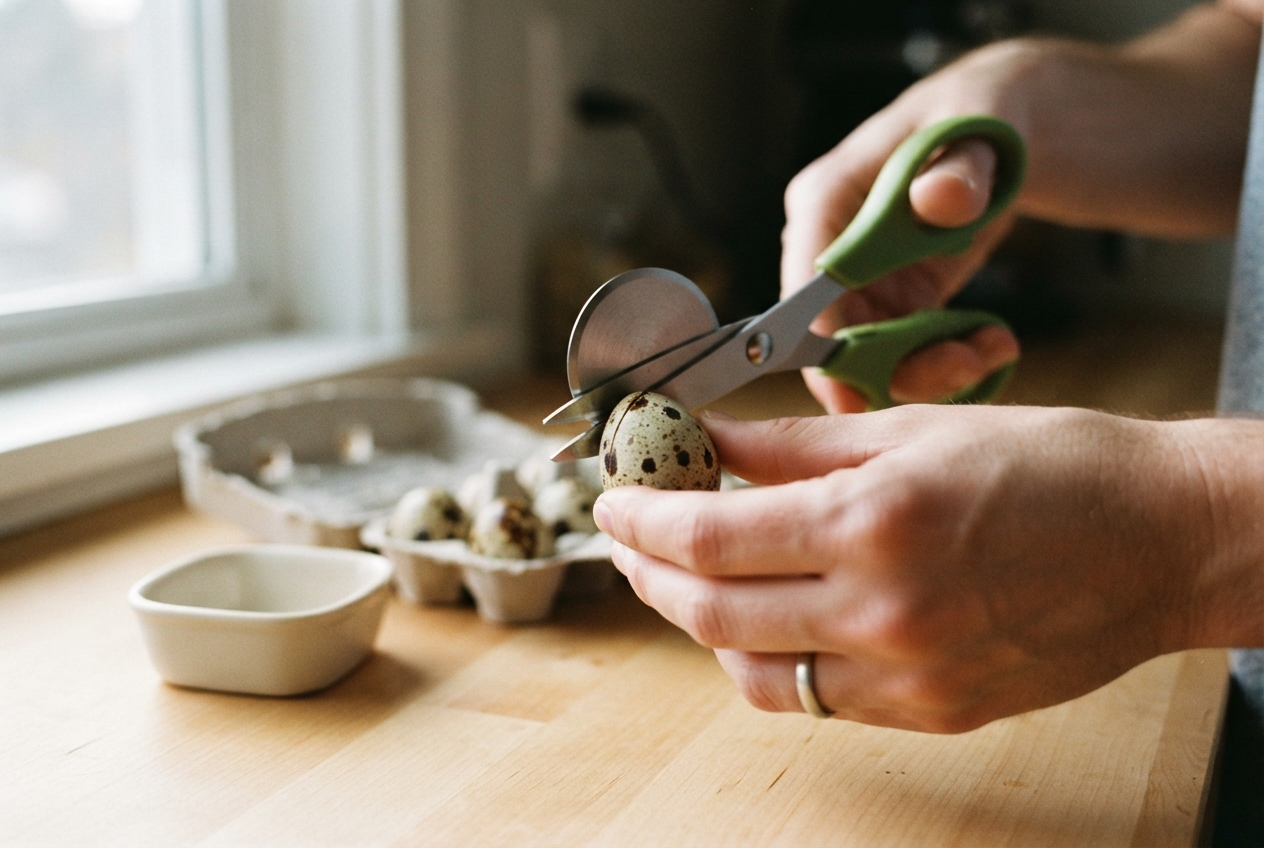
The scissor blades encircle the narrow end of the egg, slicing cleanly through both shell and membrane with a single gentle squeeze.
The Hidden Anatomy: Why Quail Eggs Defy Standard Cracking
To understand why this specialized tool holds a permanent spot in so many international kitchens, look closely at the physical structure of a quail egg. The speckled outer shell feels paper-thin, almost fragile to the touch. Yet beneath that delicate shell lies an inner membrane that is astonishingly tough, stretchy, and leathery.

Delicate yet notoriously tough to crack by hand, speckled quail eggs feature a brittle outer shell backed by a surprisingly resilient inner membrane.
When you strike a quail egg against a flat countertop, the brittle calcium shell shatters instantly into dozens of tiny flakes. However, that stubborn inner membrane refuses to yield. If you try to pry the split open with your thumbs, the membrane stretches, your fingers slip inward, and you puncture the fragile yolk while driving sharp shell shards directly into the albumen.
The inner membrane of a quail egg acts like reinforced parchment. Smacking it harder only crushes the shell; you must cleanly sever the lining to get the yolk out whole.
This is where quail egg scissors do their work. The serrated ring grips the slippery speckled shell securely in place, preventing it from skidding. As you compress the handles, the guillotine blade punches through both the brittle shell and the rubbery membrane simultaneously, lifting the top off like a tiny lid.
How to Use Quail Egg Scissors Without Damaging the Yolk
Using the tool takes only a few seconds, but following a consistent technique ensures you never clip the yolk underneath. A rushed cut or an awkward grip can turn a pristine breakfast prep into a yellow mess.
- Orient the egg correctly: Hold the quail egg upright with your non-dominant hand, keeping the pointed, narrower end facing upward.
- Seat the ring at the top third: Slip the circular opening of the shears over the top point of the egg. Lower the ring until it rests roughly a quarter to a third of the way down from the top point. Cutting too low risks slicing into the yolk.
- Snip with steady conviction: Squeeze the handles in one quick, decisive motion. Do not hesitate midway through the cut, as slow pressure can pinch rather than shear the membrane.
- Tilt and pour: Lift the severed shell cap away and tip the remaining shell over your skillet or prep ramekin. The yolk and whites will slide out smoothly.
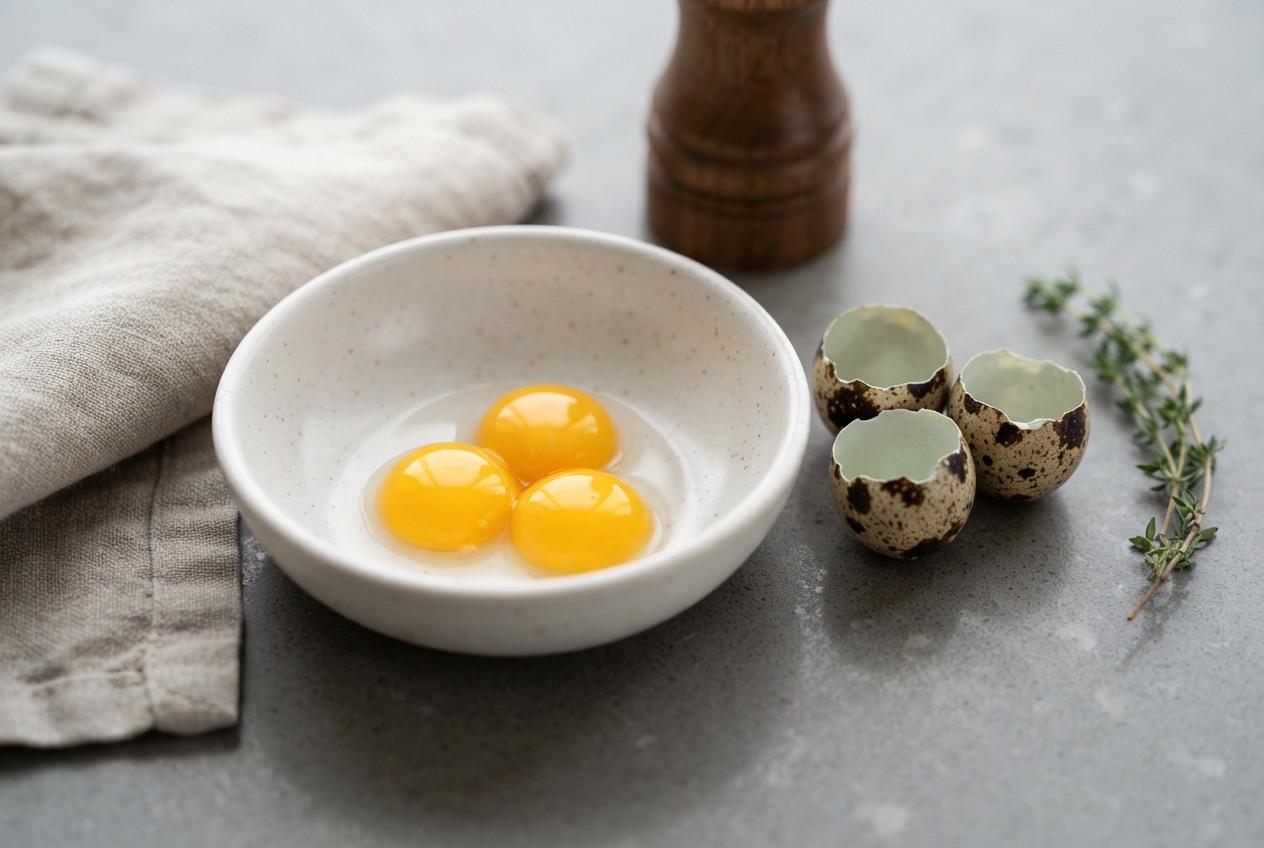
A clean cut leaves the shell edges crisp and keeps the fragile yolks whole, avoiding crumbly fragments in your dish.
Always pour raw eggs into a small white ramekin first before tipping them into a hot pan or batter. That extra step lets you inspect the yolk and easily lift out any rogue speck of shell before it hits your cooking surface.
Simple Ways to Cook With Quail Eggs at Home
Many home cooks assume quail eggs belong solely in Michelin-starred dining rooms or specialized tapas counters. In reality, they are accessible, nutrient-dense ingredients that bring instant visual charm and rich flavor to casual weekday meals. Their yolk-to-white ratio is noticeably higher than that of chicken eggs, yielding a richer, creamier mouthfeel in every bite.
A quick batch of micro-sunny-side-up eggs transforms simple breakfast toast. Spread ripe avocado, coarse sea salt, and fresh microgreens over toasted sourdough, then slide three fried quail eggs across the top. The tiny golden yolks run over the bread without overwhelming the plate with egg white.
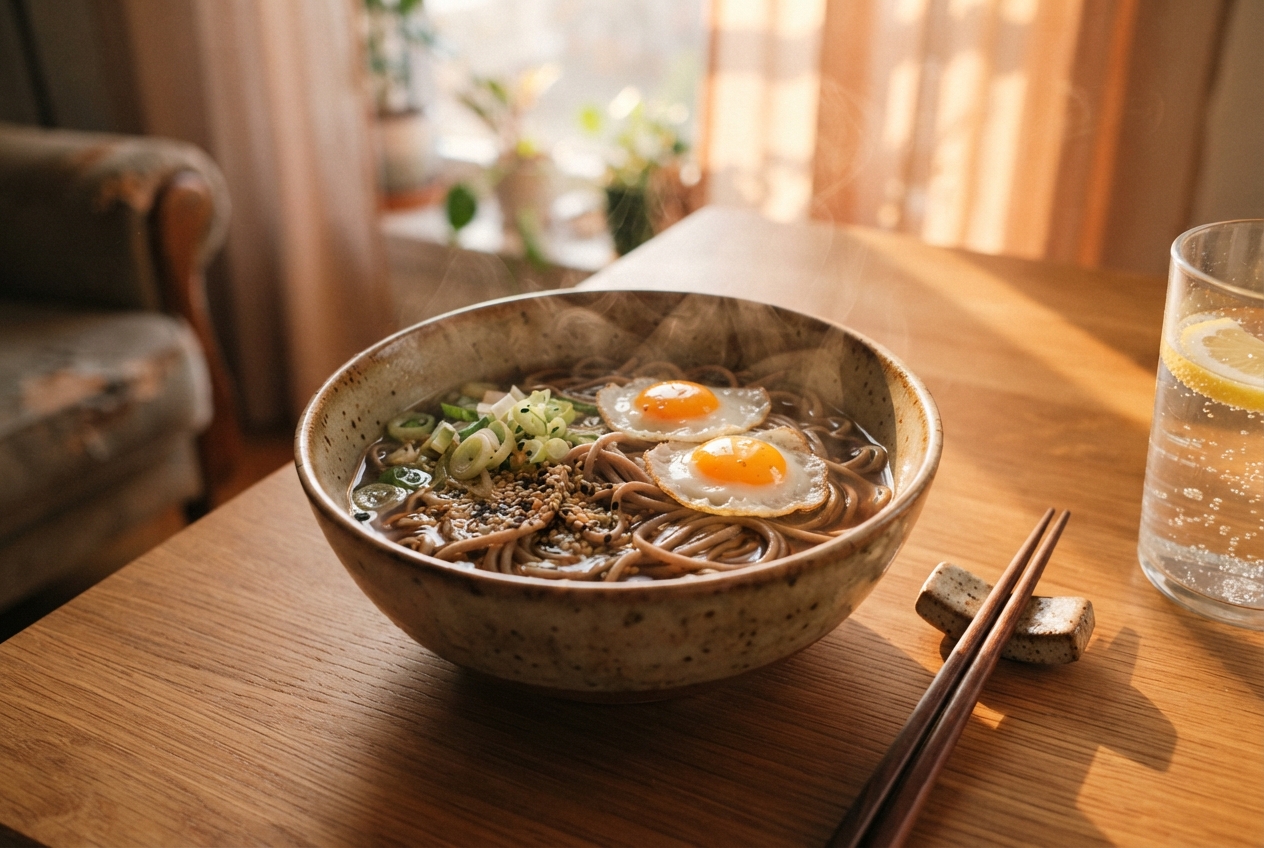
Tiny fried quail eggs make a satisfying, visually striking topping for quick grain bowls, broths, and noodle dishes.
Noodle soups also benefit from a quick addition. Crack a raw quail egg straight into a steaming bowl of ginger scallion broth or fresh udon just before serving. The residual steam gently poaches the delicate white while keeping the yolk silky and runny. For school lunches or afternoon snacks, hard-boil a carton for two minutes, plunge them into an ice bath, and marinate them in low-sodium tamari, grated ginger, and toasted sesame oil.
Paring Knives vs. Quail Egg Scissors: Is the Gadget Worth It?
If you only prepare a single quail egg once every two years, buying a dedicated cutter might seem unnecessary. A small, razor-sharp paring knife or a finely serrated tomato knife can saw through the outer shell if you work slowly, supporting the egg against a cutting board while scoring a shallow groove around the crown.
However, that manual sawing process demands intense patience. Slip once, and you slice your thumb or rupture the yolk. Furthermore, when a recipe calls for a dozen or more eggs, sawing each one individually turns a quick meal into an exhausting chore. A reliable pair of shears reduces that prep time from fifteen stressful minutes down to ninety seconds flat.
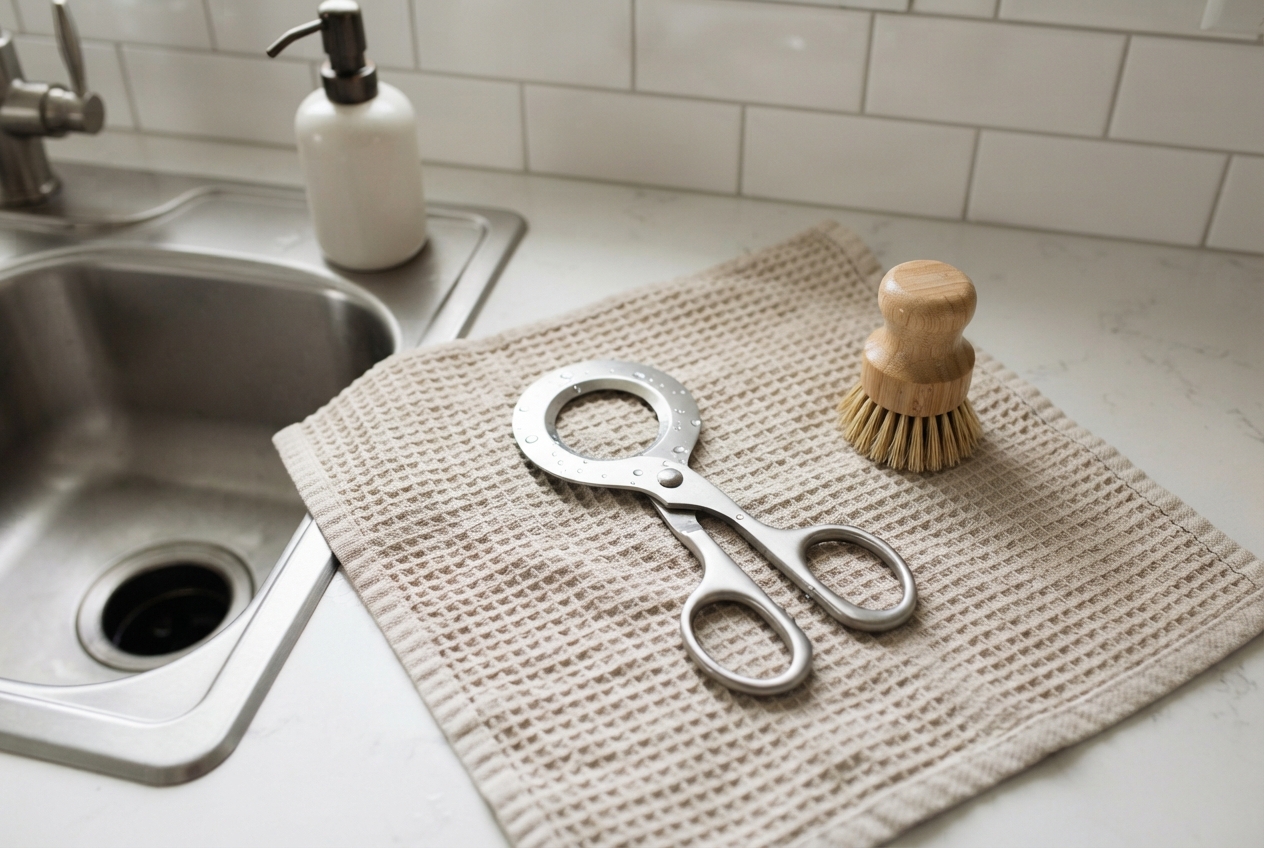
Rinsing the scissor pivot immediately after prep prevents raw egg proteins from drying and sticking inside the hinge.
Cleaning, Care, and Choosing a Quality Pair
Because these shears come into direct contact with raw albumen and yolk, cleaning them requires a little extra attention. Raw egg proteins easily settle into the tiny crevices of the serrated ring and around the center pivot rivet, where they can dry into a stubborn, unsanitary film.
- Rinse immediately: Run the cutting head under cold tap water the moment you finish cracking your eggs. Hot water can cook the proteins, cementing them to the metal.
- Scrub the pivot: Use a soft-bristled dish brush and mild dish soap to work around the rivet and serrations.
- Dry thoroughly before storing: Shake off excess moisture and dry the blades with a clean kitchen towel to prevent water spots and rust.
When shopping for a set, look for food-grade stainless steel blades rather than chrome-plated iron alloys, which tend to pit or corrode after repeated washings. Sturdy ABS plastic or rubberized grip handles provide the leverage and comfort needed to power through two dozen shells without tiring your hand.
Giving Purpose to That Mystery Kitchen Drawer Gadget
A clutter-free kitchen relies on versatile tools that pull double duty, but a few single-task implements genuinely justify their space. When a culinary task involves brittle mineral shells and leathery membranes, brute force simply creates a mess. Having a trusty pair of quail egg scissors tucked alongside your peelers and graters transforms a notoriously finicky ingredient into an easy, mess-free everyday pleasure.