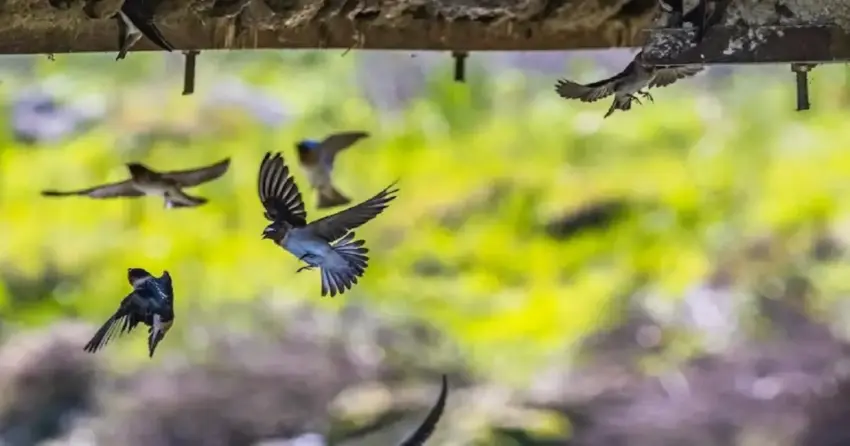
Step outside on a quiet, thick-aired summer afternoon, and you can smell the ozone brewing miles away. The air feels heavy on your forearms, the wind chimes fall dead quiet, and suddenly, three sleek barn swallows slice across your lawn, practically combing the top of the crabgrass with their wingtips. If you grew up around gardeners or farmers, someone likely told you to run out and secure the porch cushions because rain was twenty minutes away. When birds fly low, nature is ringing a loud, unmistakable chime.
Most people brush this off as a folksy grandmother’s tale, right up there with aching knees and woolly bear caterpillars. Yet watching wild birds drop their flight ceiling remains one of the sharpest, most accurate barometers you can observe from your back patio. Understanding why birds fly low before rain connects practical biology, fluid dynamics, and smart backyard prep in a way your weather app simply cannot match.
The Physics of Thin Air: How Air Pressure Drops Flatten Flight Paths
To understand why our feathered neighbors abandon the open sky, look at the atmosphere through their wings. Birds are remarkable biological gliders. Their bodies are built to maximize lift with minimal metabolic burn, relying on dense, stable pockets of air to carry them effortlessly. When a low-pressure system rolls into your valley or neighborhood, the atmospheric weight pressing down on the earth drops precipitously.
Warm, moisture-laden air rises, creating an area of lower density right where birds usually prefer to soar. Flapping through thinner air demands substantially more energy. Every flap produces slightly less lift, turning a breezy commute into a grueling workout. By dropping their flight altitude down to within a few yards of the ground, birds take advantage of ground effect—an aerodynamic cushion where air compressed against the soil creates a denser cushion of lift.
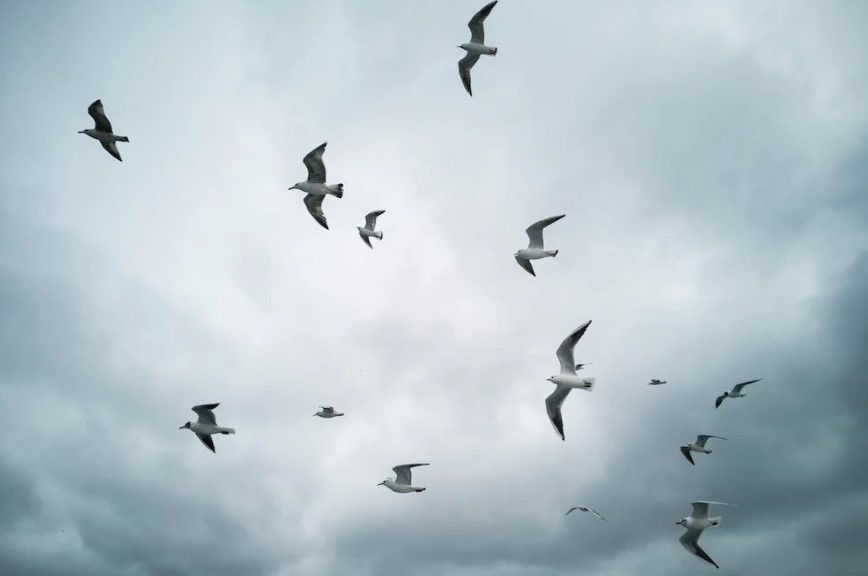
Gulls circling low against an overcast, slate-gray sky as barometric pressure begins its downward slide.
There is also an ear-popping physical discomfort involved. Birds possess a specialized sensory cavity in their middle ear known as the Vitali organ, or paratympanic organ. This microscopic fluid-filled chamber functions like an ultra-sensitive internal barometer. When barometric pressure plunges rapidly ahead of an approaching squall line, high-altitude flight can cause swift pressure differentials inside their heads, prompting them to descend where the ambient pressure remains somewhat higher and more stable.
Chasing the Swarm: The Moisture-Heavy World of Pre-Storm Insects
While flight mechanics explain how birds travel, food explains why they stay active when gray clouds gather. Swallows, swifts, martins, and nighthawks do not eat grain or sunflower seeds from wooden feeders; they are obligate aerial insectivores. They eat on the wing, carving through invisible buffets suspended in the air. When you see them skimming lawns, lakes, and neighborhood driveways, they are simply following dinner.
Insects react dramatically to rising relative humidity. Gnats, mosquitoes, midges, and small flying beetles have tiny bodies with massive surface-area-to-weight ratios. As the air approaches saturation ahead of a storm, microscopic water droplets collect on their wings and antennae, weighing them down. Compounding this, falling air pressure robs insects of the buoyant thermal updrafts they normally ride upward into the tree canopies.
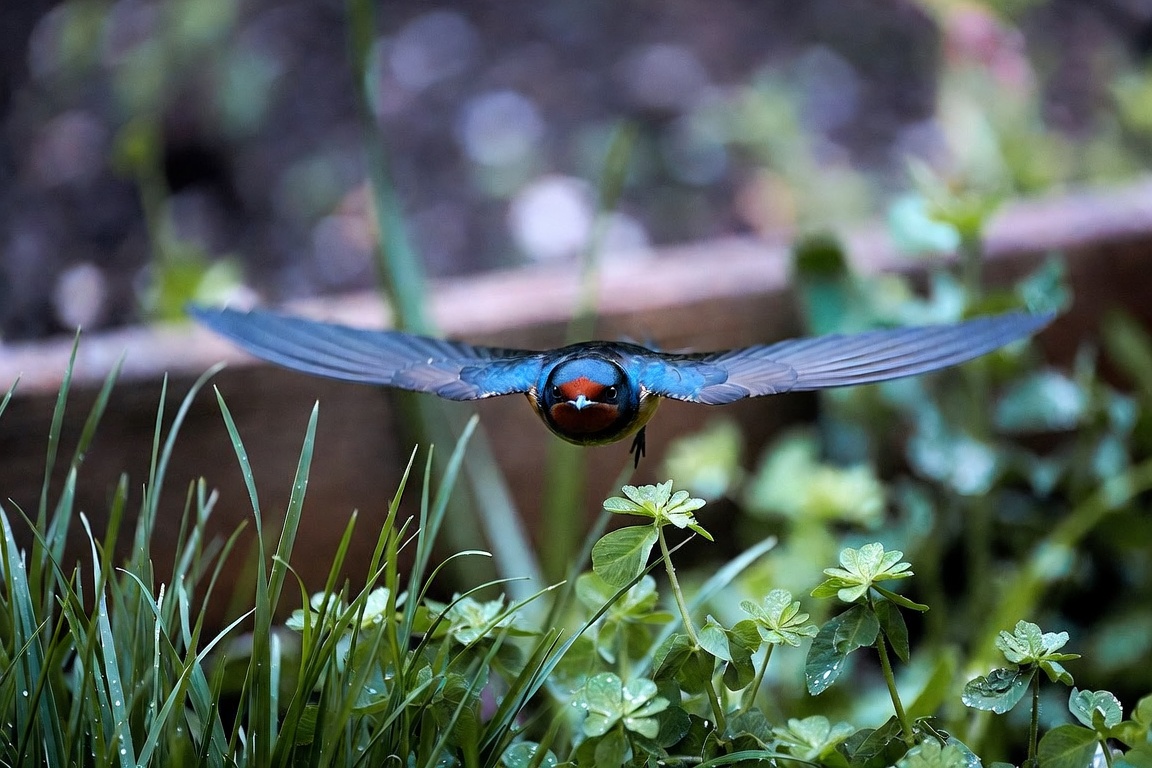
A barn swallow hunting low over damp backyard lawn clover right before an afternoon summer storm.
Ground air currents also create a pocket of calm just above lawns, damp pastures, and water surfaces. Insects tumble into this boundary layer to seek shelter among damp blades of grass and low shrubs. Swallows read this migration instantly. Rather than fighting turbulence hundreds of feet up, they stay low, scooping up hundreds of sluggish, moisture-heavy bugs in sweeping, acrobatic passes.
Key Low-Flying Species to Watch Around Your Yard
Not every bird shifts its flight plan when clouds build. Woodpeckers stick to tree bark, and mourning doves will huddle on utility lines looking stoic and soggy. If you want to forecast an incoming storm with your own eyes, pay attention to these specific flyers:
- Barn Swallows and Tree Swallows: Look for deeply forked tails and metallic blue backs banking sharply two feet off the grass. If they are skimming close enough to brush clover blossoms, precipitation is usually imminent.
- Chimney Swifts: Looking like cigar-shaped flying silhouettes, swifts typically spend afternoons riding high thermals. When they suddenly descend to roofline level in rapid, chattering circles, a wet front is pushing in.
- Common Nighthawks: Often mistaken for small hawks during late afternoons, these mottled grey birds flash white wing bars as they swoop low over suburban roofs and empty parking lots hunting pre-rain moth clouds.
- Gulls: Coastal and lake dwellers know that inland gulls flying close to open parking lots or coastal marsh banks indicate rough offshore winds and incoming squalls pushing them shoreward.
“Nature never sends an invoice or an alert notification, but if you look out your window and see swallows clipping the grass tips, consider it your five-minute warning to shut the greenhouse vents.”
What Sudden Feeding Frenzies Mean for Backyard Gardeners
A sudden flurry of low-altitude activity is not just pretty to watch; it serves as a practical countdown timer for home and garden maintenance. Small songbirds burn calories rapidly, and sitting out a steady six-hour downpour without foraging can leave them dangerously depleted. That explains the mad dash to feeders and flowerbeds right before the first drops hit.

Keeping a backyard journal and warm tea close by while tracking sudden changes in feeder activity.
When you notice chickadees, finches, and sparrows swarming your feeders alongside low-skimming swallows, step outside and run through a quick home prep checklist. It takes less than five minutes and saves hours of sodden cleanup later:
- Tuck In Fragile Stems: Stake up heavy, top-heavy heirloom tomatoes, dahlias, and gladiolus that could snap under pre-storm downdraft winds.
- Shelter Moisture-Hating Pots: Move potted succulents, fragile herbs like sweet basil, and seed starter trays under the eaves so they do not drown in standing water.
- Top Off Feeders Wisely: Check your seed hopper. If your feeder lacks a wide rain baffle, do not fill it to the brim right before rain; damp seed turns into a solid cake of toxic mold within forty-eight hours.
- Harvest Splitting Candidates: Pick ripening cherry tomatoes and delicate berries immediately. The sudden moisture swell from a summer storm will split their skins before morning.
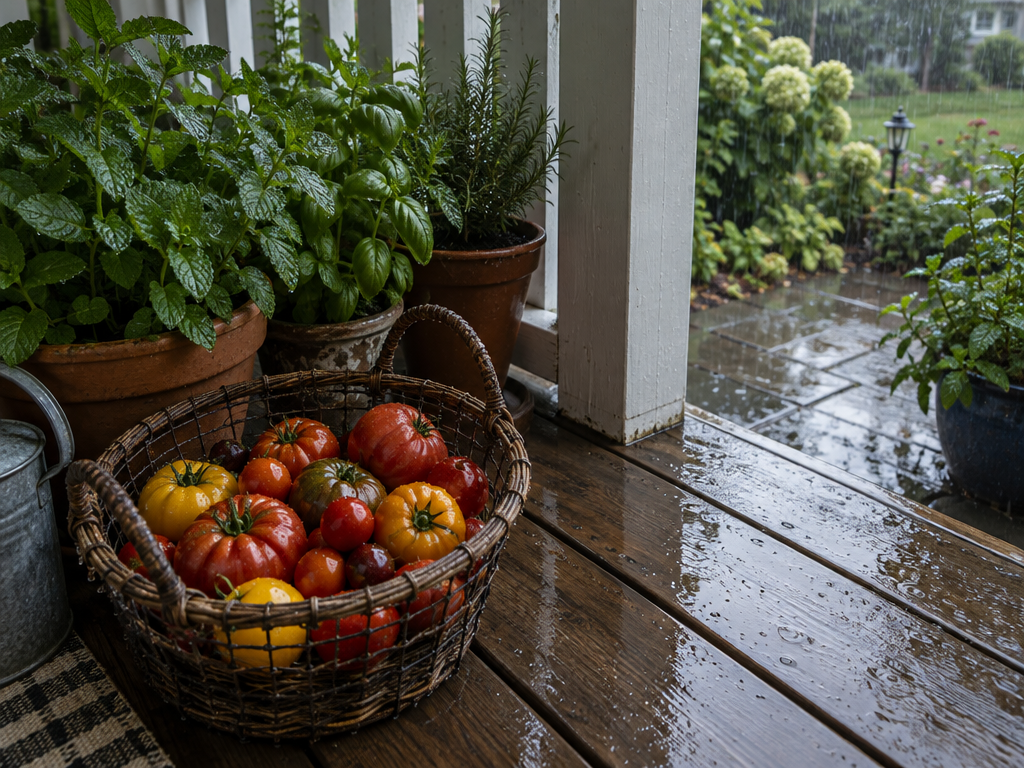
Pulling fragile container herbs and fresh garden harvests under the porch roof once the swallows begin swooping low.
Reading the Sky: Distinguishing Hunting from Weather Hunkering
Are low birds always a storm warning? Context matters. In late spring and early summer, swallows with hungry nestlings will hunt near ground level on warm, calm evenings simply because insect hatches happen near wetlands and dewy lawns. You need to read the environmental cues together.
Check the horizon. If the flight altitude drops while the light takes on that strange, metallic green-gold pre-storm tint, the humidity feels sticky, and songbirds grow vocal and erratic, rain is almost certainly moving through. Conversely, on a clear, dry evening with birds sweeping low over pond water, you are likely just watching a routine twilight hatch of harmless midges.
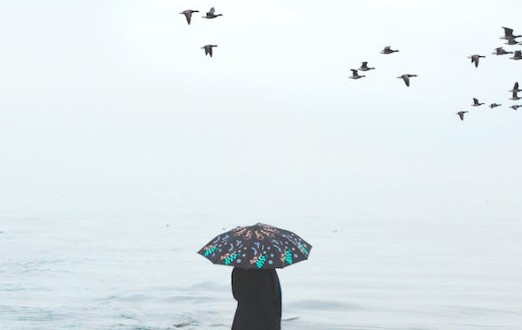
Watching a flock skim low along the misty coastline just minutes before opening the umbrella.
Turning Everyday Observation into Natural Habit
Modern weather radars and hyper-local phone alerts are wonderful tools, yet they tend to detach us from the physical environment right outside our kitchen windows. Learning to spot subtle behavioral shifts in local wildlife gives you an instinctive pulse on the season.
Next time you fill your morning mug with herbal brew and step onto the porch, look up toward the treeline. Notice whether the air feels crisp or dense. Watch how high the swifts are cutting through the blue. When those wings begin skimming low across the grass, smile, gather your garden tools, and savor the quiet moments before the downpour begins.