
There is a unique, sensory joy in climbing into a bed covered with freshly laundered sheets. The texture is slightly crisp against the skin, the scent is clean morning air, and settling down at the end of a long day instantly feels more restorative. However, that immaculate feeling naturally fades, leading us to the big question: How often should you *really* wash your bedding?
The standard answer, which you may have heard repeated since childhood, is simple: once a week. But life isn’t generic, and neither are our households. Your personal hygiene habits, skin sensitivity, local climate, and even who you share your mattress with (human or furry) all shift that schedule. The reality is that we are constantly managing a complex buildup of sweat, body oils, dust, skin cells, and microscopic mites.
The standard, while practical for some, requires adjustment to maintain a genuinely hygienic and inviting sleeping environment. Blindly following a generic schedule is how we either burn out doing laundry or, worse, sleep in invisible grime. We need a flexible strategy.
The Weekly Standard: A Starting Point
For a typical adult who showers daily (especially before bed), uses quality detergent, and keeps pets out of the room, washing sheets and pillowcases once a week is indeed a sound, achievable routine.
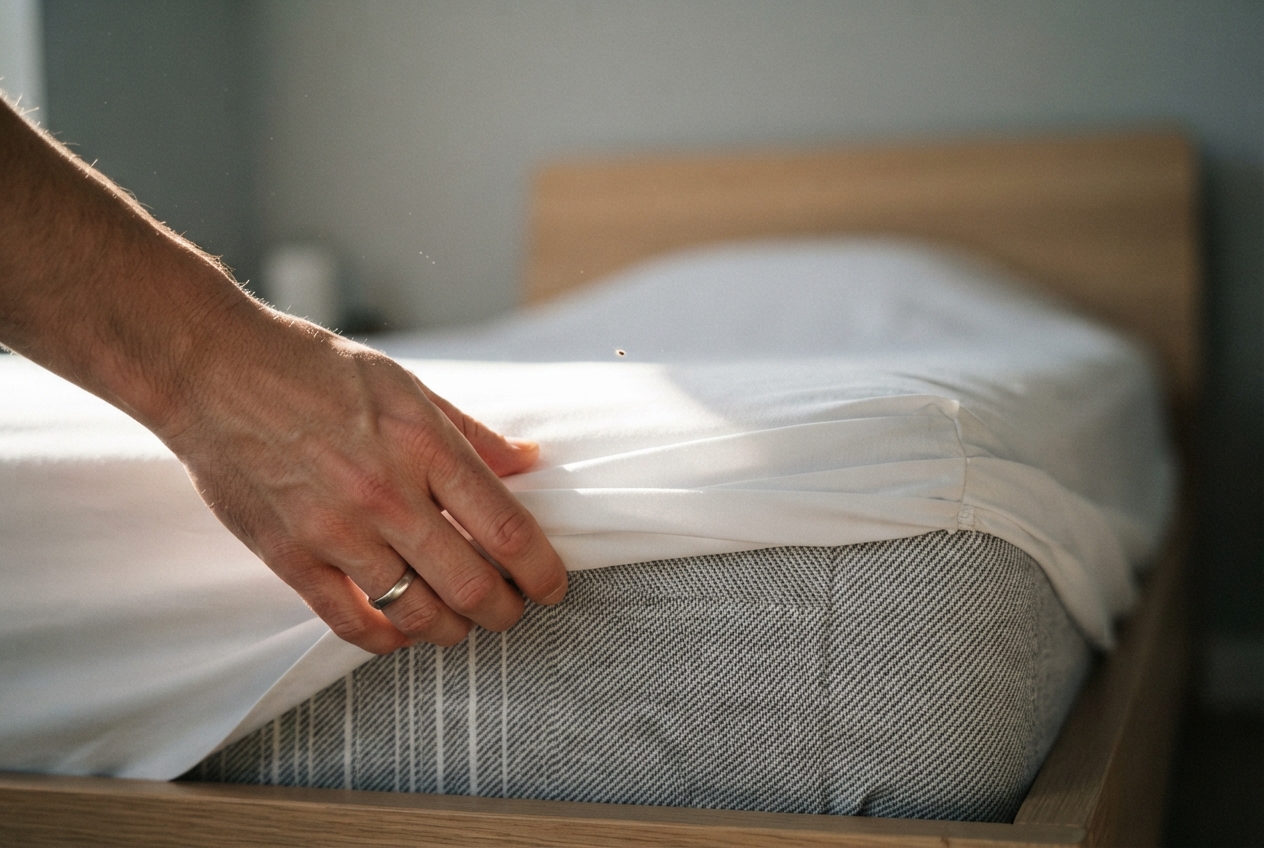
The physical act of smoothing a fresh, crisp white cotton sheet over the mattress feels deeply satisfying.
This frequency strikes a healthy balance. It removes the natural buildup of sweat, hair products, and skin cells before they accumulate heavily, ensuring your bed remains a fresh sanctuary rather than a chore-in-waiting. Consistency is far more valuable than perfection here; having a regular “bedding day” creates a comforting cadence for your home, making the task predictable.
When (and Why) to Wash More Часто
We need to be honest about the factors that invalidate the weekly schedule. Certain situations demand immediate laundering, often every three to four days.
If you or your partner sweat heavily at night, whether due to climate, bedding materials, or biology, your sheets absorb that moisture and oil. This creates a damp environment where bacteria and mites thrive. Regular heavy sweating makes frequent washing essential, not optional.
Similarly, if you share your space with pets, you are also sharing it with outdoor debris, dander, loose hair, and dirt. Even the cleanest-looking dog can bring unwanted elements onto your duvet. During high-pollen or allergy seasons, clean bedding—including pillowcases—is your first line of defense against nighttime irritation. Lastly, always wash all utilized bedding immediately after recovering from illness.
The Nuance of Fabric: Beyond Cotton
Modern homes use a variety of materials, and these demand specific care schedules. What works for robust cotton percale doesn’t apply to delicate fibers.
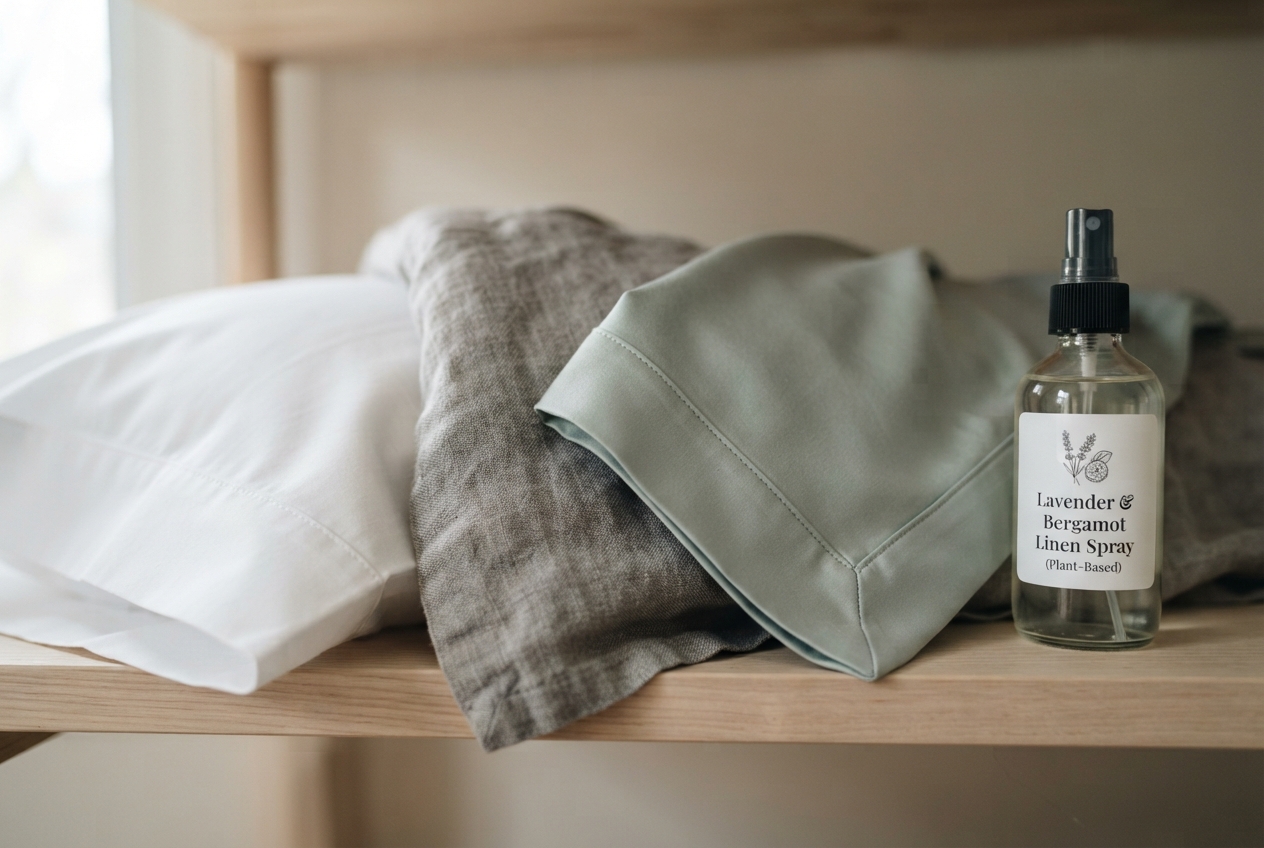
A texture close-up: Silk requires delicate care, while bamboo lyocell and cotton percale offer different cooling properties and washing demands.
Silk and satin pillowcases, often praised for their benefits to skin and hair, should be washed frequently (every 4-7 days) but with extreme care. They absorb facial oils and residue easily but must be laundered on a delicate cycle using dynamic temperature control—never hot water—and specialized silk detergent to prevent fiber degradation.
Bamboo lyocell and natural linen are highly breathable and naturally antimicrobial, often feeling fresher longer than cotton. While you can often stretch their main wash cycle slightly closer to the weekly mark even with moderate use, their breathability works best when they are clean, not saturated with body oils. Conversely, heavy flannel sheets for winter pick up lint and skin cells quickly; they need consistent, slightly warmer washes to stay soft and truly clean.
Tackling Bulky Items and Heavily Used Bedding
While sheets handle the daily contact, the outer layers of the bed need their own hygiene strategies. They are less about daily skin-to-skin contact and more about managing the inevitable dust and environmental buildup.

Managing a bulky pale blue duvet cover and extra pillowcases in a modern front-loading machine with plant-based detergent.
Your duvet cover or top blanket handles dust, oils, and general room air every day. If you don’t use a top sheet, the duvet cover is essentially a giant sheet and must be washed weekly without fail.
However, if you utilize a top sheet diligently and keep your duvet mostly protected, washing the cover every two to four weeks is a realistic strategy. A top sheet is easy to launder; a bulky down duvet cover is a physical task. The key is inspecting the cover; if it feels heavy with dust or smells less than perfect, it must go into the wash, regardless of the schedule.
How Often to Wash Comforters and Duvets?
The heavy insert itself—the down or synthetic comforter—doesn’t need frequent laundering unless it becomes visibly soiled or wet. Washing these large items too often is a major mistake; it breaks down the fill and can overwhelm your home appliance.
A cleaning interval of every six months, typically when changing the bed seasonally (e.g., from summer weight to winter weight), is generally sufficient, *provided* the comforter is always covered by a clean duvet cover. If you have severe dust mite allergies, however, consider laundering these items quarterly on a hot wash (if the care label allows) or using professional cleaning.
The Holistic Bed: When to Wash Protectors and Decorative Covers
A truly healthy bed isn’t just about the top layers. We often overlook the essential protective barrier directly against the mattress.
An open wooden cabinet showcasing how extra sheet sets and sorted protectors keep the linen inventory organized.
Your mattress protector is the foundation of bed hygiene. It prevents sweat, dead skin, and the millions of microscopic dust mites that feast on them from penetrating the porous mattress itself. Because it is protected by the fitted sheet, the protector does not need weekly washing. A practical routine is to launder it every one to two months, or whenever you rotate your mattress. Regular washing of this layer prevents the dreaded “mattress odor.”
Decorative Pillows and Sharms
The decorative pillows and shams that complete the aesthetic of your modern bed also collect dust and residue. If they are primarily for display and are removed every night, they can be laundered every three to six months.
However, if those shams are utilized as functional backrests for reading or watching television, treat them like standard pillowcases and wash them much more frequently (every one to two weeks) on a standard, rather than delicate, cycle to maintain fabric integrity. Always inspect the inner decorative pillow forms as well; many are now washable and should be addressed once a year.
Create a Flexible and Joyful Laundry Routine
Maintenance, not obsessive deep cleaning, is the key to managing a tidy and healthy home without burnout. The right schedule is the one you can actually keep.
The most valuable strategy for a smooth routine is simply having a second—or even third—complete set of bedding. This eliminates the frantic race to wash and dry your sheets in a single day. You can quickly strip the bed, remake it with the fresh set (the satisfying part!), and then handle the laundering of the dirty sheets whenever it fits into your schedule over the next few days.
Finally, utilize the aesthetic properties of airing out your bed. In the morning, pull back the duvet completely for an hour or two instead of making the bed instantly. This allows moisture trapped from the night to evaporate, creating an inherently fresher environment and a slightly more relaxed, modern aesthetic that feels genuine and inviting.
Your bedroom should be your ultimate retreat. Developing a sensible, material-aware bedding routine keeps it comfortable, genuinely clean, and ready to welcome you without letting laundry dominate your life.