There is a specific kind of living room chaos that only happens during the final ten seconds of an evening game show. You know the scene well: dinner dishes are drying on the rack, someone is sipping hot lemon tea on the sofa, and the entire household suddenly stops breathing while staring at a grid of glowing green boxes on the television. That electric tension reached a fever pitch recently when Steve Knapp, a quiet educator from Hampshire, found himself locked in a race against the studio clock on the beloved puzzle stage.
For nearly forty minutes, the board had felt stubborn and downright unforgiving. Letters went uncalled, spins landed on frustrating penalties, and Knapp appeared destined to walk away with little more than a polite round of applause. Then came an unexpected linguistic detour featuring wisdom teeth, a sudden trip package, and a bonus round solve so clipped and breathy that it instantly divided viewers between their sofa cushions and digital keyboards.
Nothing beats the cozy chaos of family game night when everyone is shouting answers at the screen before the buzzer sounds.
The Anatomy of a Dramatic Late-Game Comeback
Every long-time game show devotee knows that momentum is a fickle beast under bright studio lights. Knapp spent the early segments of his appearance fighting an uphill battle where nothing seemed to click. The wheel refused to cooperate, puzzle answers slipped away to fellow competitors, and the scoreboard told a grim story. Yet experienced educators tend to have deep reserves of patience, a trait that served him well when the before-and-after category rolled onto the screen.
The turning point arrived with the quirky phrase “Words of Wisdom Tooth.” Spotting that compound pun broke the drought, unlocking crucial banked funds and giving him the stage presence he needed. Moments later, an eleventh-hour prize round secured him a vacation getaway worth over eleven thousand dollars. Just like that, an episode that began with cold hands transformed into an open door to the high-stakes final round.

Teachers know all about high-stakes pressure, but solving puzzles under studio spotlights is a whole different test.
The Ten-Second Mumble: What Really Happened at the Board?
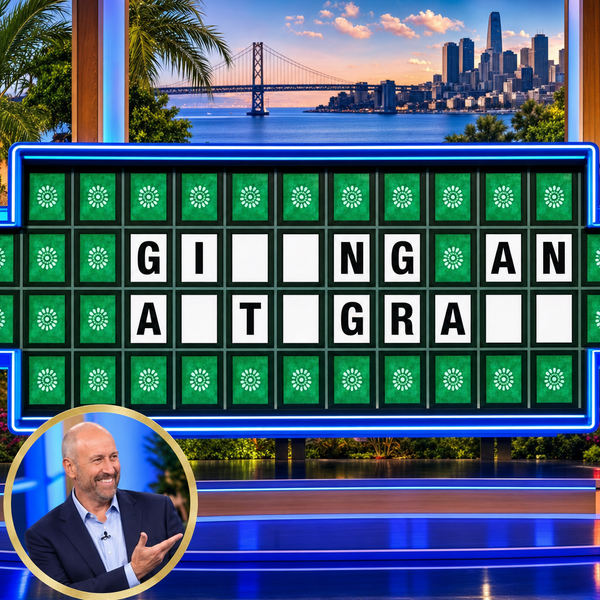
When the category for the bonus puzzle was revealed, Knapp stood before the famous row of blank tiles needing consonant support. His selected letters left noticeable gaps across the structure, spelling out a partial prompt that looked daunting under ticking studio numbers. As the countdown sounded, he leaned forward, furrowed his brow, and pushed out a rapid-fire string of words before the buzzer snapped shut.
The solution was “Giving an autograph.” What came out of Knapp’s mouth, however, sounded to many casual ears like a breathless, slurred blur. The cadence was uneven, the middle syllables collapsed together, and for a fleeting half-second, the studio audio felt paused in genuine uncertainty. Then the chimes rang, the host smiled, and the celebratory lights flashed gold.
“When seconds tick down on live stage equipment, your vocal cords tighten up in ways you cannot prepare for at home on the couch.”
The successful solve unlocked an eye-popping bonus: a sleek new sports coupe valued at over forty-five thousand dollars. Combined with his main-game earnings and tropical travel package, Knapp’s total haul surged to an astounding sixty-five thousand eight hundred dollars. Yet the moment the credits rolled, a secondary puzzle opened up on the internet.
The line between a clear solve and an indistinct murmur sparked instant debate across living rooms and community forums alike.
Why Casual Viewers and Rules Purists Collided Online
Modern game show fandom has an eagle eye for detail, and social media feeds lit up almost immediately with split reactions. One camp insisted the answer was too garbled to count under standard broadcast competition rules. They pointed to historical episodes where contestants lost fortunes simply for adding an involuntary “and” before a final word or hesitating a fraction of a second past the tone.
The opposing camp rallied behind the humble schoolteacher. They argued that vocal pitch changes and rapid nervous delivery should never erase an obvious correct solve. Anyone who has ever tried to speak while their adrenaline is spiking knows the tongue gets heavy and words tumble out fast. To penalize an everyday educator over studio stage fright felt, to them, fundamentally petty.
How Independent Judges Make the Hard Calls
What viewers at home rarely see is the dedicated team of compliance and standards officers seated just off-camera. These officials monitor isolated multi-track audio feeds using high-fidelity headphones, isolated from the roar of the studio audience. Their guidelines do not demand stage-actor diction; they require recognizable phonemes produced in the correct sequence before time expires.
- Clear Phonetic Sequences: Contestants must produce the fundamental sound structures that form each word without inserting extraneous vocabulary.
- Buzzer Precision: The final word must begin before the official digital buzzer sounds, regardless of where the studio chime lands.
- Intent and Flow: While stutters can complicate review, continuous spoken attempts that clearly identify the solution meet official broadcast benchmarks.

Walking away with a brand-new ride and a life-changing cash cushion makes every stressful second on set worth it.
The Verdict Stands: A Victory for Everyday Composure
Ultimately, the broadcast production team officially affirmed the win, closing the book on the technical debate. Knapp earned his top-tier sports car, his seaside holiday, and a generous cash nest egg fair and square under the governing standards of American television gaming. For an everyday educator used to grading grammar rather than racing stopwatches, the triumph is well deserved.
Next time you gather in the living room with family, sharing a warm pot of mint tea and testing your wits against the nightly puzzle board, remember that speed does funny things to the voice. It is easy to pronounce every syllable cleanly from the comfort of an armchair. When sixty-five thousand dollars hangs on a single breath, getting the words out any way you can is the only thing that counts.