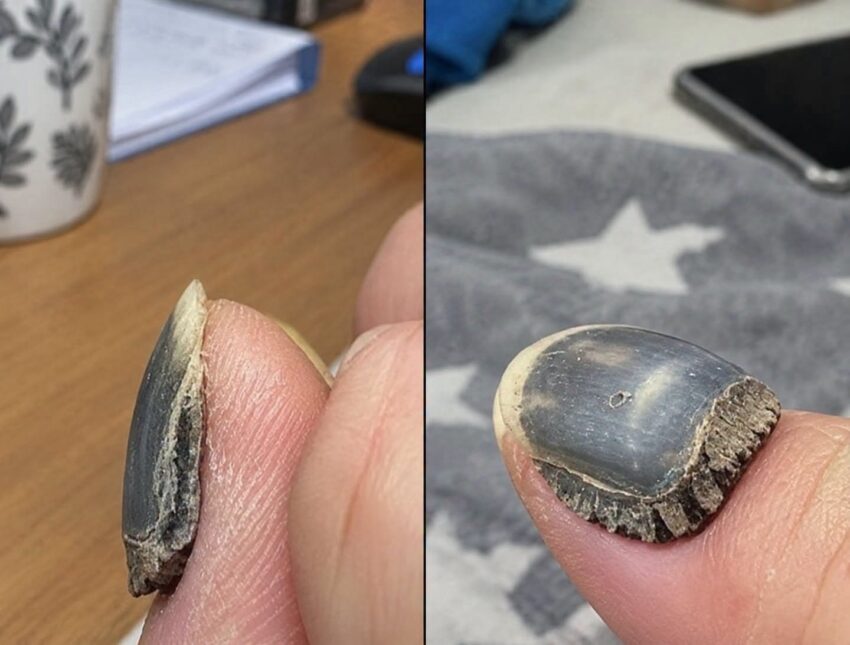
If you spend any time browsing social media or lifestyle forums, you have likely paused at that startling photo of a blackened, horn-like thumb captioned with a dramatic warning about using too much nail polish or nail glue. It looks terrifying. Seeing such severe nail thickening makes anyone second-guess their weekly manicure routine.
Your mind immediately jumps to your own bathroom vanity. Could that bottle of burgundy lacquer on your dresser really morph your nail plate into a thick, crusty shell? Are salon press-ons silently turning your fingertips into something out of a horror film?
Take a breath. The viral posts circulating this image thrive on scare tactics, taking a rare dermatological state completely out of context. The genuine story behind that photo is far more nuanced, rooted in clinical biology rather than an innocent bottle of top coat.
Keeping natural nails trimmed, clean, and well-hydrated helps preserve the integrity of your nail bed.
The Truth Behind Severe Nail Thickening: What Are You Actually Seeing?
The condition shown in that viral thumbnail is known in the medical community as extreme subungual hyperkeratosis, often developing into a severe nail dystrophy called onychogryphosis. In everyday language, this refers to an excessive buildup of tough keratin scales underneath the nail plate, causing the nail to elevate, darken, and curl like a ram’s horn.
When the delicate skin beneath your nail encounters sustained physical trauma, deep fungal infections, or severe inflammatory triggers, it panics. It responds by churning out layer upon layer of thick, unorganized keratin cells to build a defensive wall. As the debris accumulates underneath, it pushes the nail plate upward and away from the pink nail bed.
Over months or years of neglect or mismanaged care, this mass of trapped dead cells hardens into a dense, bark-like structure. The dark gray and blackish discoloration is not old nail polish sitting on the surface. It is the result of oxidized keratin, microscopic debris, and secondary microbial colonization trapped under a thickened nail plate.
Can Nail Products Actually Cause This Damage?
Let us separate everyday beauty habits from legitimate medical risks. Regular, air-drying nail polish cannot turn your thumb into a hardened horn. Standard polish sits on the outermost dorsal layer of your nail plate. At worst, wearing dark lacquer without a protective base coat leaves you with temporary yellow stains or chalky surface patches called keratin granulations.
Things become more complicated when we introduce heavy adhesives, cyanoacrylate nail glues, and uncured gel resins. These strong chemicals can provoke severe allergic contact dermatitis if they repeatedly touch your cuticles or seep under your free edge. When an allergic reaction takes hold, the skin around the nail bed swells, fissures, and begins lifting away from the plate—a process known as onycholysis.
Once a nail lifts, an empty pocket forms underneath. Moisture from washing dishes, showering, or sweaty gardening gloves gets trapped in that dark space. That damp pocket becomes a welcoming home for fungal dermatophytes and opportunistic bacteria like Pseudomonas, which accelerate hyperkeratosis if left unchecked.
The danger rarely stems from occasional cosmetic polish. The real hazard lies in ignoring allergic swelling, peeling off bonded fake nails with blunt force, and trapping moisture underneath separated nail beds.
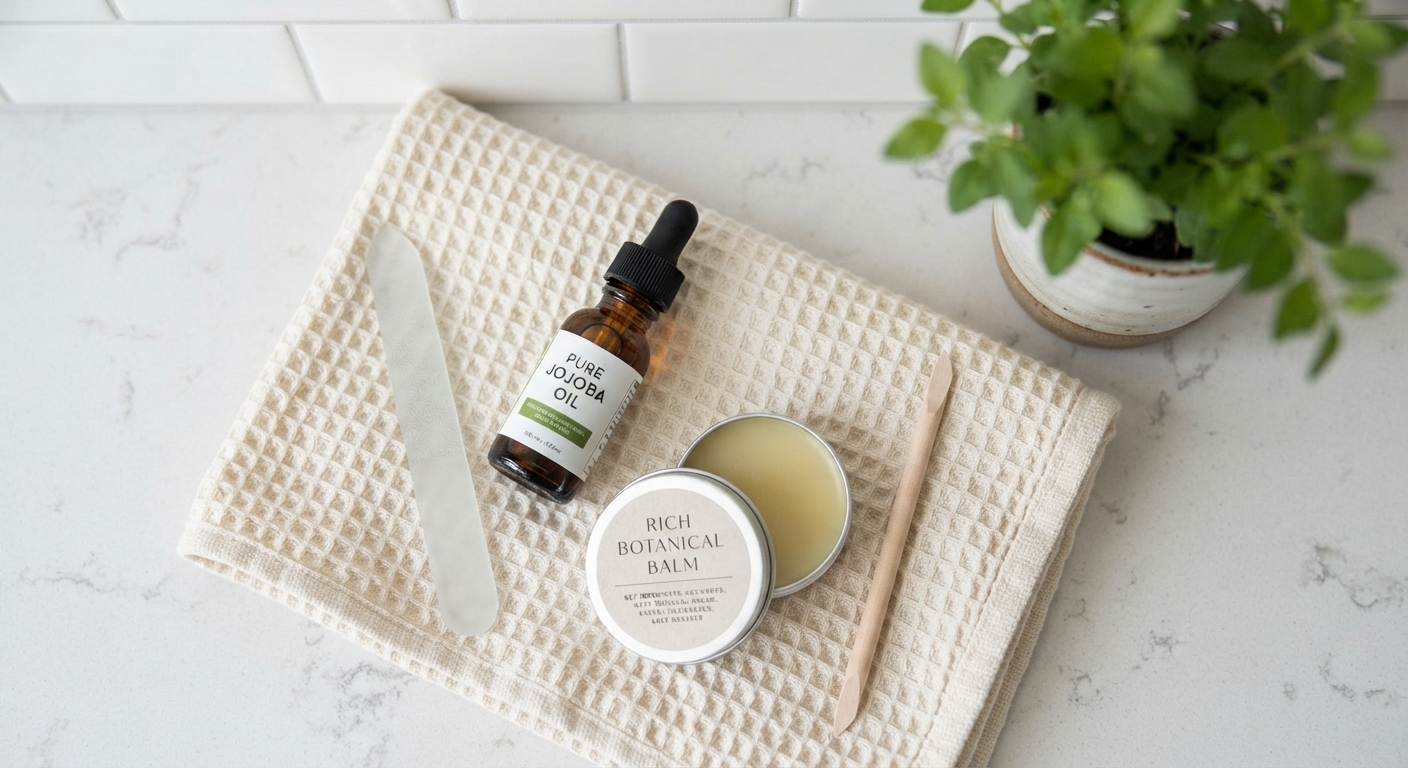
Simple botanical oils and gentle glass files encourage steady recovery without stripping away natural keratin.
Underlying Triggers: What Else Causes Extreme Keratin Buildup?
Severe structural changes to the fingernail do not occur overnight, nor do they rely solely on salon products. Several systemic and environmental factors can provoke this level of distress:
- Chronic Onychomycosis: A deep-seated fungal infection can quietly thrive for years. As the fungus feeds on natural keratin, it leaves behind a thick, crumbly layer of yellowish-brown or gray matter that steadily lifts the nail.
- Severe Physical Trauma: Crushing a finger in a door, dropping heavy garden stones, or chronic nervous picking can permanently injure the nail matrix. When the matrix suffers structural trauma, it permanently loses the ability to produce a smooth, flat nail.
- Nail Psoriasis: Psoriasis does not just show up on elbows and knees. When it targets the nail bed, it accelerates cell turnover, producing rapid subungual hyperkeratosis, deep pitting, and a yellowish “oil drop” discoloration.
- Circulatory Challenges: Poor peripheral blood flow slows healthy nail growth down to a crawl, allowing old keratin cells to stack on top of one another instead of pushing forward cleanly.
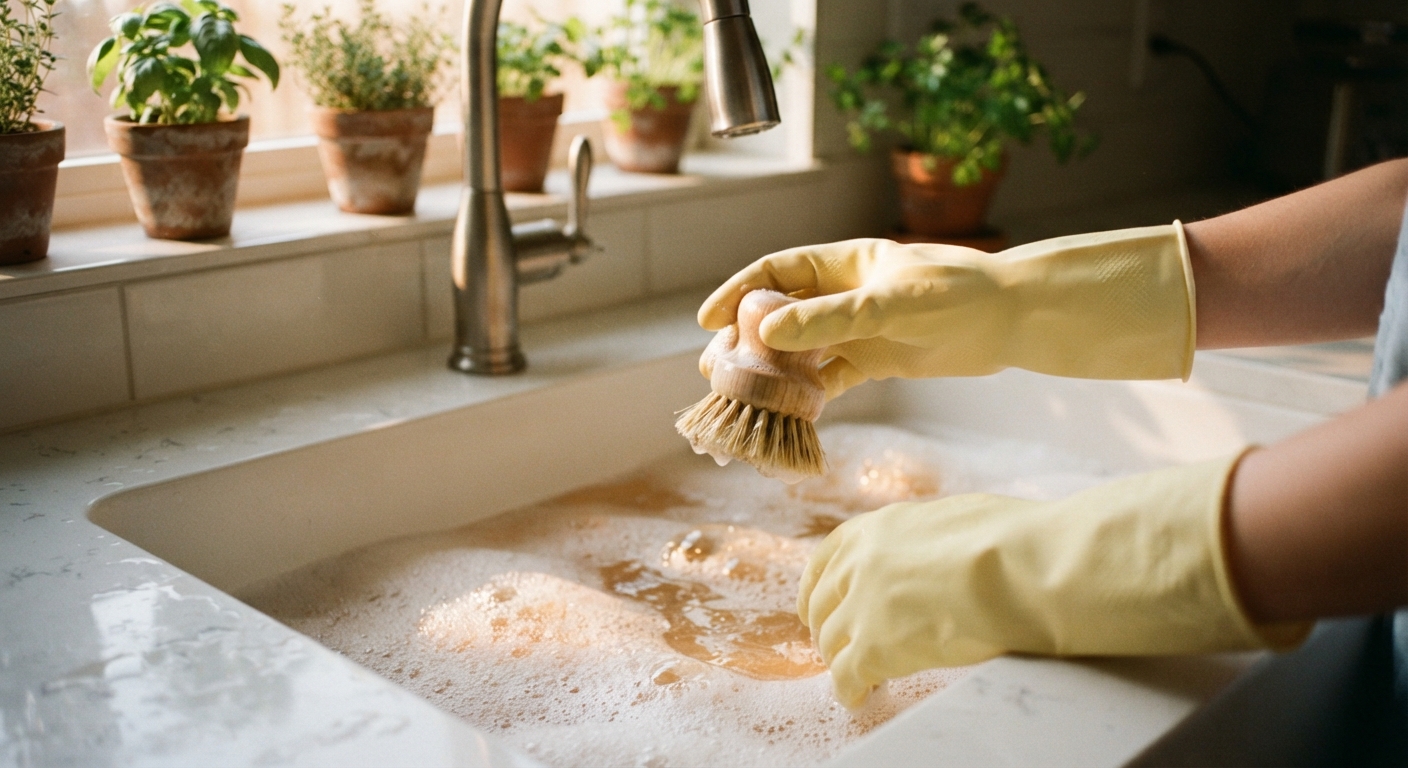
Wearing protective gloves during everyday kitchen chores shields fragile nail beds from harsh soaps and prolonged water exposure.
Everyday Warning Signs Your Nails Need an Immediate Rest
Your hands will always signal distress long before reaching advanced stages of severe nail thickening. Learning to catch those early whispers keeps small cosmetic hiccups from spiraling into stubborn clinical dilemmas.
Pay close attention if you notice your nail plate thinning out or peeling in horizontal layers across the tip. If you feel throbbing, heat, or persistent itching along your proximal nail fold after applying adhesive press-ons, your body is sounding an alarm against a chemical irritant. Step back immediately.
Another telltale red flag is a spreading white or yellowish gap beneath your nail tip. When you see that pink seal retreating toward the cuticle, stop applying acrylics or hard gels right away. Covering a lifted nail with another coat of polish merely seals in moisture and invites microbial overgrowth.
A Gentle Home Rehabilitation Protocol for Stressed Nails
If your nails feel paper-thin, dry, or cracked from aggressive salon cycles, healing begins with simple, protective everyday habits. You do not need expensive specialty serums; you just need patience and smart barrier care.
1. Give Your Hands a Complete Bare Window
Remove all artificial enhancements, dips, and hard gels using a slow, gentle soak. Never scrape, pry, or force enhancements off your natural nail bed, as doing so rips off essential keratin layers. Keep your nails short, trimmed straight across, and bare for at least four to six weeks while new growth establishes itself.
2. Hydrate With Small-Molecule Botanical Oils
Traditional water-based hand lotions struggle to penetrate the dense lipid structure of the nail plate. Pure jojoba oil and plant-derived squalane possess molecular profiles remarkably similar to your skin’s natural sebum. Rub a single drop into your nail plates and cuticles twice a day to restore flexibility and prevent brittle cracking.
3. Switch to a Fine-Grit Glass File
Throw away coarse metal files and aggressive emery boards. Harsh files chew up the delicate edge of your nail, creating microscopic tears that lead to splitting. A smooth, etched glass file seals the keratin edges as you shape, reducing snagging and preserving strength.
4. Guard Your Hands Against Daily Moisture Swings
Every time you submerge your bare hands in hot soapy water while tackling dinner pots or wiping kitchen counters, your nails expand like sponges. As they dry, they contract, weakening the intercellular bonds that keep the layers bonded. Slip on a pair of unlined rubber gloves whenever you wash dishes or handle household cleaners.
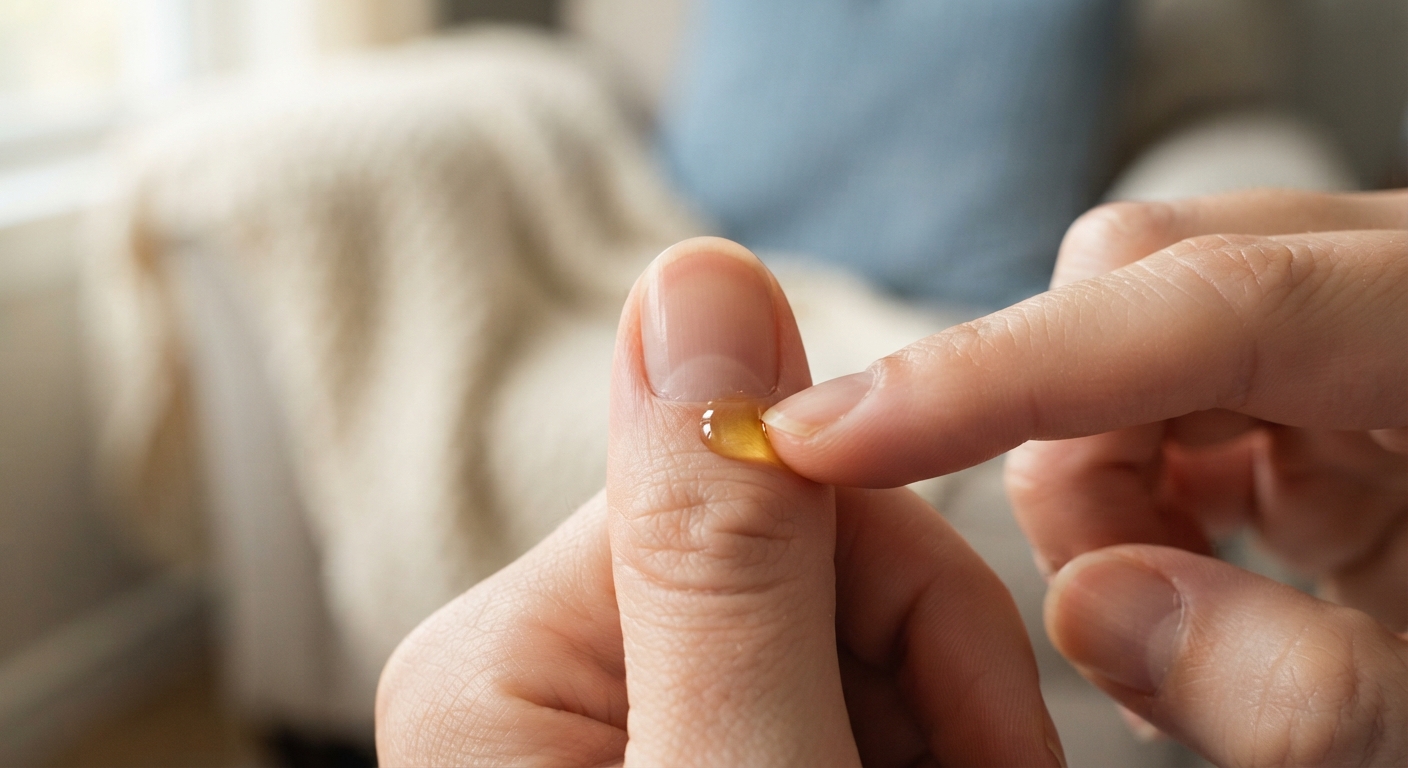
Massaging plant oils directly into the cuticle area nourishes the nail matrix where fresh growth begins.
When to Stop Home Care and Consult a Dermatologist
Home care works wonders for ordinary cosmetic dryness and minor salon wear, but deep structural changes require professional evaluation. Knowing when to put down the cuticle oil and consult a specialist will save you months of frustration.
If you observe noticeable hardening, pronounced crumbling, or gray-black buildup accumulating beneath your nail, schedule an appointment with a board-certified dermatologist. They can safely clip a tiny sample for a fungal culture or biopsy to pinpoint the exact pathogen or inflammatory cause.
Medical treatments for genuine hyperkeratosis often involve prescription topical antifungals, targeted urea creams to gently soften hardened keratin, or light clinical debridement. Tackling the root cause early clears the path for fresh, healthy tissue to emerge.
The viral posts on your screen may chase clicks with dramatic imagery, but true nail wellness is grounded in calm, consistent maintenance. Treat your hands with care, give them a breather when they ask for it, and do not let exaggerated social media posts rob you of your peace of mind.