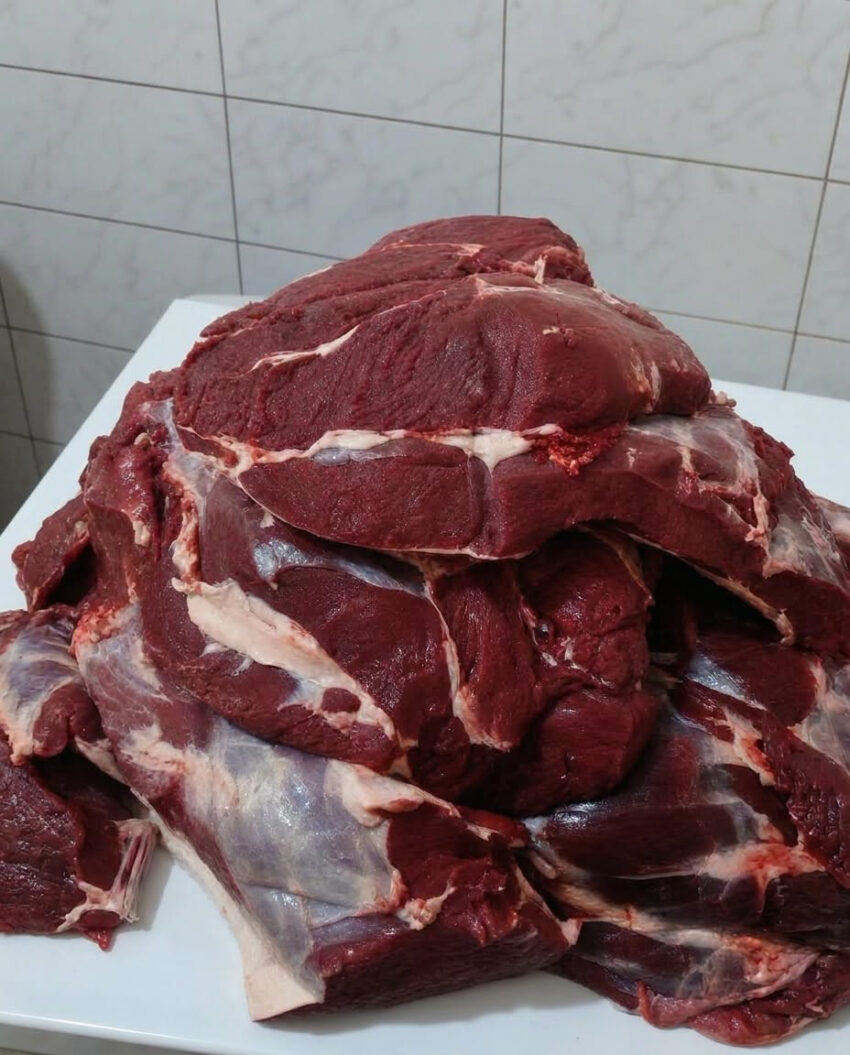
We have all stood in the chilly supermarket aisle, staring down rows of plastic-wrapped steaks and chicken breasts under humming overhead lights. Most of us gravitate straight toward the brightest, ruby-red tray on the shelf, assuming that popping color means peak freshness. Yet relying entirely on appearance is an easy way to bring home tough, watery, or subtly spoiled cuts that ruin dinner and waste hard-earned money.
Supermarket lighting tricks, gas flushes, and broth injections often disguise the true age and condition of raw protein. Learning how to spot bad meat at the grocery store requires using your eyes, hands, and common sense to look past the marketing. With a few butcher-tested habits, you can bypass commercial illusions, pick genuinely fresh cuts, and stretch your food budget further every week.
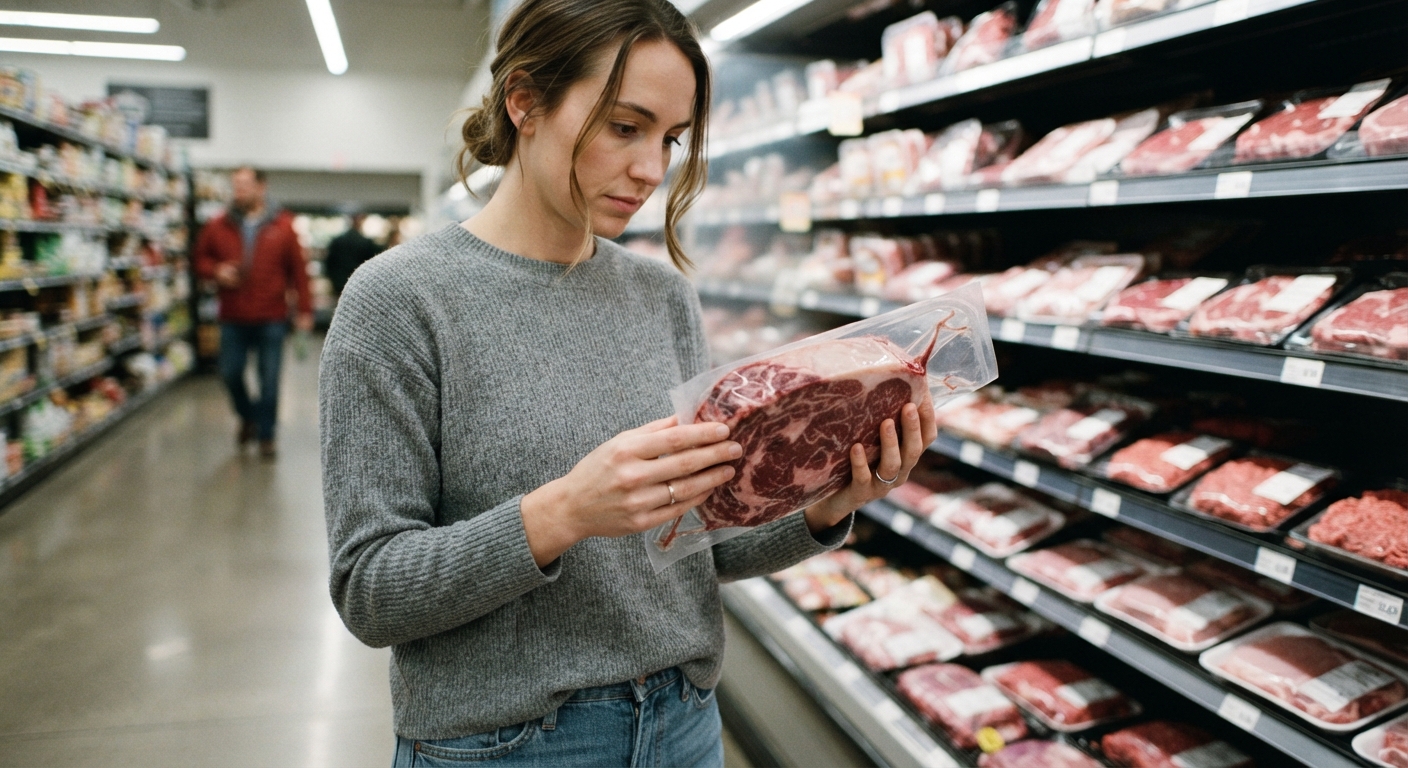
Pull meat packages away from the pink display lights to see the authentic color and marbling before putting them in your cart.
The Science of Color: Why Red Does Not Always Mean Fresh
Raw beef straight from the butcher is naturally a deep purplish-maroon. That color comes from myoglobin, an iron-rich protein that holds oxygen inside muscle tissue. When beef meets open air, myoglobin turns into bright cherry-red oxymyoglobin. This blooming reaction happens naturally, but commercial packing plants often use Modified Atmosphere Packaging (MAP) with concentrated oxygen to lock in that vibrant red tone artificially.
Some processors even use a trace carbon monoxide flush in low-oxygen trays. This process keeps beef looking freshly sliced for weeks, long after its prime eating window has closed. Meanwhile, custom pink-tinted LED strip lights inside grocery display cases wash out dull gray tones, tricking your eyes into seeing a cut that looks younger than it actually is. To check the real shade, step into the main aisle under neutral white light.
Butcher’s Rule: Surface browning on beef does not automatically signal spoilage. If the meat has simply oxidized from sitting wrapped in the fridge, it may still be fine. Trust texture and smell over color alone.
3 Packaging Tricks That Drain Your Wallet
Industrial packaging often masks low quality and inflates the final register price. Keep an eye out for these widespread retail practices before you toss a tray into your shopping cart.
- The Saline Injection Game: Commercial chicken and pork packages often carry fine print reading “enhanced with up to a 12% solution of broth, water, and salt.” This process, known as plumping, means you are paying full price per pound for tap water that evaporates the second it hits a hot skillet.
- The Heavy Soak Pad: When a piece of protein sits in a cooler for days, cell walls break down and leak moisture into the absorbent diaper pad beneath it. If that white pad is swollen, wet, and heavy, the meat has lost its internal juices and will turn out dry and stringy once cooked.
- Puffed and Ballooned Plastic: If the clear plastic film over a tray is domed or tight like a drum, put it back immediately. Gaseous byproducts from multiplying spoilage bacteria are pushing that film upward from inside the sealed environment.
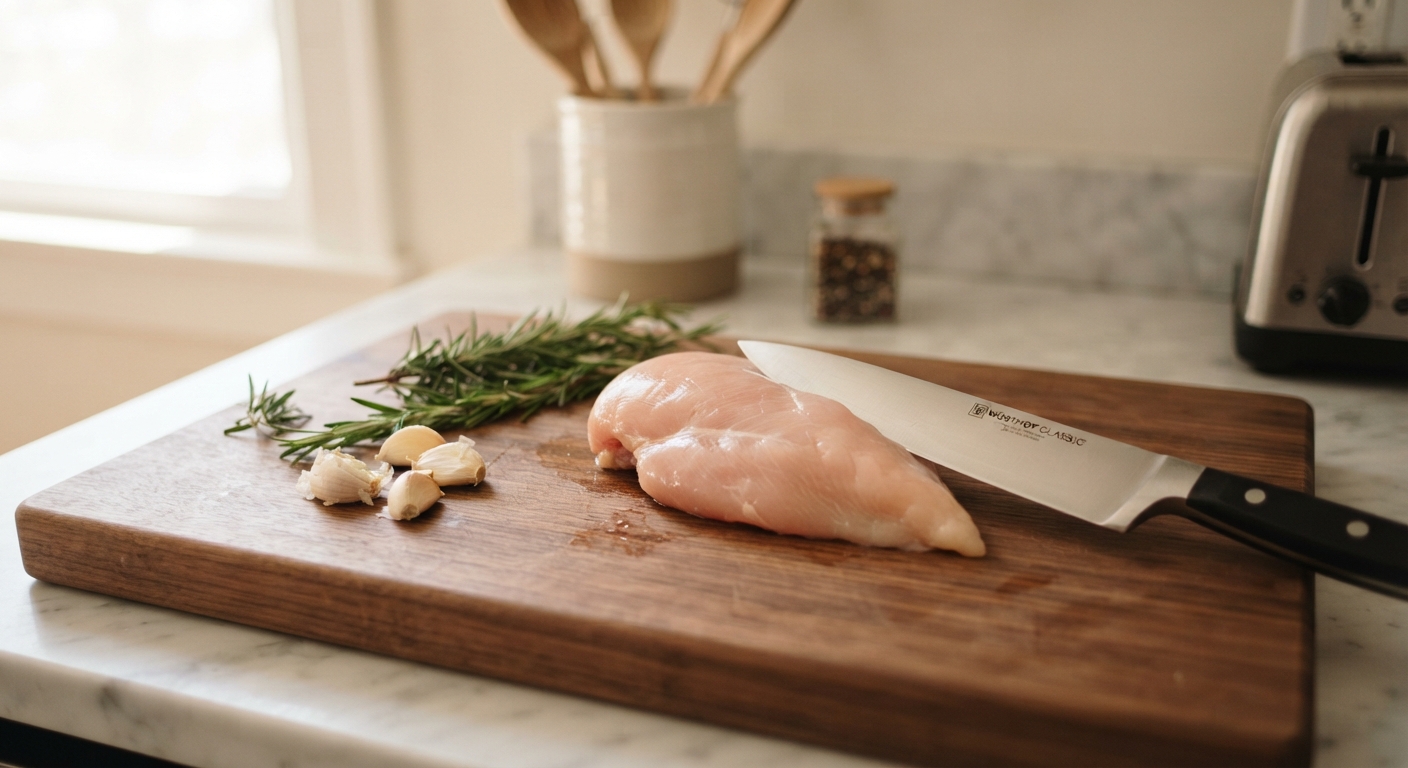
Fresh poultry should have a matte, springy texture rather than a sticky sheen or heavy pooled liquid.
The 4-Step Freshness Inspection Checklist
You do not need specialized equipment to catch bad meat before checkout. Run through this quick, tactile routine right at the refrigerated counter to verify quality in seconds.
1. The Firmness Press
Use your index finger to press the thickest part of the meat through the clear plastic. Fresh beef, pork, and chicken should feel dense, resilient, and spring back right away. If your finger leaves a deep dent that stays sunken, or if the cut feels mushy, soft, and spongy, the muscle fibers have begun breaking down.
2. The Surface Texture Check
Inspect the surface sheen through the plastic wrapper. Fresh poultry should look smooth and slightly moist with a clean matte finish. Avoid chicken breasts with pale white striping across the grain or hard, woody ridges that feel rubbery under pressure. Any slippery, slimy sheen across pork chops or steaks indicates rapid bacterial colonization.
3. Real Inspection Grades vs. Buzzwords
Ignore flashy, unverified terms like “butcher’s pride” or “farm-selected.” Look for official USDA inspection shields. USDA Prime features dense, web-like white marbling running through the red muscle, creating tender bites and rich pan juices. USDA Choice offers dependable quality for everyday meals, while Select cuts are much leaner and dry out quickly if cooked without gentle braising or marinades.
4. The Kitchen Counter Sniff Test
Once you unpack your groceries at home, run the final check with your nose before turning on the burner. Good beef has a mild, clean, slightly metallic scent. Fresh poultry and pork should smell nearly neutral. If you catch any whiff of sulfur, vinegar, sour milk, or ammonia, wrap it up and return it to the market.
Poultry, Pork, and Ground Meat: What to Watch For
Different types of meat degrade in distinct ways. Ground beef requires extra caution because grinding mixes surface bacteria through the entire batch. Fresh ground meat should have an even consistency throughout. If the center is grayish-brown from a simple lack of oxygen, it is usually safe, but if it feels sticky or emits a faintly pungent odor, discard it without hesitation.
For pork, steer clear of cuts that look pale, soft, and watery sitting in deep pink puddles in the tray. Quality pork displays a balanced pale pink to reddish color with firm, creamy white fat caps. Yellowing or crumbly fat indicates the fats have oxidized and will taste rancid once heated.
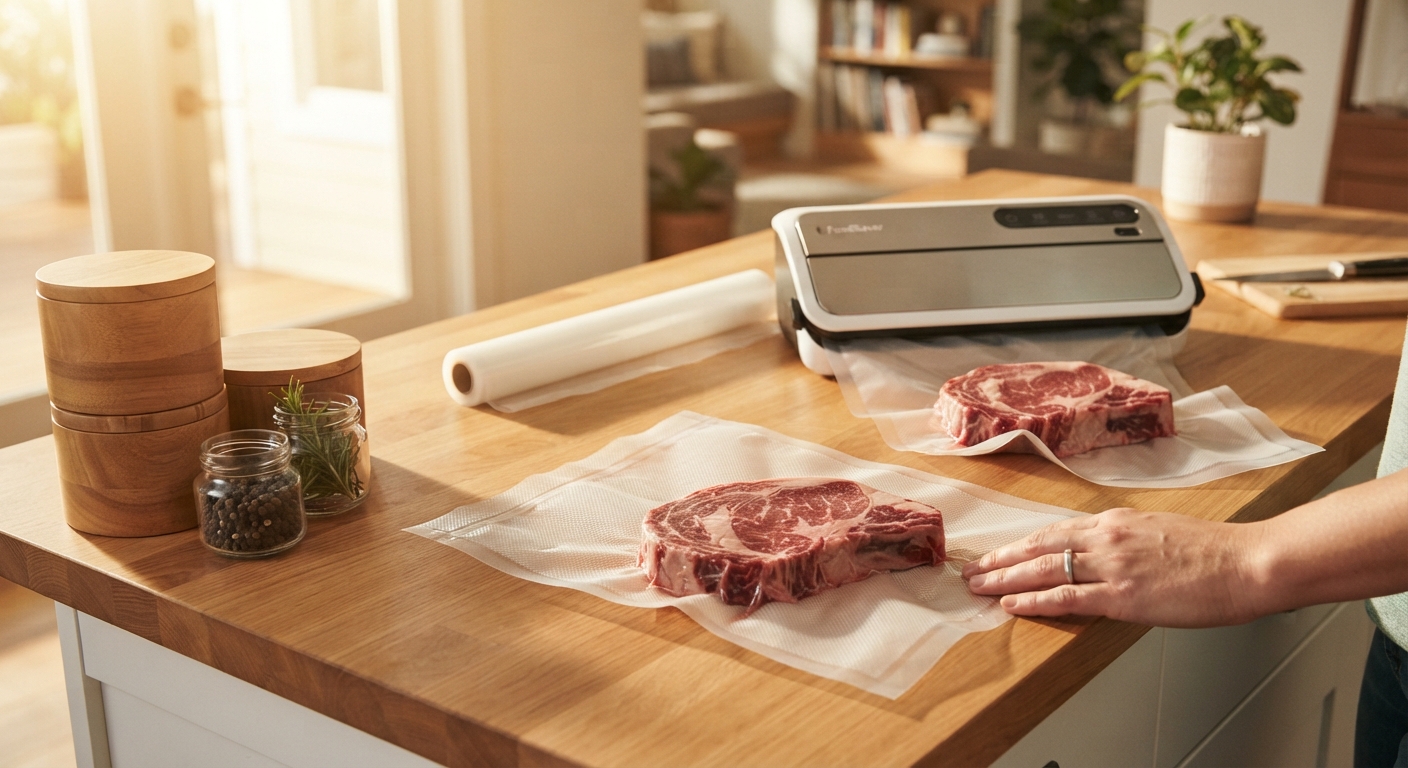
Removing air with a home vacuum sealer prevents ice crystal damage and keeps your cuts tender for months.
Cold Chain Habits for Long-Lasting Freshness
Protecting your groceries begins the moment you step into the market. Grab your produce, dry pantry staples, and household goods first, making the chilled butcher section your final stop before the cash register. Keep raw meat separated inside thin plastic produce bags to stop accidental drips from touching fresh vegetables or bread.
If you have a long drive home or run multiple errands, keep an insulated cooler bag in your trunk. Once inside your kitchen, get proteins straight into the coldest zone of your refrigerator, set strictly between 34 and 38 degrees Fahrenheit. Cook or freeze fresh poultry and ground meat within two days, and whole beef roasts or steaks within three to four days.
For long-term storage, ditch the thin supermarket styrofoam trays. Those loose plastic wraps let dry freezer air penetrate the surface within weeks, creating dull, gray freezer burn. Divide your cuts, pat them dry with paper towels, and seal them inside heavy-duty vacuum bags. Stripping away ambient air keeps fibers tender, juicy, and freezer-burn free for over a year.
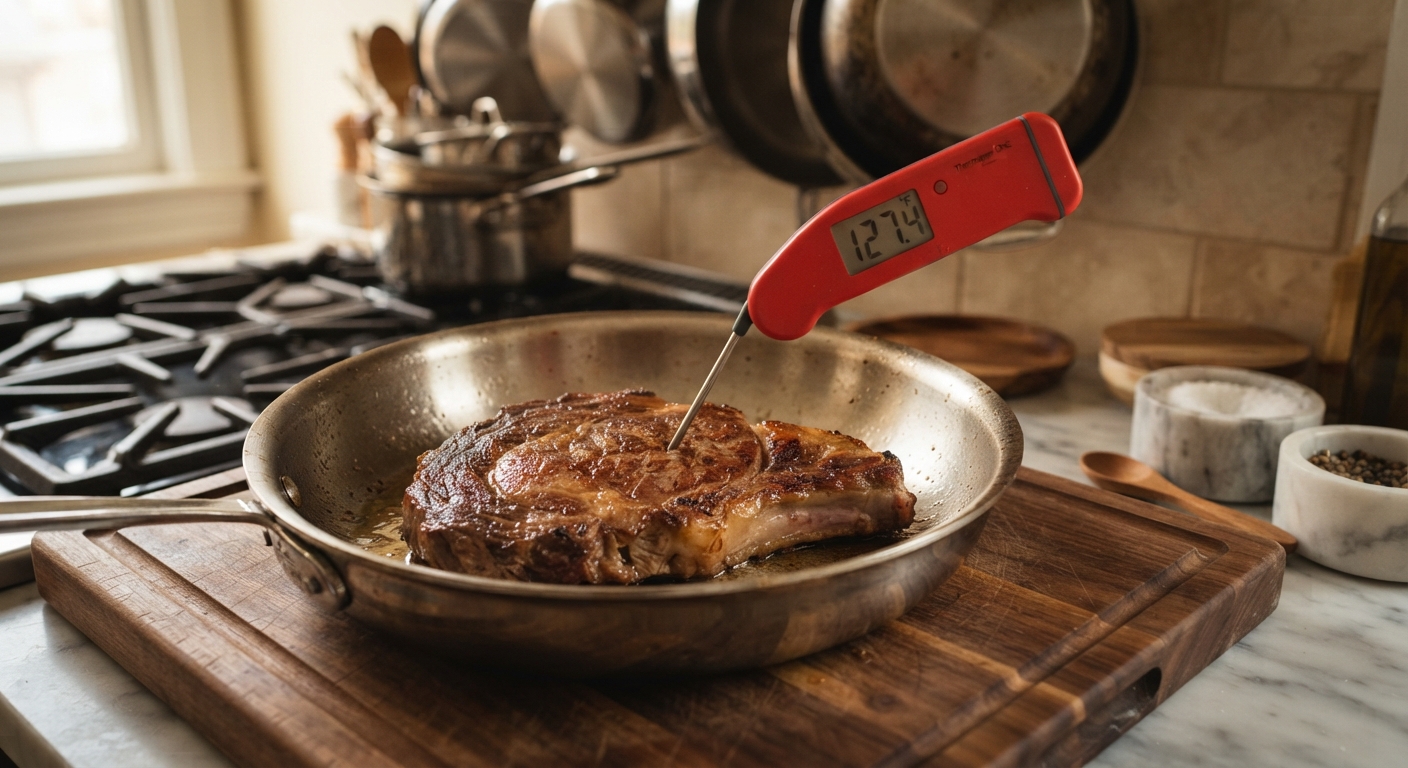
An instant-read digital thermometer takes the guesswork out of hitting safe, juicy internal temperatures without overcooking.
Cooking Temperatures and Food Safety
When it is time to cook, grab a reliable digital probe thermometer rather than cutting your meat open on the cutting board. Slicing into a resting steak lets all those tasty, savory juices spill out across your countertop. An instant-read thermometer gives you exact numbers in two seconds without damaging the crust.
- Whole Poultry & Ground Chicken/Turkey: Pull at 165°F in the thickest part of the thigh or breast.
- Ground Beef & Pork: Cook to 160°F for complete peace of mind.
- Steaks, Chops, and Roasts: Pull at 135°F for medium-rare or 145°F for medium, followed by a full 5-minute rest on a warm board.
Mastering how to spot bad meat at the grocery store saves you from wasted meal prep nights and disappointing dinners. Pay attention to firm textures, reject heavy saline soak pads, keep your cold chain unbroken, and you will consistently serve juicy, delicious, and safe meals at home.