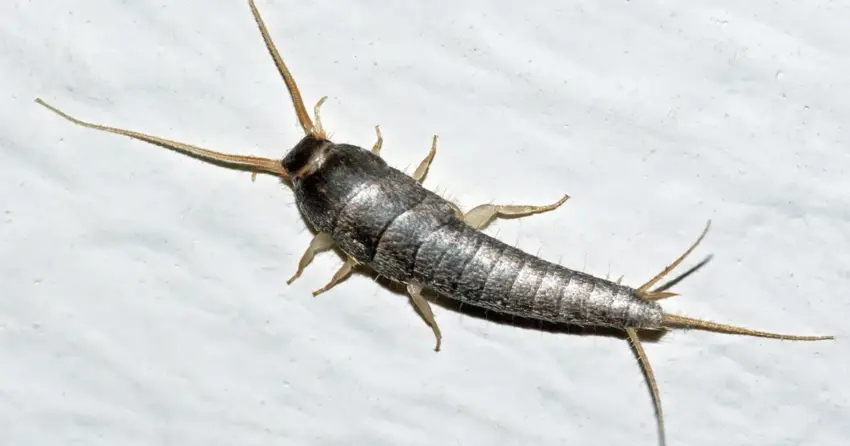
You flip on the bathroom light at two in the morning, reach for the cold-water faucet, and catch a flash of movement out of the corner of your eye. A small, gunmetal-grey speck glides across the porcelain tile with a distinct, fish-like wiggle before vanishing beneath the baseboard. That little midnight sprinter is a silverfish, and seeing one in your home can instantly make your skin crawl.
Spotting a stray bug doesn’t mean your housekeeping has failed. These ancient insects have survived for hundreds of millions of years because they excel at finding the tiniest damp microclimates inside modern houses. Finding silverfish in your house is a biological signal that your living space is providing them with moisture, warmth, and an abundant supply of dietary starches.
When you know what draws them in, where they nest, and how to shut down their food and water lines, removing them is straightforward. Here is an honest, practical guide to identifying silverfish, diagnosing why they chose your home, and removing them using safe, non-toxic household methods.
What Does a Silverfish Actually Look Like?
Silverfish (Lepisma saccharinum) get their name from their metallic sheen and quick, sideways swimming motion. Despite common myths that paint them as inch-and-a-half giants, mature adult silverfish generally measure between one-half and three-quarters of an inch in length. If you count their delicate front antennae and their three rear bristles, they can appear a bit larger, but their actual body is modest in size.
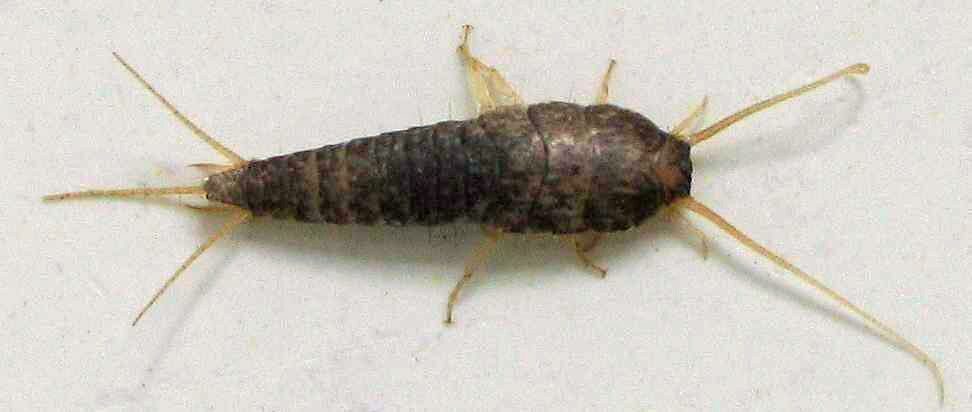
Up close, a silverfish displays a tapered, silvery-scaled body with three distinct bristle-like tails at its rear.
Their bodies are flat and teardrop-shaped, tapering down from a wide head to a slender tail end. They lack wings entirely, which is why you will never see a silverfish fly or flutter around a lightbulb. Instead, they rely on blinding foot speed across flat surfaces, though their tiny feet struggle to climb smooth vertical glass or polished ceramic walls.
People frequently confuse silverfish with firebrats or house centipedes. Firebrats share a similar carrot shape and triple-tailed rear, but their bodies have a mottled grey and brown coloration rather than a uniform silver sheen. Firebrats also prefer much hotter spots, like spaces right beside water heaters or furnace flues. House centipedes, by contrast, possess fifteen pairs of long, thread-like legs and hunt silverfish as active predators.
Why You Have Silverfish in Your House: The Hidden Culprits
Silverfish enter homes through gaps in foundation walls, unsealed window frames, or hitch a ride inside cardboard delivery boxes and vintage paper goods. Once indoors, they only settle down if two conditions match their biological needs: elevated humidity and readily available starch. Without moisture, their delicate exoskeletons dry out rapidly.
These critters thrive when ambient relative humidity stays above 70 to 75 percent. Rooms with poor air circulation, hidden plumbing condensation, or unsealed crawl spaces create an enticing haven. If you have a slow drip beneath a bathroom vanity or an uninsulated pipe sweating behind drywall, silverfish will locate that damp zone within days.
Their diet is equally straightforward: they crave carbohydrates, starches, and proteins known collectively as polysaccharides. In a natural outdoor environment, they feed on leaf litter and mold. Indoors, our homes offer a banquet of refined starches that go far beyond kitchen pantry crumbs.
- Adhesives and glues: Book bindings, wallpaper paste, craft glues, and the seams of cardboard boxes.
- Paper products: Old newspapers, unsealed tax files, tissue paper, paper grocery bags, and cardboard storage boxes.
- Natural textiles: Rayon, cotton, linen, and silk, especially when garments contain sizing starch or traces of dried sweat.
- Dry goods: Unsealed rolled oats, wheat flour, cereal, dry pet food, and pasta stored in original paper boxes.
- Dead matter: Shed pet fur, fallen dandruff, and mold spores growing along damp baseboards.
Where They Hide: Scouting Home Microclimates
Because silverfish avoid daylight, seeing one out in the open during bright afternoon hours usually means their preferred dark hiding spots are already crowded. They squeeze their flattened bodies into hairline cracks that keep them hidden from foot traffic and drafts.
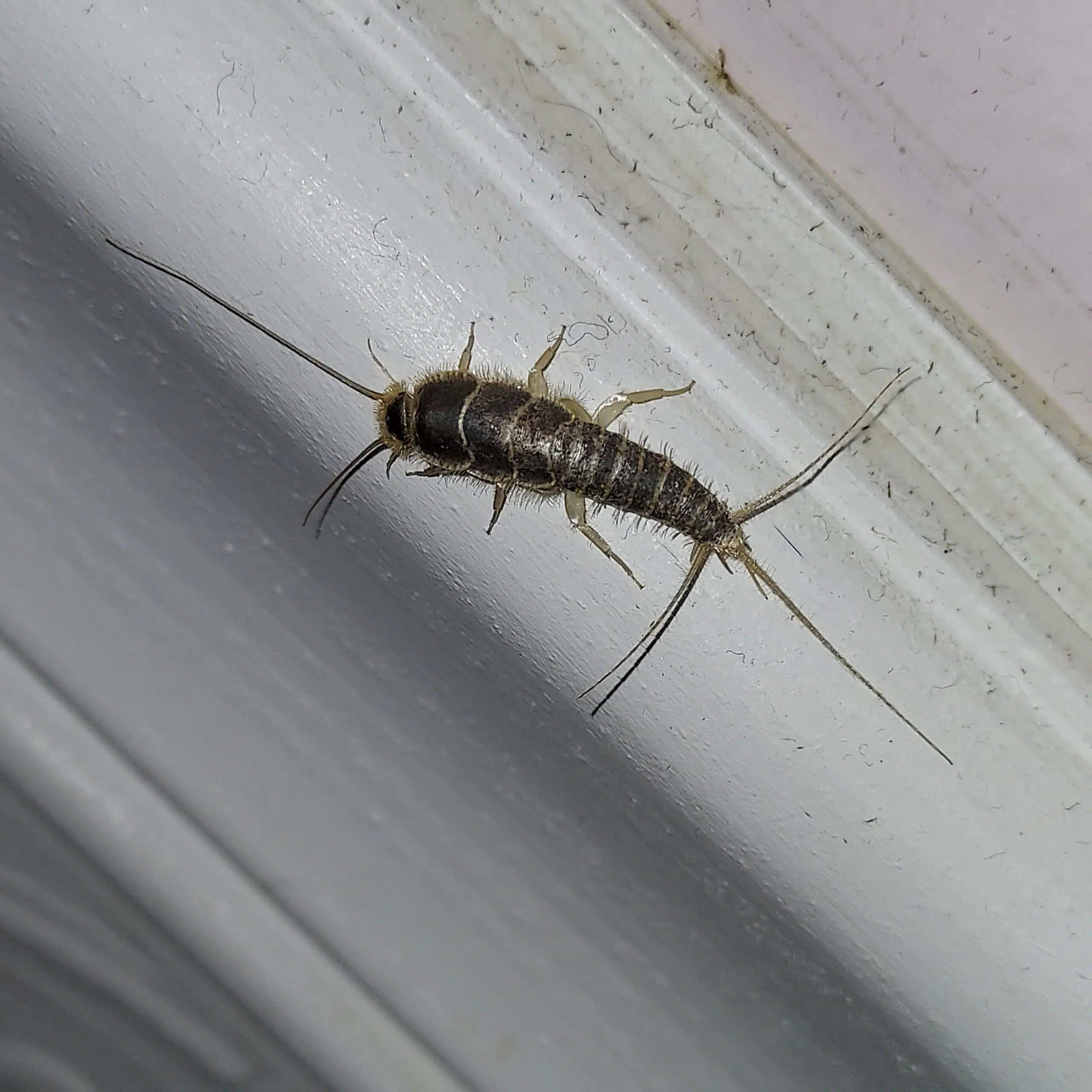
Silverfish squeeze flat bodies into hairline cracks along painted baseboards, trim, and drywall seams.
Your primary search areas should always start where plumbing fixtures meet walls. Check the shadowy voids behind washing machines, the unfinished cavities under bathroom sinks, and the recessed kickboards beneath kitchen cabinetry. These spots collect microscopic dust, pet hair, and condensation drips that go unnoticed during weekly cleaning routines.
Basements and attics serve as major residential hubs. Unfinished basements with concrete block walls frequently hold damp air against subflooring. Attics insulated with loose cellulose or packed with stacked cardboard boxes provide unending nesting material and quiet shelter.
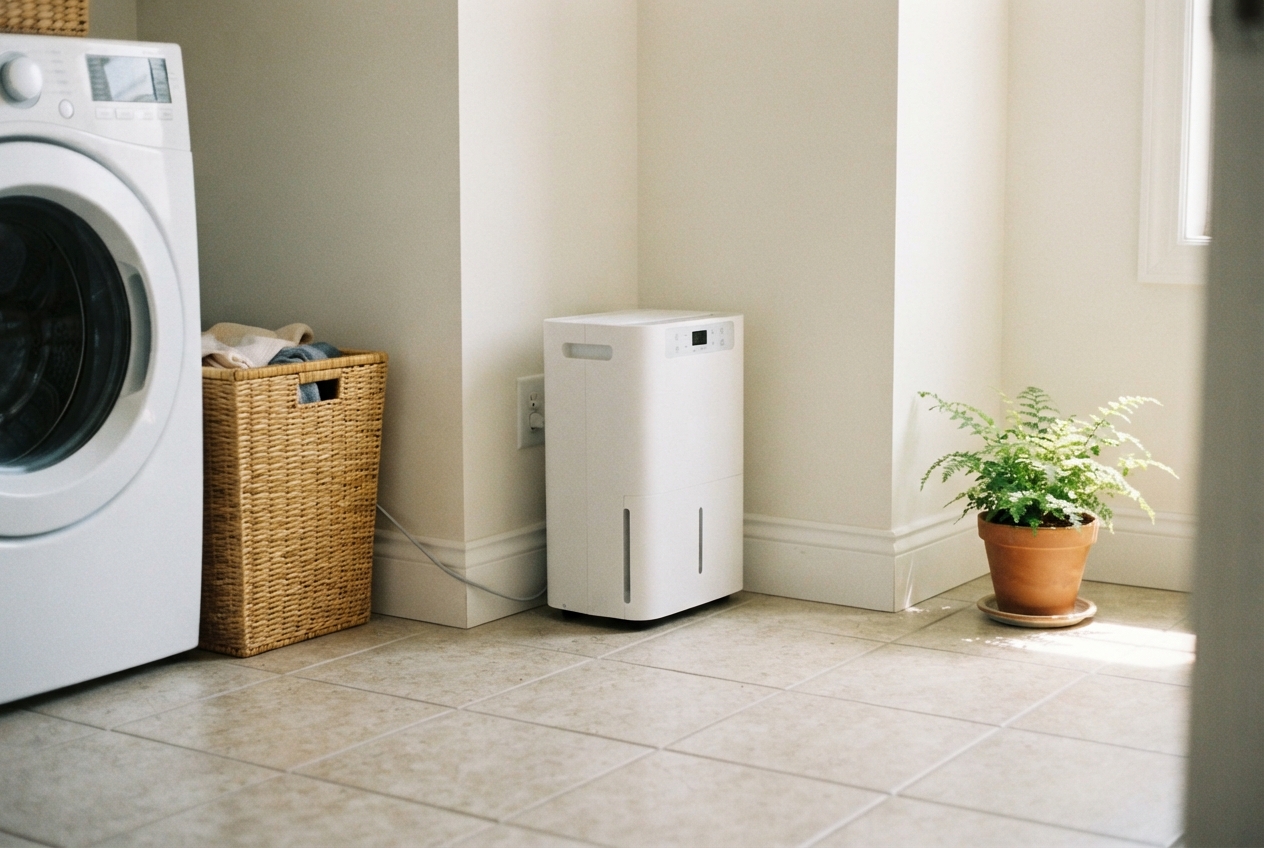
Dropping ambient indoor humidity below 50% removes the damp conditions silverfish need to survive.
Take time to inspect window sills and laundry rooms. If a bathroom exhaust fan vents moist air into an attic space rather than directly outside, or if a dryer vent hose has a minor leak, the surrounding framing turns into an incubator for silverfish colonies.
Telltale Signs of Silverfish Damage Across Your Home
Silverfish do not bite humans, nor do they carry transmissible pathogens or sting curious household pets. Their mouthparts are designed for scraping rather than chewing chunks of material, which means their damage develops slowly as surface etching. Recognizing their feeding traces early prevents costly damage to heirlooms and personal collections.
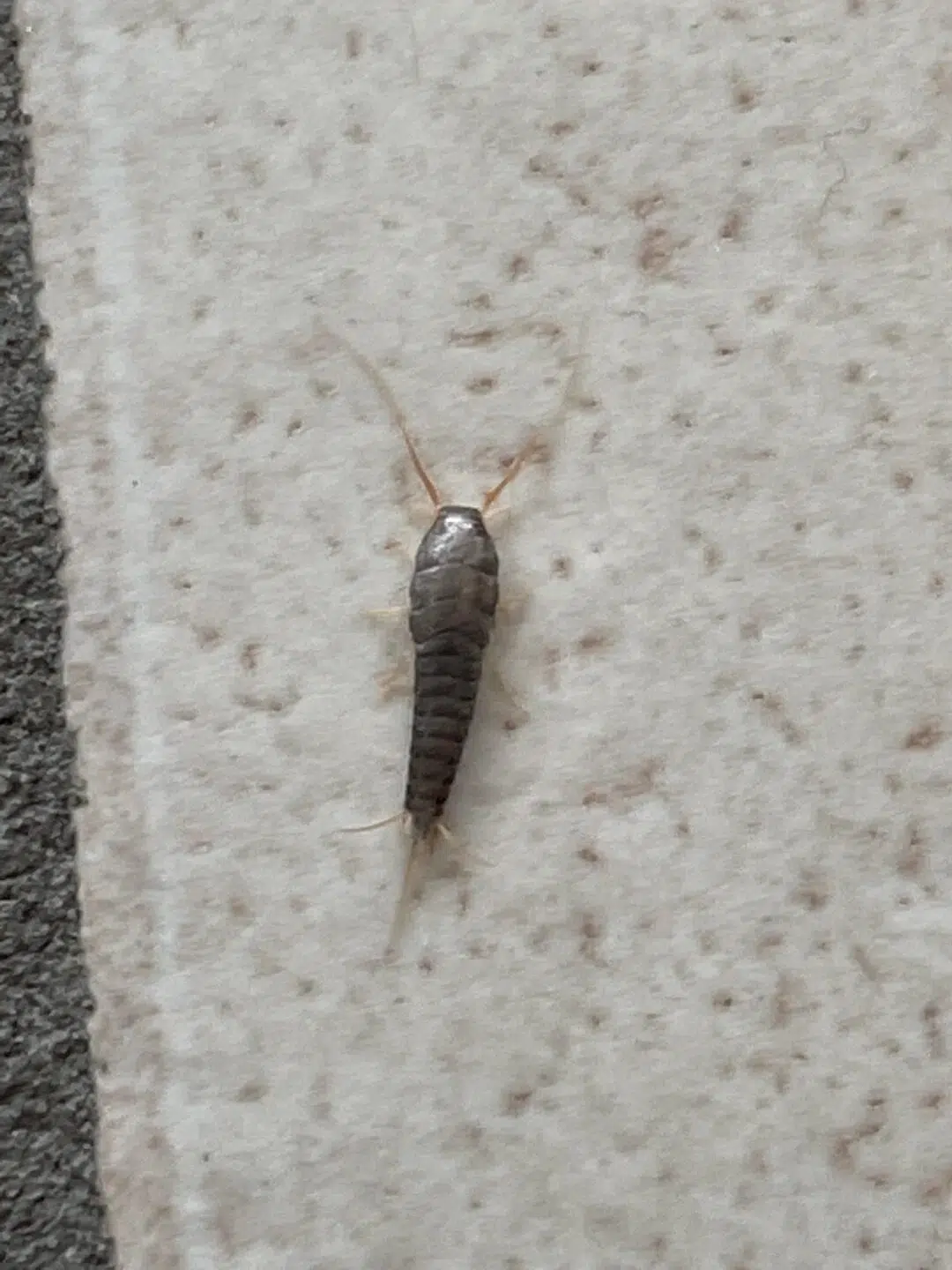
A lone silverfish navigating low-pile carpet fibers in search of book paste, starches, or shed pet hair.
Examine paper items stored in dark corners. Silverfish damage manifests as irregular, jagged holes along page margins, notched book covers, and etched patterns on glazed paper or photograph prints. If you run your fingers across an affected book cover, you can feel rough, thinned patches where the top layer of starch was scraped clean away.
Linens and clothing tell a similar story. When stored in unsealed bins in basements or closets, cotton quilts and linen tablecloths develop faint, yellowish stains accompanied by tiny feeding pinholes. These yellowish crusty spots are digestion residues left behind as the insects graze on fabric sizing.
A quick telltale sign: tiny black specks resembling freshly ground black pepper scattered along closet corners or beneath book stacks. These are silverfish droppings, often accompanied by faint, translucent scale sheaths left behind when nymphs molt into adults.
How to Get Rid of Silverfish: A Safe, Non-Toxic Eradication Plan
You do not need harsh chemical bombs or synthetic aerosol sprays to push silverfish out of your living spaces. Spraying wide-spectrum toxins around floorboards spreads chemicals near children and pets without addressing the water leaks bringing bugs inside. A targeted, physical approach works much better over time.
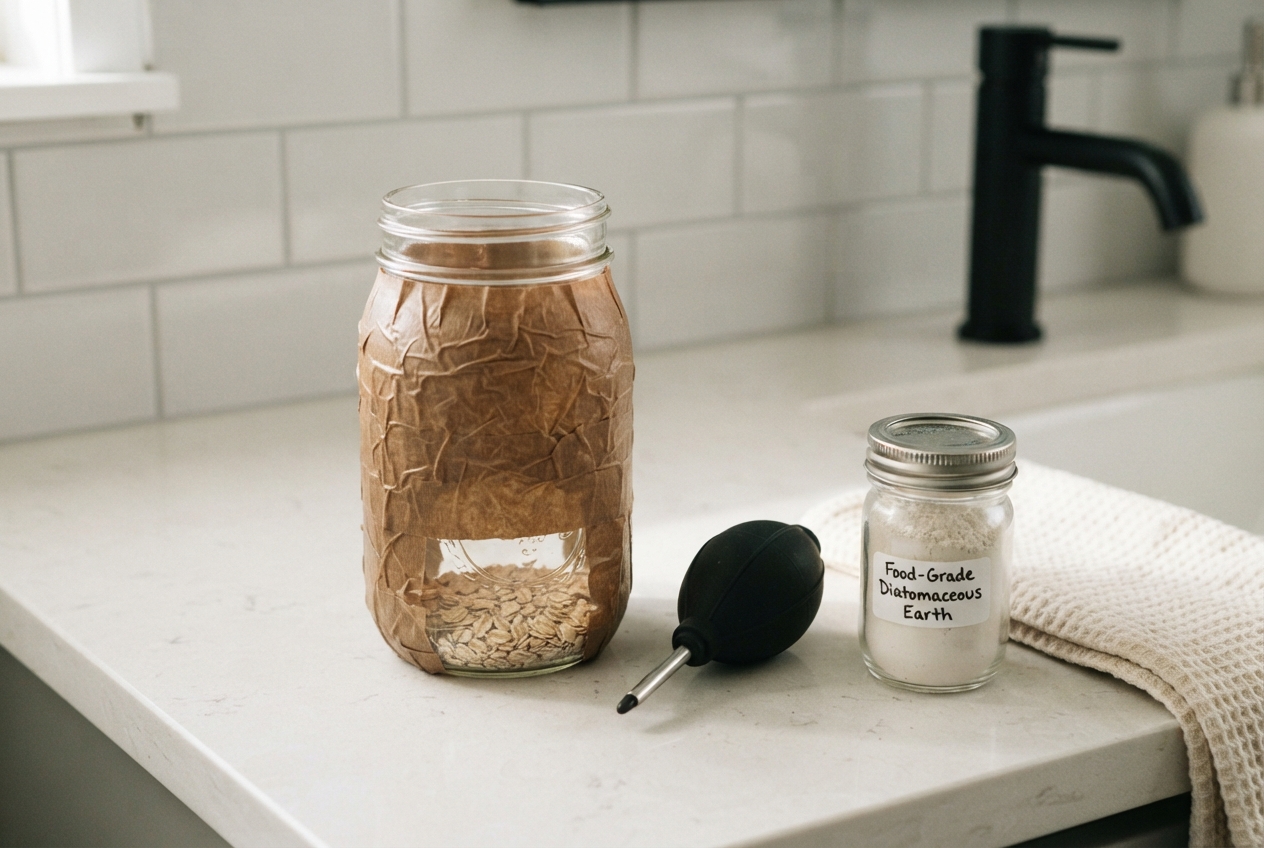
Simple non-toxic tools like taped glass jar traps and a precision powder duster make dealing with silverfish easy and safe.
1. Apply an Ultra-Fine Dusting of Food-Grade Diatomaceous Earth
Diatomaceous earth (DE) consists of fossilized, microscopic aquatic organisms called diatoms. To human hands, it feels like soft baking flour, but on a microscopic scale, each particle has razor-sharp edges that wear down the waxy coating on a silverfish exoskeleton, causing it to dehydrate naturally.
The biggest mistake homeowners make is pouring thick white lines along baseboards. Silverfish notice piles and simply walk around them. Instead, use a rubber bulb powder duster to pump a barely visible, ghostly haze into wall voids, behind kitchen kickboards, and along the back edges of linen shelves. Keep the layer ultra-thin so the insects unknowingly walk right through it.
2. Deploy Masking Tape Glass Jar Traps
You can monitor your progress with simple glass jar traps. Take a clean glass canning jar, wrap the outside exterior completely with rough paper masking tape, and leave the smooth glass interior entirely bare. Place a single dried rolled oat or a pinch of flour at the bottom.
The textured tape gives the silverfish enough traction to climb up the outside of the jar in pursuit of the grain scent. Once they slip down onto the smooth glass interior, they cannot climb back out. Set these traps along dark baseboards in bathrooms and basements overnight, then empty them in the morning.
3. Use Natural Botanical Deterrents in Closets
While aromatic botanicals won’t eliminate an active colony single-handedly, they discourage silverfish from nesting in closed wardrobe spaces and linen drawers. Natural red cedar contains aromatic oils that irritate their sensory organs, driving them away from clean textiles.
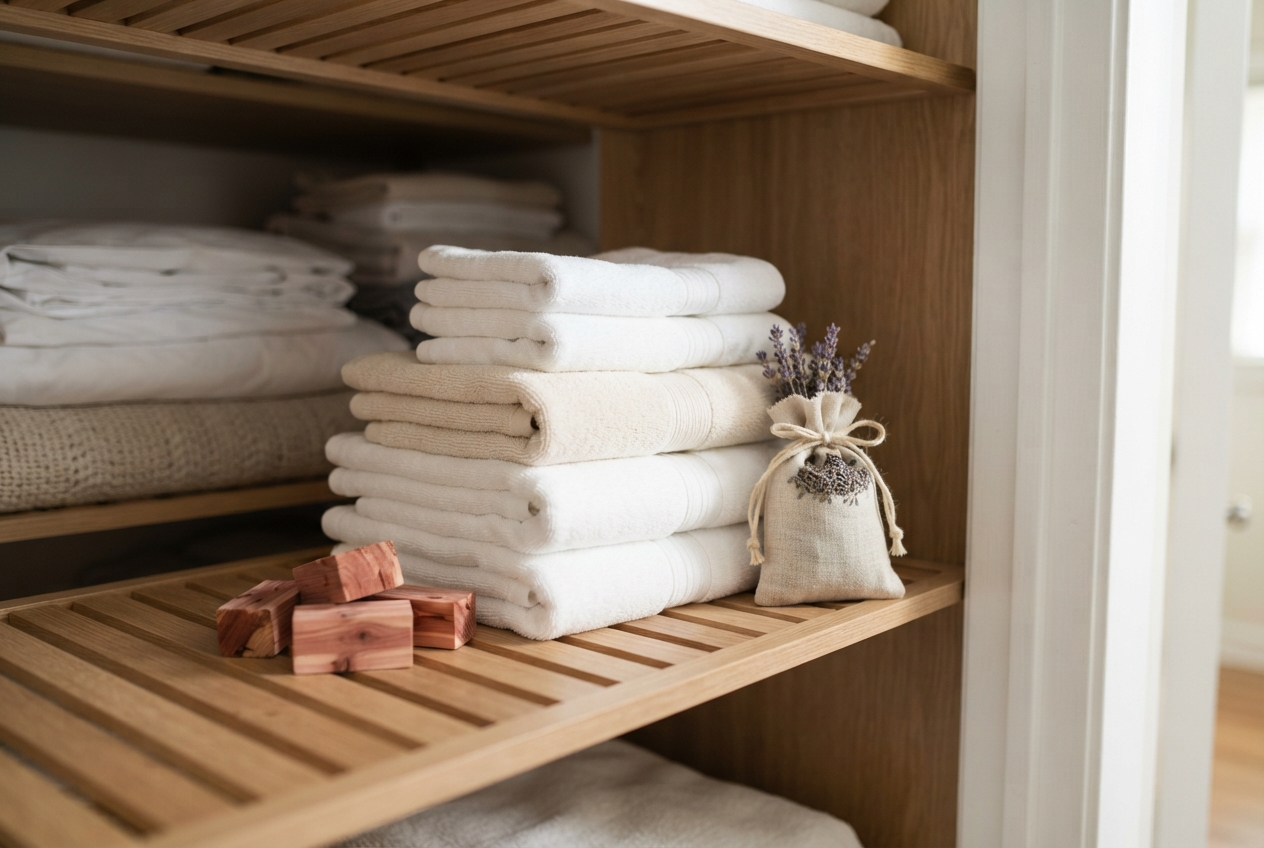
Natural cedar blocks and dried lavender sachets tuck easily between folded linens to deter silverfish from grazing on fabrics.
Tuck solid cedar balls or thin cedar blocks among stacks of folded towels and seasonal bedding. Pair cedar with breathable cloth sachets filled with dried organic lavender flowers. When the cedar wood scent begins to soften over time, lightly rub the blocks with fine sandpaper to refresh the aromatic grain.
Pantry and Wardrobe Defense: Cutting Off the Food Supply
Eliminating silverfish permanently requires cutting off their daily carbohydrate buffet. A single cardboard box holds enough starch-based adhesive to feed generations of insects. Swapping your storage habits starves them out quickly.

Storing baking flours, starches, and whole grains in airtight glass jars removes the food source that attracts pests.
Start by ditching corrugated cardboard storage containers entirely. Replace basement, attic, and closet boxes with heavy-duty clear plastic bins that feature tight-fitting rubber gasket seals. When cardboard boxes arrive in the mail with packages, unpack them promptly and move the cardboard directly to outdoor recycling bins.
In your kitchen and pantry, empty flour, cornstarch, rolled oats, sugar, and dry pasta out of their original paper bags and chipboard packaging. Store them in airtight glass jars or food-grade storage canisters with latching lids. Wipe down pantry shelves with a rag dampened in warm water and distilled white vinegar to clear lingering grain dust from corners.
Sealing Gaps and Controlling Indoor Moisture Long-Term
Controlling moisture is the true secret to keeping your home free of pests. Run a portable dehumidifier in damp basements and laundry rooms, aiming for a consistent relative humidity between 40 and 48 percent. When indoor air stays crisp and dry, silverfish cannot survive long enough to reproduce.
Always run bathroom exhaust fans during showers, letting them circulate air for at least twenty minutes afterward to pull vapor out of wall corners. If your bathroom lacks a mechanical exhaust fan, crack a window and keep the door open after bathing to encourage rapid drying.
Finally, pull out a tube of paintable acrylic latex or silicone caulk and walk your rooms at floor level. Seal the gaps where baseboards meet hardwood or tile, caulk around plumbing supply lines entering through drywall, and close tiny voids around switch plates. Removing these tight hiding tracks forces silverfish to move elsewhere.
Finding silverfish in your house might feel unsettling during a quiet midnight trip down the hallway, but it is an issue you can resolve with simple, focused changes. Dry out damp corners, store your starches in glass, apply a whisper-thin dusting of diatomaceous earth along baseboards, and you will maintain a clean, dry, and welcoming home.