
Every seasoned gardener knows the satisfying rhythm of a weekend yard cleanup. You clip overgrown apple branches, gather fallen oak limbs into a heap, and step back with a steaming mug of hot tea to admire your handiwork. Then, you call for your dog. You whistle, shake the treat jar, and scan the lawn, only to realize a pair of warm brown eyes has been watching you from the middle of the debris the entire time.
That exact scenario recently took the internet by storm when a snapshot of a sprawling garden brush pile appeared on Reddit’s popular r/FindTheSniper board. Thousands of puzzled viewers spent twenty minutes squinting at their phone screens trying to spot the hidden dog in the backyard[cite: 1]. What appeared to be a chaotic tangle of twigs and dead leaves turned out to be the ultimate camouflage hide-and-seek[cite: 1].
Visual puzzles like this do more than pass the time during a morning coffee break. They reveal how easily our eyes miss subtle patterns in our own green spaces, while reminding us of the quirky habits of our four-legged garden helpers. If you are struggling to find the pup among the brambles, or you want to know why dogs love these tangled piles so much, here is everything you need to know.
The Science of Backyard Camouflage: Why Canine Coats Vanish
Nature has spent thousands of years honing the art of blending in. While we often think of wild predators like leopards or barn owls when discussing camouflage, our domestic canine companions carry those exact same evolutionary tools in their coats.
Sporting and working breeds—especially English Springer Spaniels, Cocker Spaniels, and German Shorthaired Pointers—possess coat colors that mirror the forest floor. Rich liver browns, warm russet tones, creamy whites, and roan ticking look chaotic up close. Set against an outdoor backdrop, however, those erratic patches break up the animal’s solid silhouette.
This optical trick is known as disruptive coloration. When bright daylight filters through garden trees, it casts scattered, high-contrast shadows across the ground. A dog’s patterned fur mimics these dapple shadows and dry oak leaves so convincingly that the human brain merges the dog and the branches into a single messy background[cite: 1].
Evolutionary biologists call this background matching, where an animal’s color scheme matches the spatial scale of its immediate environment. The rough, irregular texture of a spaniel’s wavy ears looks almost identical to curled, weathered oak foliage. Because domestic dogs still retain these ancestral coat patterns, a calm, motionless dog can practically vanish into a yard corner without trying.
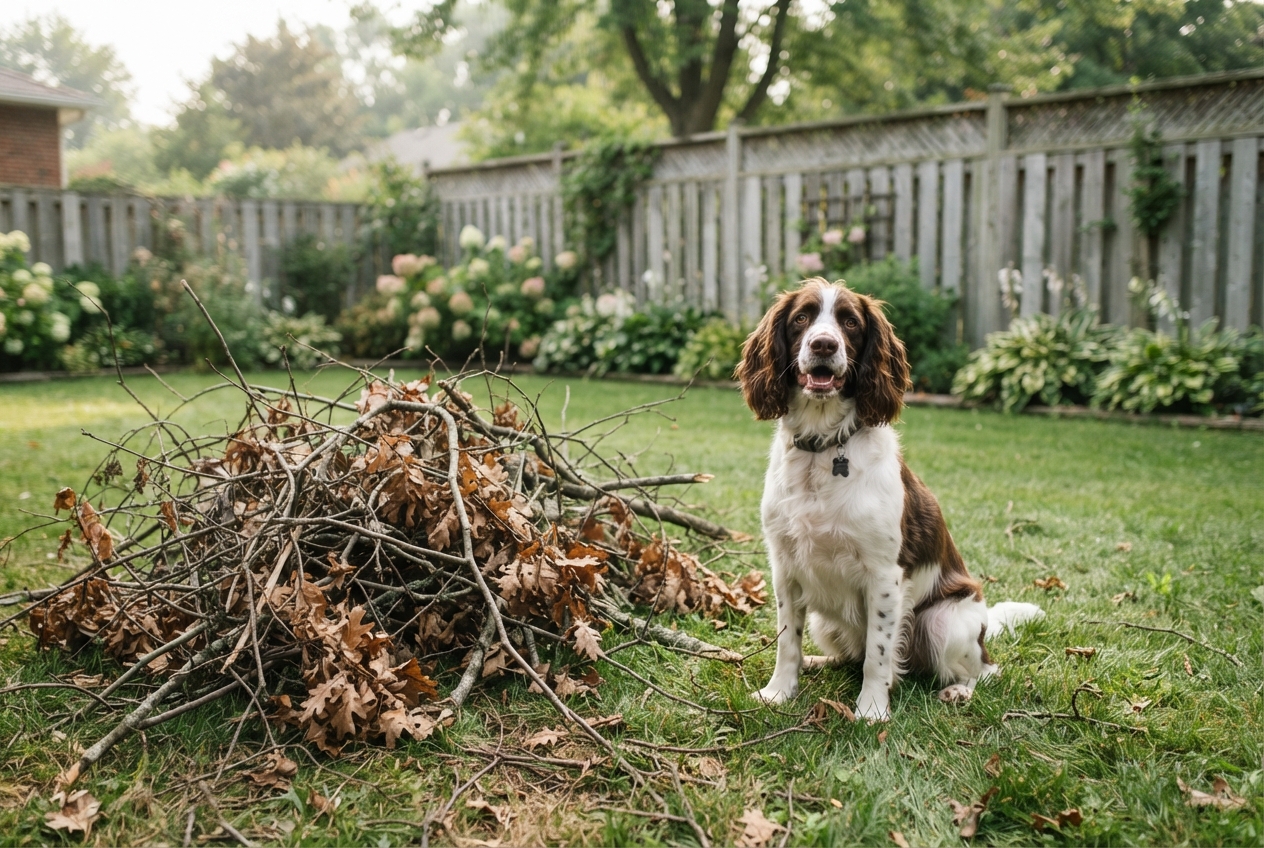
Spaniel coats feature rich liver and chestnut tones that match garden brush and autumn foliage with uncanny precision.
Tips to Spot the Hidden Dog in the Backyard in Seconds
When an image like this stumps thousands of viewers, the culprit is usually our natural scanning habit[cite: 1]. Most people search a photograph by letting their eyes bounce rapidly from corner to corner. In a dense thicket of crisscrossing sticks, that wandering approach floods the brain with visual noise and leads to instant frustration[cite: 1].
Instead of frantic scanning, adopt a disciplined grid system[cite: 1]. Mentally slice the image into four equal quadrants and inspect one section at a time[cite: 1]. Move slowly from the center outward, because photographers almost always frame their subject near the middle of the shot, even when trying to hide them[cite: 1].
Another clever trick is to ignore the branches and search for organic curves. Twigs and pruned limbs produce hard, jagged lines and sharp angles[cite: 1]. A dog’s body, on the other hand, consists of soft curves: the arched rim of a flopped ear, the dark circle of a wet nose, or the soft bend of a furry shoulder.
If you still need a gentle nudge without giving away the entire surprise, train your eyes slightly to the left of the image center[cite: 1]. Look just beneath the upper layer of tangled branches, right where the darker bark meets dry leaves[cite: 1].
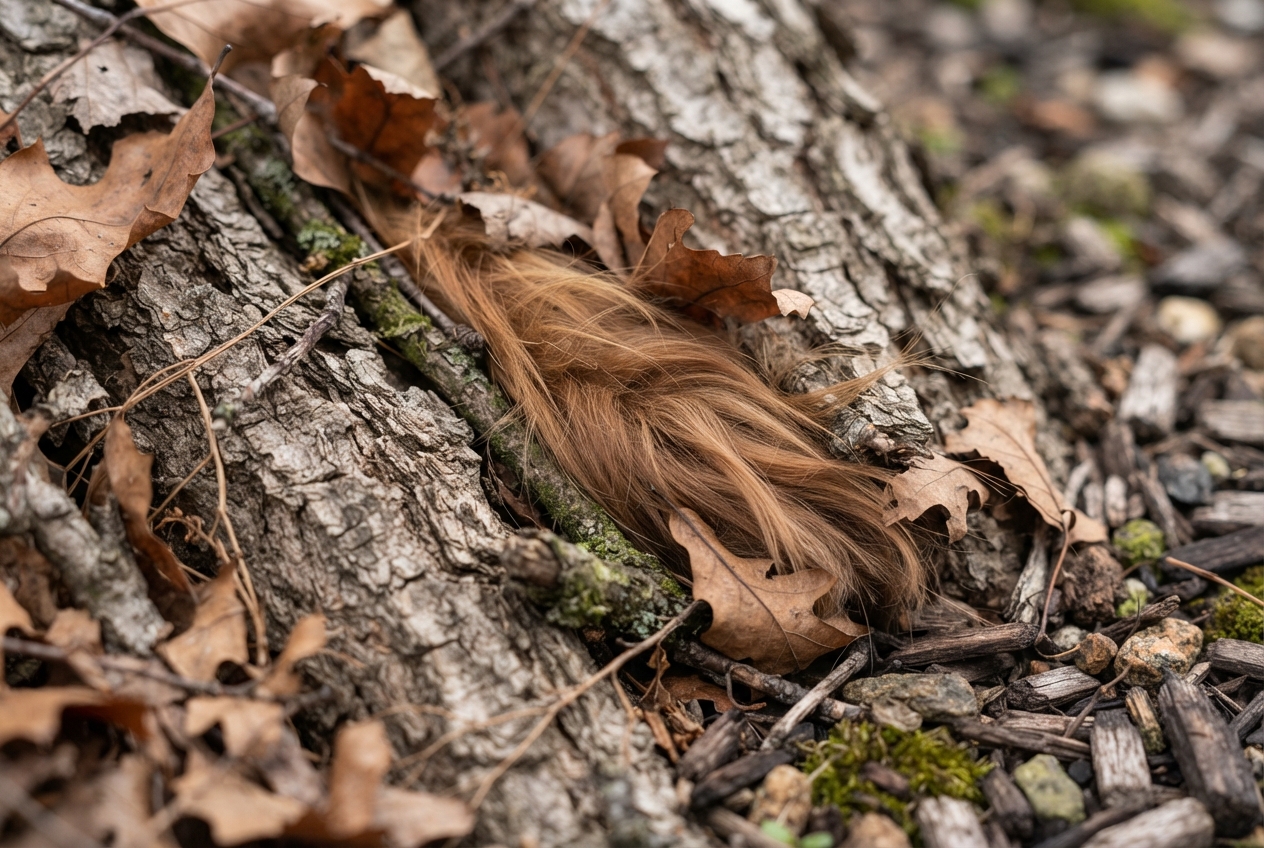
Disruptive coloration breaks up solid outlines, making it tough for the human brain to detect edges amidst fallen branches.
Why Dogs Are Naturally Drawn to Garden Brush Piles
If you own a sporting dog, you have probably watched them scramble nose-first into a mound of yard trimmings the second your back is turned. This behavior is not just goofy mischief; it is rooted deep in their ancestral instincts.
Working breeds were bred to flush out game from thick hedgerows, bramble patches, and marshy thickets. A pile of fresh yard cuttings smells like an exciting wilderness playground. It carries the rich, earthy scent of damp bark, bruised sap, and tiny critters like field mice or garden toads that may have darted underneath for shelter.
Brush piles also provide a cozy temperature regulator. On warm afternoons, the ground beneath a deep mound of branches stays cool, shaded, and damp. Dogs will happily dig a small hollow between the limbs to escape the afternoon heat, creating an impromptu den where they feel safe, sheltered, and completely hidden from view.
There is also a tactile satisfaction that dogs get from brittle wood. Grabbing a crunchy twig or gnawing on a green branch cleans debris from their teeth and relieves boredom. To a dog, your weekend yard cleanup pile looks like an enormous, free toy chest waiting to be explored.
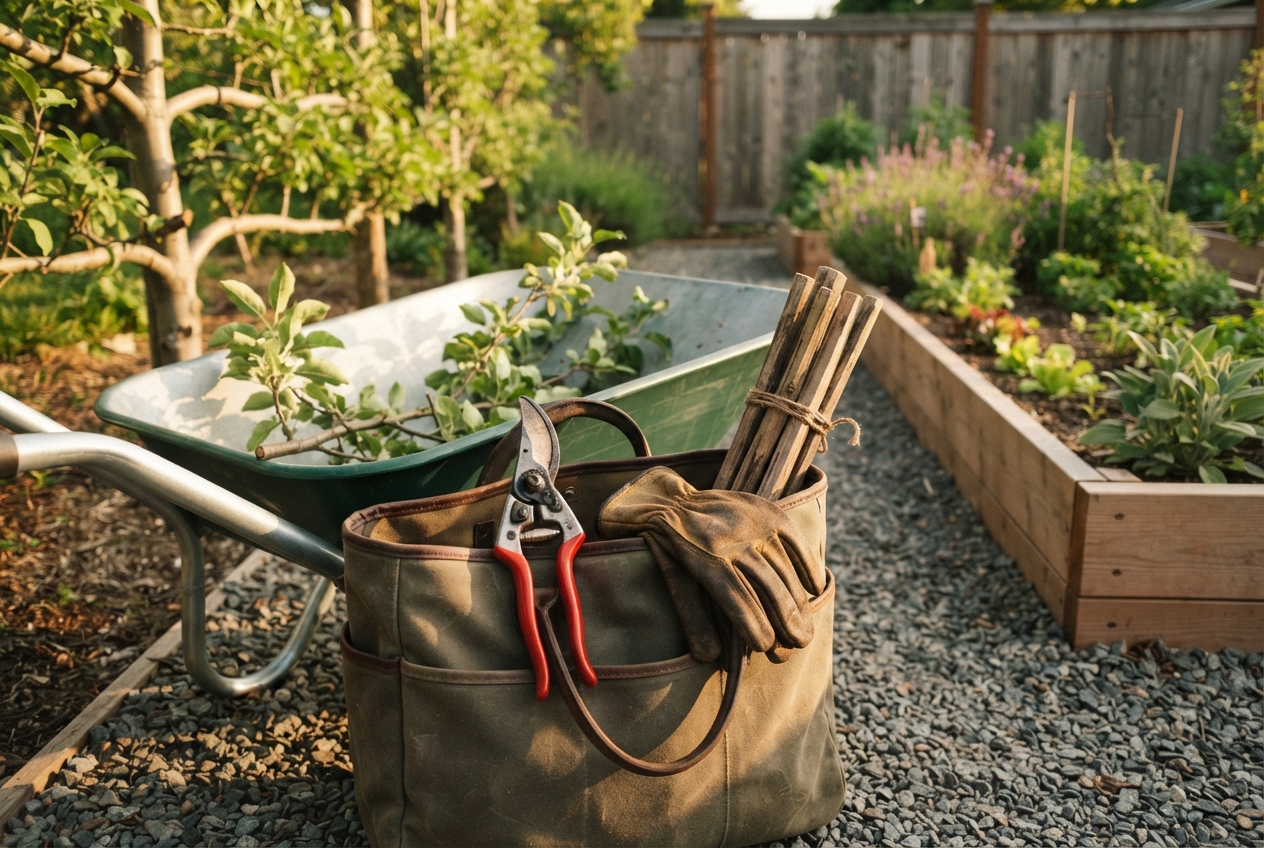
Keeping yard pruning piles organized protects playful pets from hidden branch snags and sharp garden debris.
Yard Safety: Protecting Paws and Eyes Around Pruning Piles
While watching your pup play hide-and-seek in the yard is charming, unmanaged brush piles present genuine hazards for curious pets. As homeowners and gardeners, keeping our yards safe requires a little proactive management before let-loose playtime begins.
Dried oak twigs, rose canes, and blackberry brambles can easily snap into sharp spears. When a dog burrows through the thicket, brittle twigs can cause corneal scratches or puncture delicate paw pads. Eye injuries in active dogs frequently stem from charging through low, jagged branch piles.
Brush piles also serve as prime real estate for unwanted pests. Ticks thrive in cool, humid pockets of leaf litter, waiting to hitch a ride on passing fur. In late summer, yellowjackets and ground bees frequently build nests inside undisturbed wood piles, which can result in painful stings if your dog stomps on them.
To keep your yard secure, consider these practical pruning habits:
- Stack trimmings high on pallets: Keeping cuttings lifted off the damp ground discourages ground-nesting insects and prevents small animals from nesting underneath.
- Chip branches promptly: Turn yard limbs into fine wood mulch using an electric garden shredder rather than leaving loose piles sitting for weeks.
- Establish temporary barriers: Use lightweight mesh fencing around working areas while clearing heavy timber or thorny berry vines.
- Conduct a post-play paw check: Run your hands down your dog’s legs and inspect between their toes for small splinters, burrs, or embedded ticks after yard time.
Designing a Pet-Friendly Yard That Stays Beautiful
Creating an outdoor space that accommodates a high-energy dog does not mean giving up your dream garden. With a few thoughtful adjustments, you can maintain lush garden beds while giving your pet the freedom to roam and explore safely.
Start by trading delicate perennial borders for sturdy, pet-resilient shrubs. Viburnum, boxwood, and sturdy ornamental grasses hold up remarkably well against energetic tail wags and accidental tumble-ins. Frame your flowerbeds with smooth river stone edging rather than flimsy plastic borders, which can crack and cut running paws.
Dedicate a designated comfort zone for your dog near your favorite outdoor seating area. A raised weather-resistant cot or a soft cedar deck pad placed under the shade of a patio umbrella gives your dog an inviting spot to rest. When pets have their own cozy spot to relax, they are far less likely to burrow into your fresh mulch or hide inside a pile of branches.
Add a clean water station nearby with fresh cold water infused with a few cucumber slices or fresh mint sprigs. Keeping your companion cool, hydrated, and occupied keeps them away from freshly cut brush piles and makes backyard afternoons enjoyable for everyone.
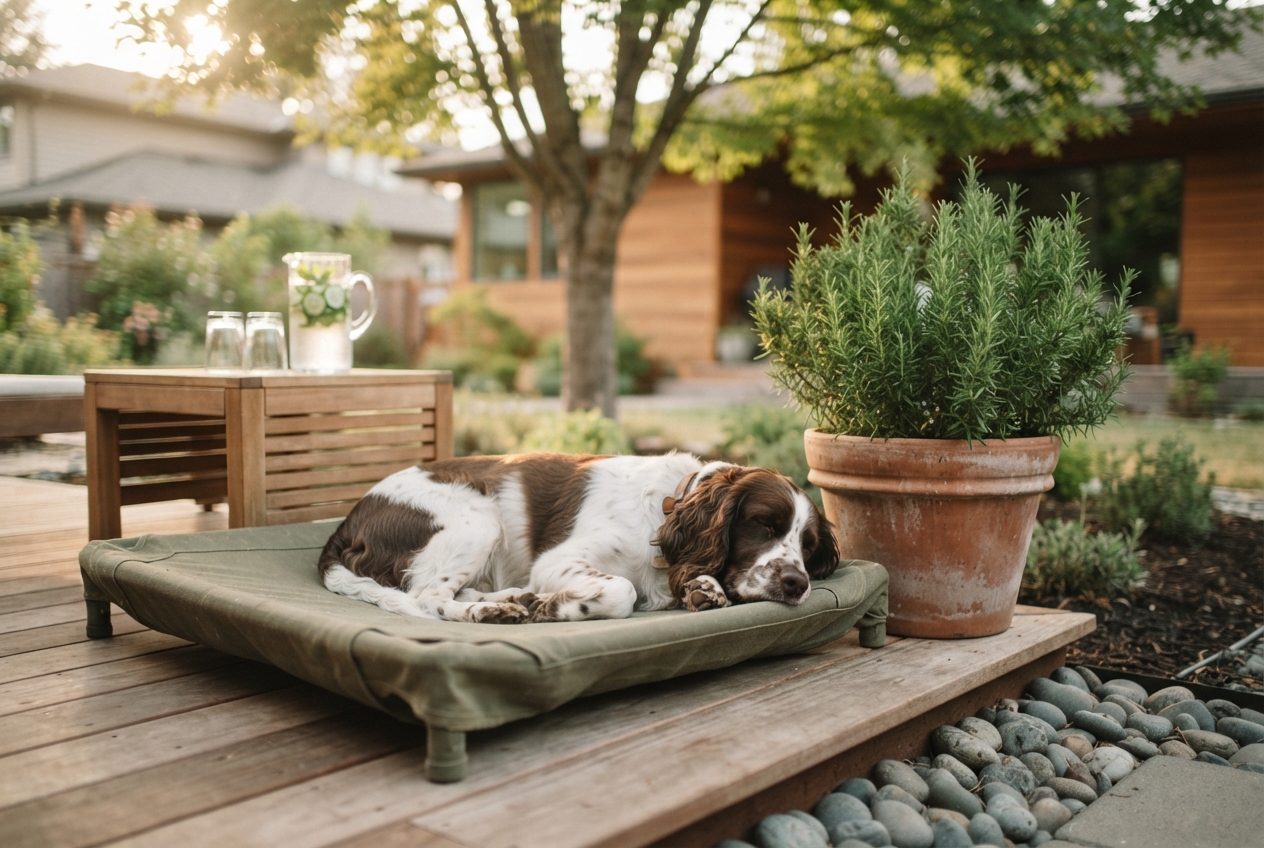
Creating a dedicated dog lounge on your patio gives pets an inviting retreat away from messy garden clippings.
Visual challenges like the hidden spaniel remind us how vibrant and surprising our backyards can be[cite: 1]. The next time you step outside with your pruning shears or pause to enjoy an iced lemon tea on the porch, take a second look around your garden beds.
Whether you managed to spot the hidden dog in the backyard within five seconds or needed a few hints to track down those floppy brown ears, it shows the sheer brilliance of canine camouflage[cite: 1]. Our pets have a special way of turning everyday garden chores into memorable moments of curiosity and laughter.