Should Adults Be Allowed to Order Kids’ Meals?
I wanted the grilled cheese. Not the brioche-and-fancy-mustard version. The square one from the kids’ page, possibly cut into triangles, with apple slices or a small pile of fries. I’d had a long day. That was the food that sounded like a hug.
The server looked at me the way people look at someone who asked to borrow a sweater off their back. “That’s for kids only.” Cool. Apparently grilled cheese now has a birthday cutoff.
If you’ve ever been quietly hungry—not lumberjack hungry—you already know this fight. Adults order kids meals for the same unglamorous reasons they buy the small laundry detergent: the big one is waste. Appetite changes. Medications flatten hunger. A Tuesday lunch does not need a platter. And yes, the price on that little box is still sitting there like a dare.
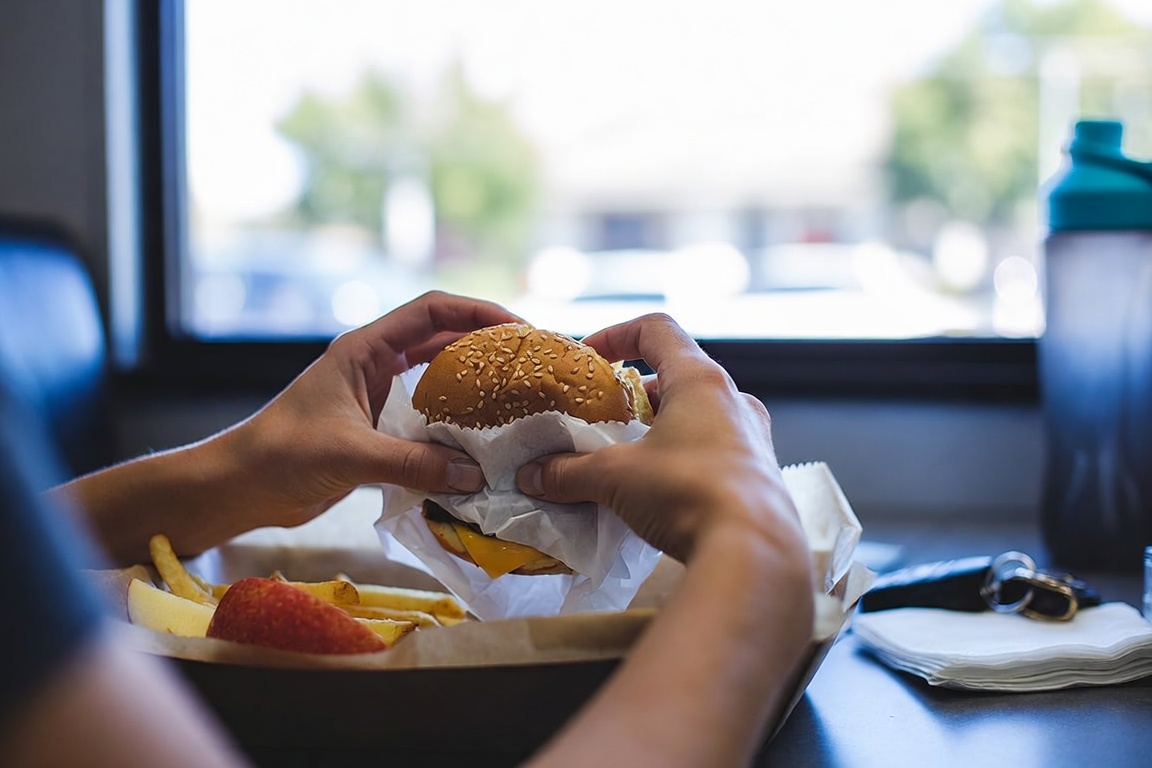
Sometimes the “kids” plate is just the right amount of food for a person who already ate breakfast.
Why grown people keep eyeing the kids’ page
Start with volume. A lot of adult entrees are built for share-or-suffer. You take three bites of something expensive, push the rest around, and call it dinner. That’s not sophistication. That’s leftovers you didn’t ask for.
Money is not a side note. Fast food tickets creep. Sit-down plates do too. A kids’ burger-and-side combo can still land in a range that feels like 2018. If you will actually finish it, the “cheap” option is the honest one.
Then there’s the food itself. Chicken nuggets. Butter noodles. Plain grilled cheese. PB&J. These are low-drama plates. No microgreens performing. No sauce that needs a caption. Comfort has a texture: soft bread, warm cheese pull, the salt of a fry you didn’t have to commit to a whole carton of.
Households notice this most on school nights and solo lunches. You’re feeding a kid the small meal and realizing your own stomach wants the same size. Sharing off their plate feels worse than ordering your own. So you ask. Sometimes you get a yes. Sometimes you get the sweater look.
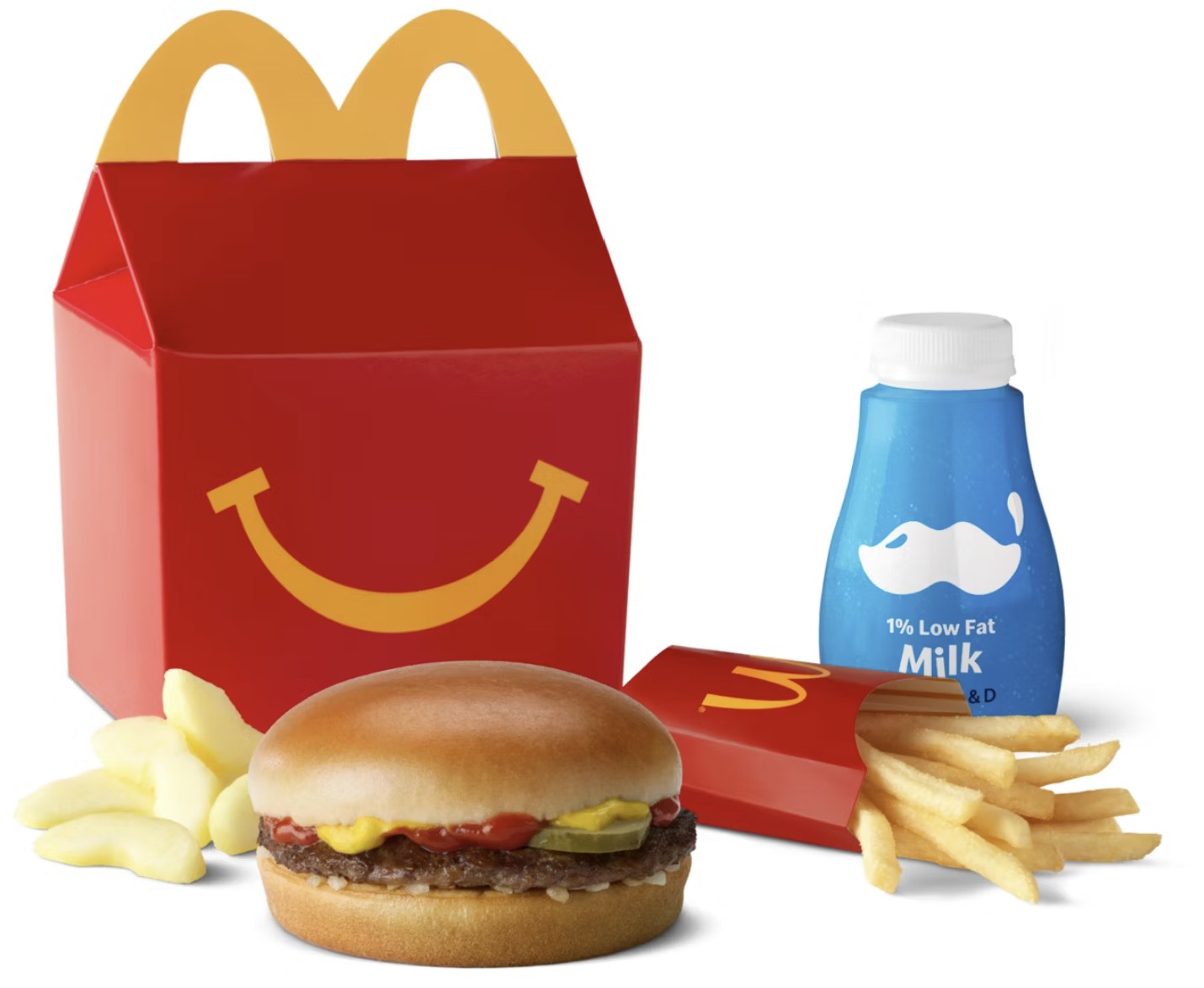
The boxed kids’ meal most of us still picture: small burger, fries, fruit, and a drink that doesn’t require a second stomach.
It’s not only nostalgia
Nostalgia sells toys and limited boxes. Everyday ordering is duller. Smaller hunger. Smaller fridge space. A person who already packed lunch and just needs a hot something on the way home. A grandparent who doesn’t want to waste half a steak. Someone whose stomach has been unpredictable for months.
None of that is a personality flaw. It’s portion matching. Restaurants already sell “small plates” and “light bites” when they want the same customer without the cartoon mascot. The kids’ menu is often the same idea with different art.
Why restaurants flinch when you ask
They are not inventing meanness for sport. Kids’ meals are priced as a family hook. Low margin on purpose. The math works when a paying adult also orders a full plate. It wobbles when the table is three adults and three kids’ combos.
Consistency is the other headache. If one server says yes and the next says no, reviews get loud. Kitchens already juggle substitutions. “Can I grill the nuggets, swap fruit for fries, and put it on a gluten-free bun?” is a toddler custom build during a rush. You can see why a manager writes a blanket rule.
Sit-down spots feel this more than drive-thrus. A laminated kids’ page with an age line (“12 and under”) gives the server something to point at. Fast-food counters and apps are messier. The button exists. Somebody will press it.
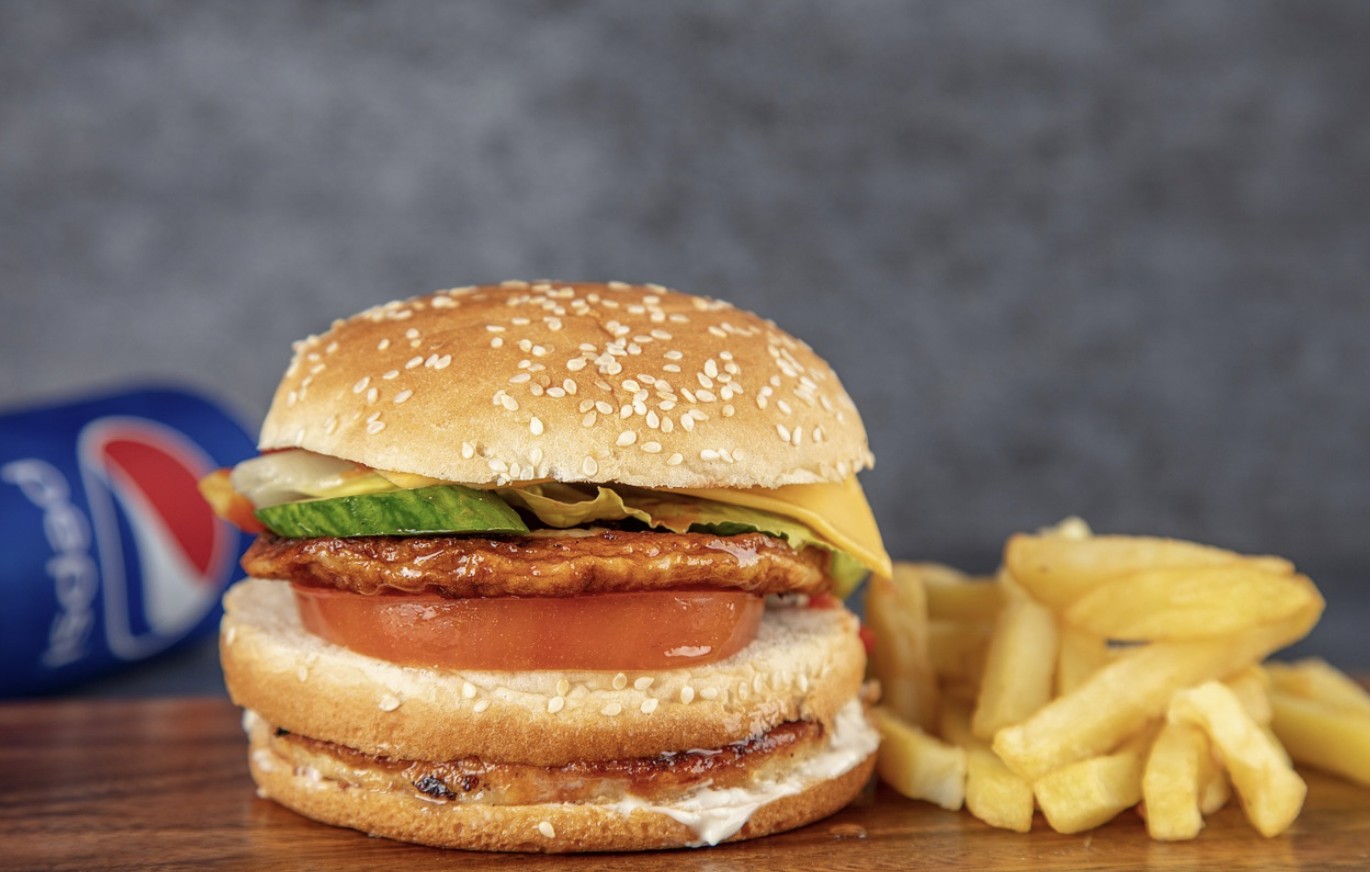
A full-looking sandwich and fries can still be more food than you wanted on a Tuesday. That’s the whole argument in one photo.
Sit-down houses vs. the drive-thru
Independent diners and family chains vary by shift. Some will sell you the grilled cheese if you pay a small upcharge. Some will not, especially on the phone, because they assume the “kid spaghetti” is an adult workaround.
Drive-thru and app orders skip the eyebrow. The screen does not ask your age. That doesn’t make it a secret handshake. It means enforcement is local: franchise habits, toy inventory, and whether the manager is standing there.
If you want the least awkward path, be plain. “I’d like the kids’ grilled cheese and apple slices, please. Happy to pay the adult drink price if that’s the house rule.” Humor helps. Entitlement does not. You are asking for a product they printed on a menu. You are not demanding a bounce-house wristband.
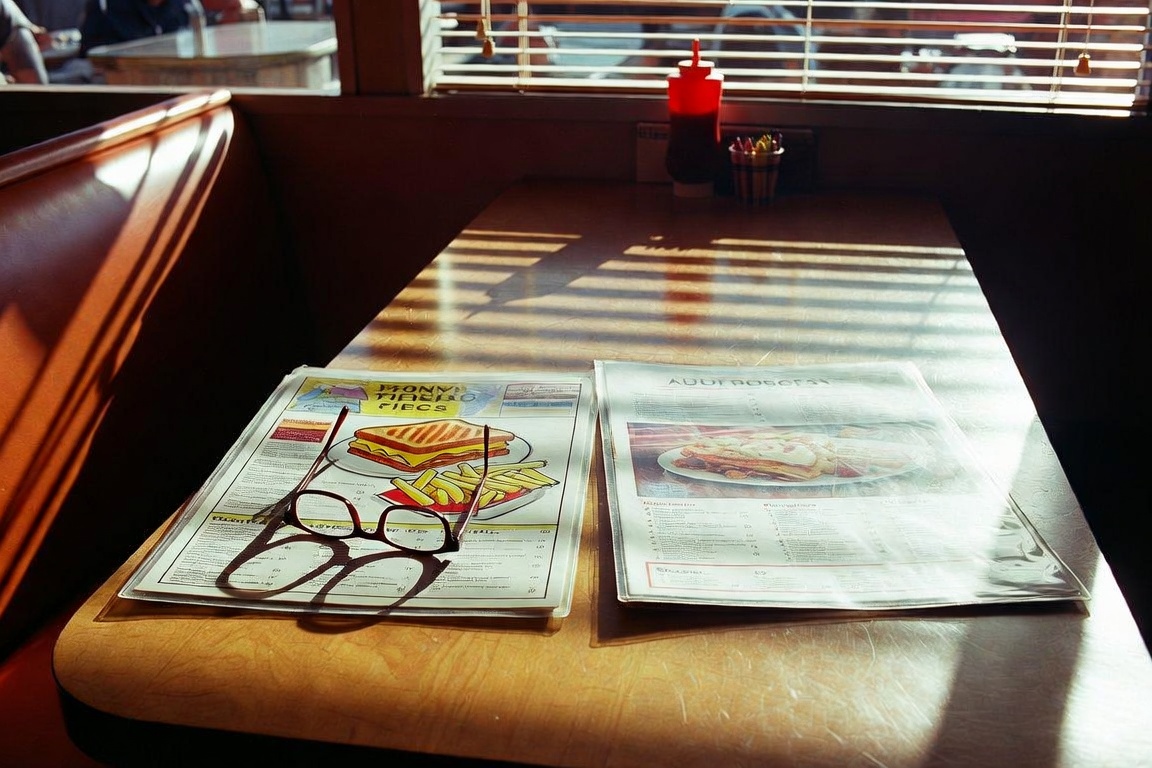
The fork in the road: the plate you want versus the plate you think you’re supposed to order.
The social side-eye we pretend isn’t there
Past a certain age, simple food starts to feel like a demotion. You’re supposed to want the reduction. The bone-in thing. The plate that photographs like a decision. Ordering nuggets can feel like failing a test nobody scheduled.
That test is nonsense. Wasting half a $24 entree is not more adult than finishing a $7 plate. Dignity is not measured in ounces of protein. If the food is what you will eat, order the food you will eat.
A middle path already exists in a lot of dining rooms: smaller plates, lunch portions, “for two to share” that you don’t share. Use those when the kids’ page is locked. Use the kids’ page when it isn’t. Either way, you are allowed to be a person with a modest appetite.
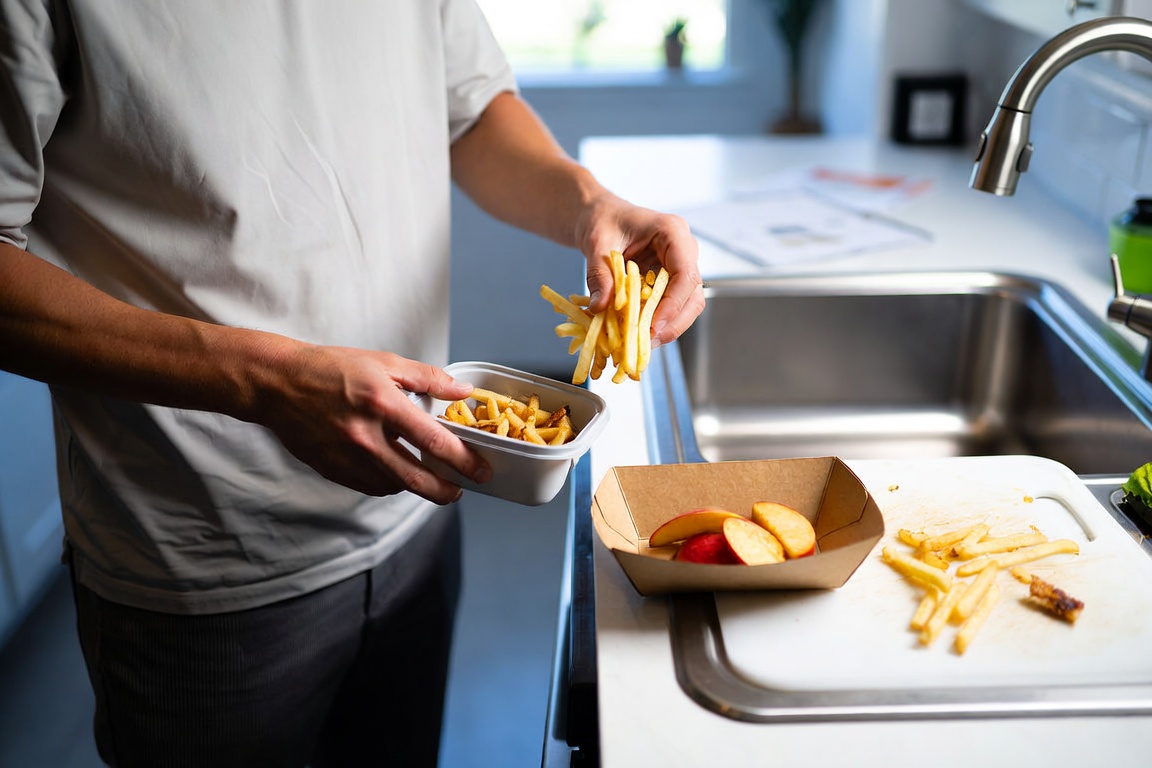
The quiet win: a meal you finish, plus a snack for later, without a mountain of leftovers.
How to ask without making it weird
Read the menu first. If it says “ages 12 and under,” that’s the house line. You can still ask once, kindly. Accept the answer.
Offer the easy compromises restaurants already use: adult beverage, extra dollar on the sandwich, no toy. Skip a laundry list of swaps during peak hours.
Apps and pickup can be smoother than a packed Saturday night dining room. Still treat staff like people running a business, not a vending machine with feelings.
If the answer is no, order the smallest adult plate or split something. The goal is dinner, not a principle.
What major chains tend to do (and why you must check them yourself)
There is no single national law that says an adult cannot buy a kids’ combo. There are brand habits, franchise rules, toy-supply policies, and servers following the last memo they got.
McDonald’s Happy Meals are widely sold to whoever walks up, with periodic limits aimed at toy hoarding rather than age. The company has also run limited “adult” boxed meals in some markets; those come and go. UK restaurants have published fair-ordering guidance so toys don’t vanish in a weekend. Your store can still say no to a pile of boxes that look like resale, not lunch.
Burger King King Jr. meals show up in apps without an age gate at many locations. Some stores will swap the toy for a small dessert. That is a local courtesy, not a constitutional right.
Wendy’s and Chick-fil-A kids’ meals are commonly rung through for adults at the counter, especially if you skip the toy or pick the fruit. Chick-fil-A toy-for-ice-cream trades are a known kids’ perk; adults using that deal should expect a human to notice.
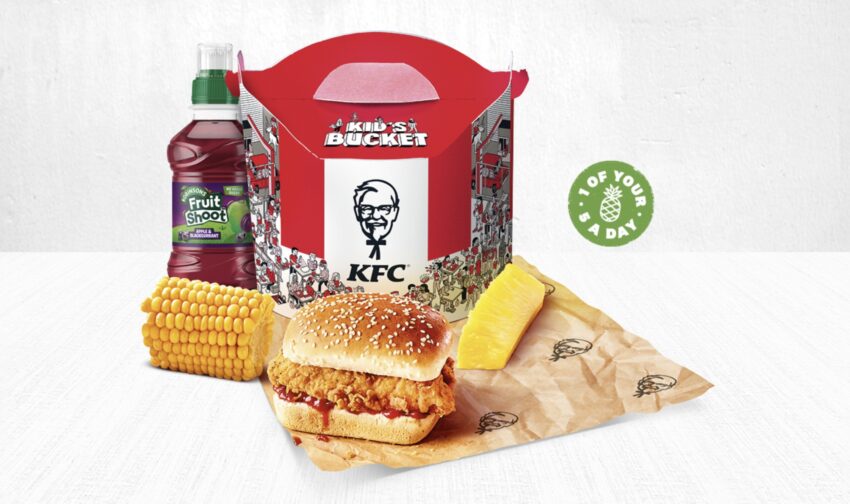
KFC kids’ boxes and “kids’ buckets” (names vary by country) are portion plays: a sandwich or nuggets, a small side, fruit, a drink. Availability and naming change by region.
Taco Bell dropped a dedicated kids’ menu years ago in the U.S. Subway still sells Fresh Fit for Kids-style builds in many stores. Sit-down chains such as Olive Garden, Texas Roadhouse, Applebee’s, and Chili’s often print an age line. Enforcement is the wild card: some locations smile, some hold the line, some only flex on takeout.
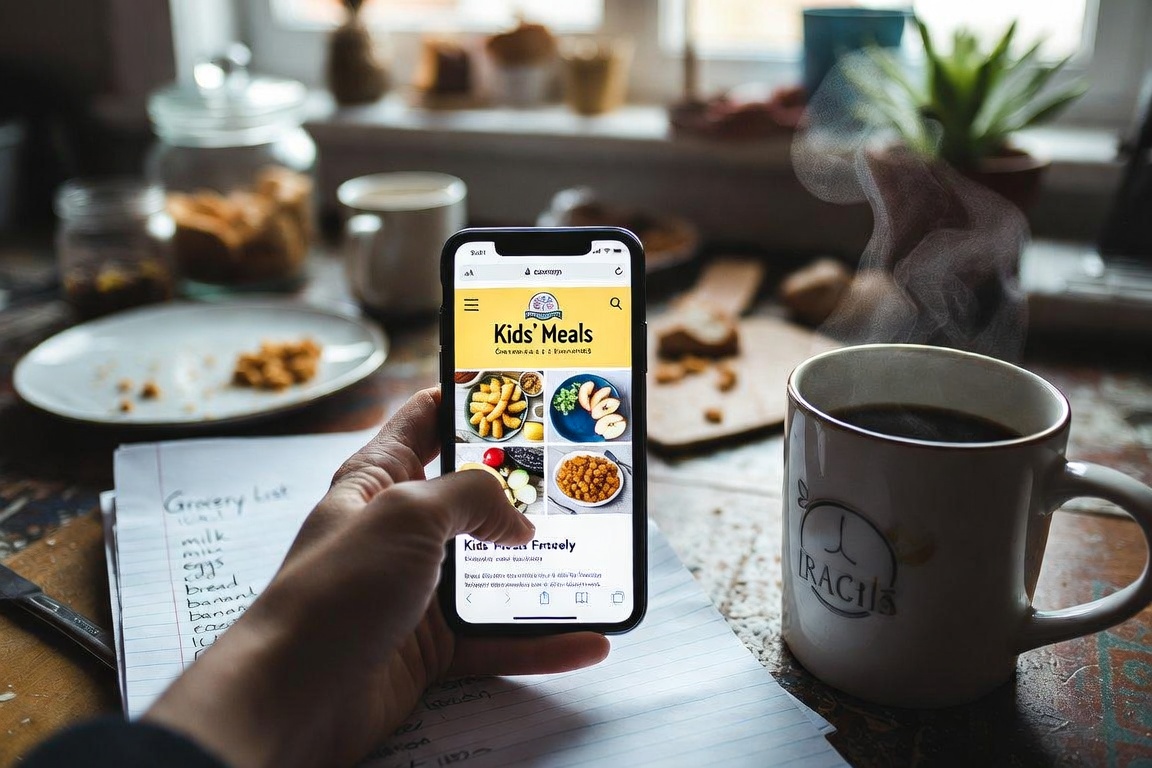
Policies live on the official site and at that specific register—not in a viral thread.
Updated reminder: every chain writes its own rules
As of the time this was written, policies still differ by brand, country, franchise, and even by shift. McDonald’s, Burger King, Wendy’s, Chick-fil-A, KFC, and the big sit-down families update menus, toy programs, and age language on their own sites and apps. A blog cannot see the sign on your local door.
Do not use this article to make a purchasing decision. Check the official website or app for that chain, then confirm with the restaurant you are standing in. Prices, portion rules, toy limits, and “kids only” lines change. The person at the register has the current answer. If they say no, that’s the rule for that meal—not a referendum on whether you are allowed to like grilled cheese.
So… should adults be allowed to order kids’ meals?
Yes, when the kitchen can do it without breaking the pricing model they built for families. Yes, when the menu doesn’t print a hard age cap. Yes, when you will finish the food and you’re not stripping the toy case for resale.
Should adults be allowed to order kids meals everywhere, every time, with a custom build and a lecture attached? That’s how you get the weird look. Restaurants are allowed to protect a loss-leader. Guests are allowed to want a small, beige, excellent sandwich.
Post the rule on the menu. Charge a little more if you need to. Skip the shame. Some days the right dinner is the one that comes with apple slices and zero performance. If that’s what you need, ask once, kindly—and if they slide the little plate across, eat it while it’s hot.