My grandmother always said the toilet was the magic vanishing act of the house. Flush, and *poof*, things disappear. While that logic may have been quaint, it’s also a recipe for a truly unpleasant—and expensive—plumbing disaster. Modern life has filled our homes with seemingly harmless items that are absolute nightmares for wastewater systems.
Trust me, I’ve had that panic-inducing moment when the water level rises relentlessly toward the rim, and let me tell you, that gurgling sound is *not* a good sign. Preventing these overflows isn’t just about avoiding a messy clean-up; it’s about deep respect for our homes, our community systems, and our budgets. It’s time we look past the convenient flush and embrace truly plumbing-friendly bathroom habits.
It’s surprisingly common to treat the toilet like a multi-purpose waste bin. We’re busy, and it’s *right there*. But understanding why a short list of items—human waste and toilet paper—is the *only* thing designed for the ride is the first step. Pipes narrow, bend, and rely on gravity. Things that seem small can combine into monster clogs further down the line.
The Synergistic Clog Effect: Where Small Habits Build Fatbergs
We need to talk about fatbergs. You’ve heard the term, maybe seen pictures that make you slightly nauseous. But *how* do they form in a modern sewer system? The problem is rarely one single flushed wipe or a lone glob of grease. It’s the cumulative effect of seemingly minor choices combining into a stubborn, impenetrable mass. Grease cools and coats pipes, trapping fibers like hair and dental floss, which in turn catch paper towels, hygiene products, and *especially* “flushable” wipes. Those wipes are the tenacious binders in this disgusting recipe.
Thinking about how the simple act of flushing a cotton ball, some hair from a brush, or a used makeup pad contributes to a city-wide sewage overflow makes you pause. It’s the interaction of *all* these items that creates a ticking time bomb inside our walls and streets. Real plumbing protection requires addressing each element, starting with the most deceptively named product: the “flushable” wipe.
The Great “Flushable” Myth (and Its Clammy Truth)
There’s perhaps no bigger marketing misnomer in the personal care aisle than “flushable wipes.” Manufacturers use clever language, but the simple fact is that *most* of these wipes do not disintegrate in water anywhere near as quickly as toilet paper does. Toilet paper is designed to break down into individual fibers almost immediately. Wipes are typically made of stronger materials, sometimes containing plastics or synthetic fibers, explicitly designed for strength during use.
Flushing them regularly is essentially putting indestructible cloth napkins into your plumbing. They may disappear from the bowl, but they travel along until they hit a bend, snag on a roughness, or meet up with some congealed grease. Then they start collecting more debris. It’s a fast track to blockages that require expensive, messy interventions from professionals.
Rethinking Waste: What *Really* Goes Down (and What *Actually* Stays Out)
Let’s move beyond the obvious clogs and get specific about modern life’s everyday items. Forget the ‘Six Things’ lists; your pipes’ enemies are numerous. Understanding the true impact of these common things to never flush helps create lasting habits that protect your home and wallet.
-
Dental Floss and Cotton Products
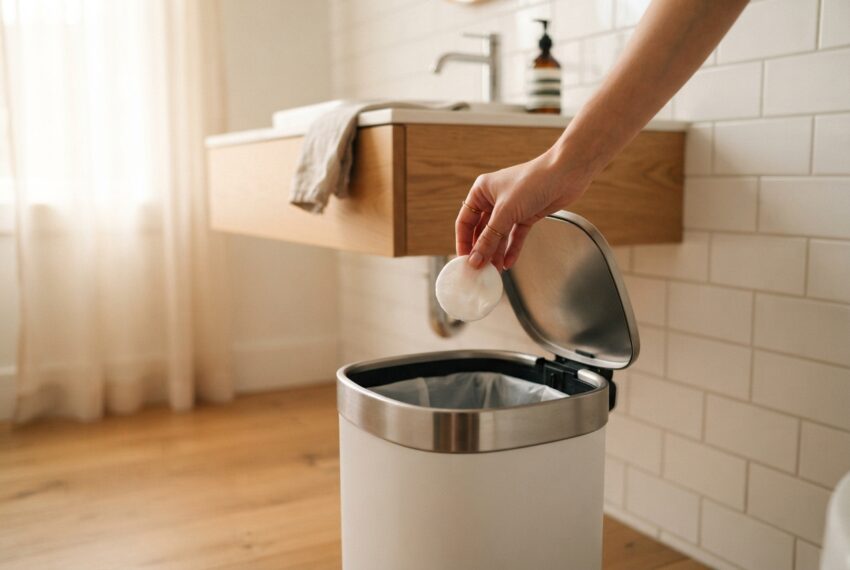
Dental floss is tiny but surprisingly strong. Once flushed, it creates an entanglement web, catching other particles and hair. It acts like tiny anchors inside pipes. Cotton balls, swabs, and makeup pads absorb water, expand, and don’t readily disintegrate. They become physical obstructions that worsen any existing buildup.
-
Hair (A Slippery Nightmare)
Wet hair tangles instantly. It catches on roughness, joints, and other debris, building dense masses that trap water flow. Hair from brushes, combs, razors, and shower drains is a significant and easily preventable clog source.
-
Paper Towels and Tissues
Unlike toilet paper, paper towels are engineered for *wet strength*. That same resilience that makes them effective for spills makes them problematic in plumbing. They do not dissolve and readily bunch up in bends or narrow sections. Facial tissues are softer but still generally do not break down efficiently compared to toilet paper.
-
Feminine Hygiene Products, Condoms, and Band-aids
*Never* flush pads, tampons (including cardboard applicators), condoms, or bandages. These items are designed specifically to *not* break down in liquid. Pads expand significantly. They are a near-guaranteed recipe for blockages, and flushing them is disrespectful to communal wastewater systems.
-
Kitchen Grease, Fats, and Cooking Oils
Grease is liquid when hot but cools, thickens, and can solidify inside pipes. It’s like pouring sticky glue down the drain, which then traps everything else. *This isn’t just about the toilet; it applies to all drains.* Flushing grease moves the problem deeper into your plumbing, coating pipes and restricting flow for years.
-
Pet Waste and Litter
Even “flushable” kitty litter can absorb large amounts of water and form substantial clogs. Pet feces can introduce parasites and bacteria that are resistant to normal municipal water treatment. Disposing of pet waste in the trash (in appropriate bags) is the modern, responsible standard.
-
Chemical Drain Cleaners (The Unexpected Hazard)
*Self-Correction: Avoid chemical drain cleaners altogether.* They might seem like a quick fix, but they are incredibly harsh, can damage older pipes, create dangerous fumes, and pose risks to water systems and treatment plant workers. Regular prevention is a much better approach than risky, aggressive chemical intervention.
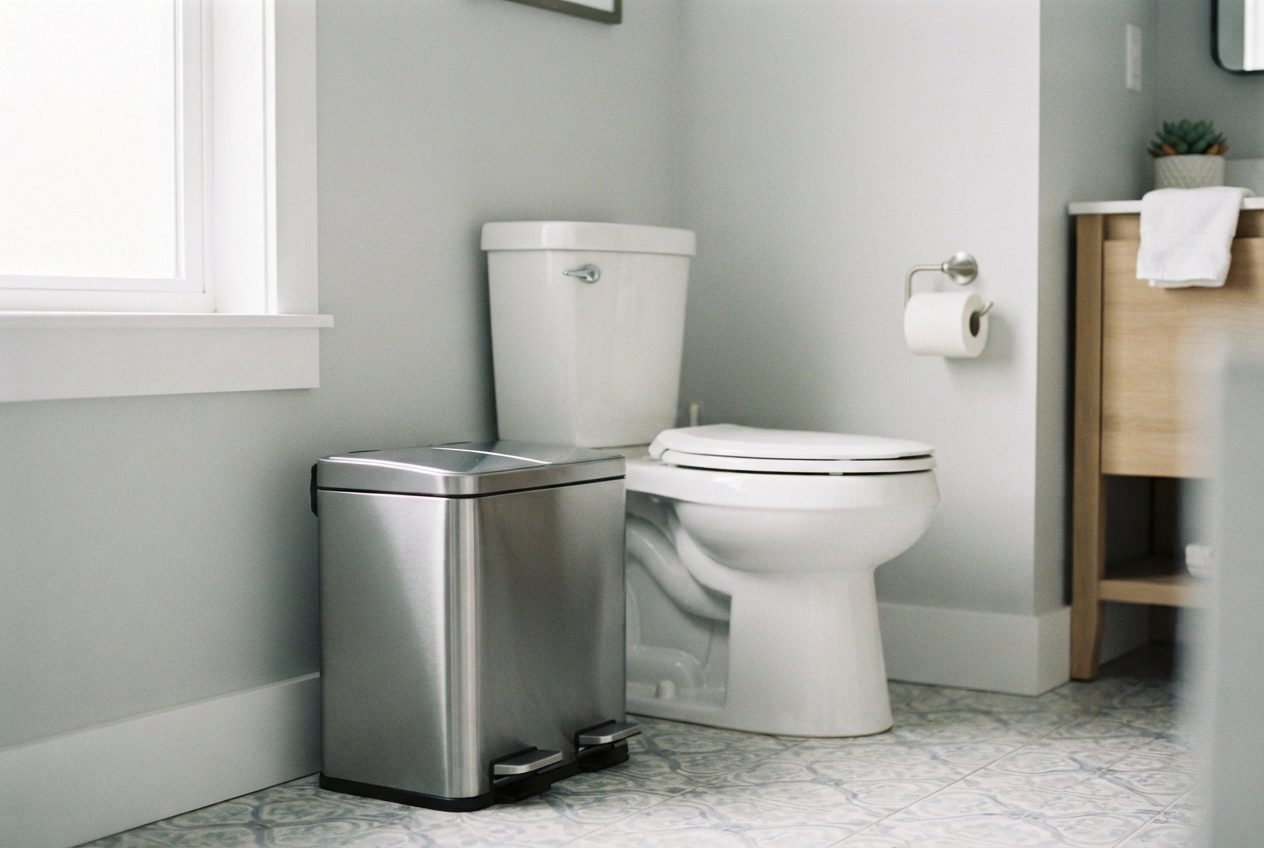
A stylish dual-bin makes sorting waste simple and looks great, keeping hygiene discreet and simple.
Rethinking Your Bathroom Waste Management
So, we know what *doesn’t* go down the toilet. The solution isn’t just a basic, forgotten bathroom trash can. We can make it efficient, discreet, and even stylish. Modern homemaking is about elegant problem-solving, and managing hygiene waste is no exception.
Think about sensory details. A small, pedal-operated can is easy to use and keeps odors contained. A dual-compartment bin allows you to separate compostable paper towels (if your municipality allows it) or recyclables from general hygiene products, making it a sustainable choice. A discrete lid ensures that guests feel comfortable. This simple addition near every toilet transforms the equation, making the responsible choice the easiest choice.
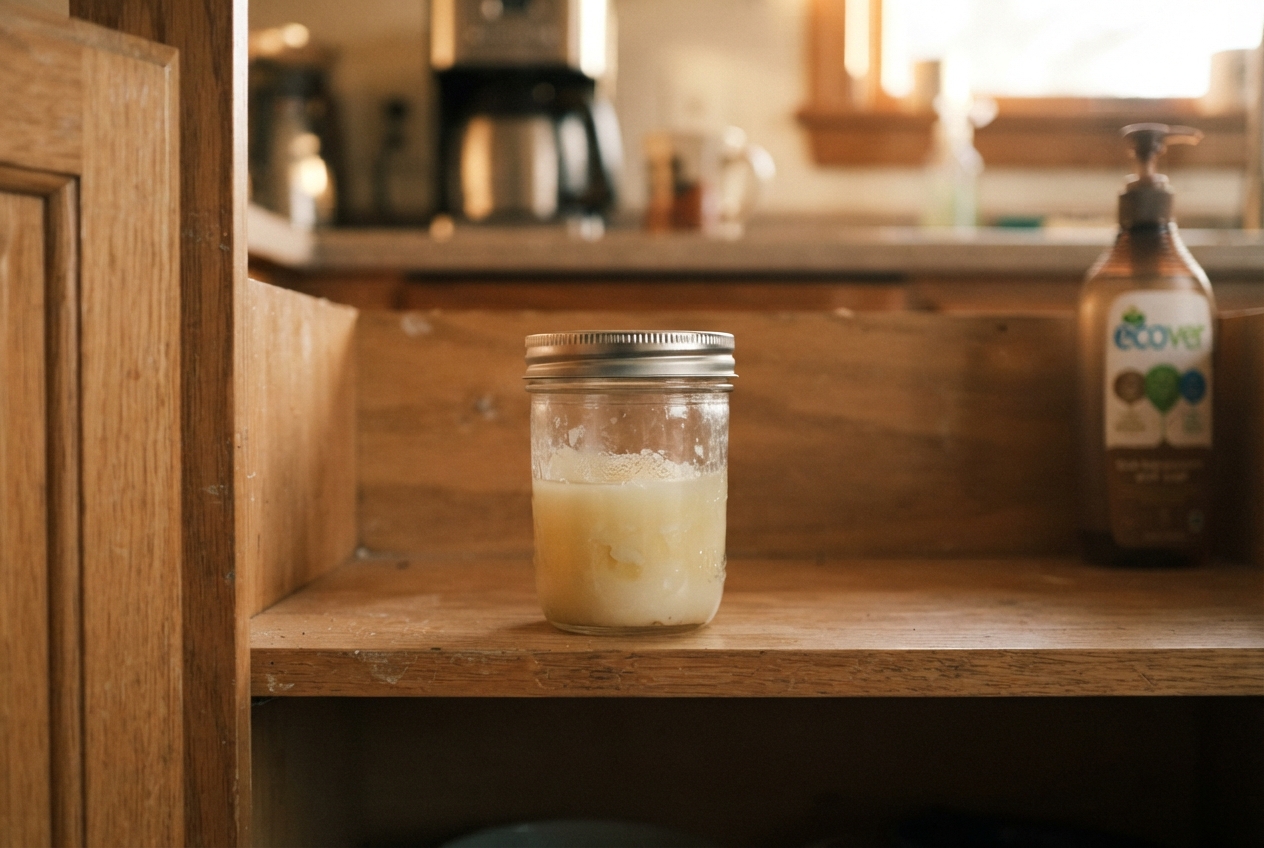
A simple, discrete jar makes collecting and cooling kitchen fats easy, preventing pipe-choking grease buildups.
Proactive Plumbing Protection: Moving Beyond Clogs
Deep prevention requires going past just *avoiding* bad habits. It involves active, positive maintenance. Your home’s plumbing benefits significantly from simple, regular care.
-
Better Hair Catchers
Skip the basic drain cover. Modern, innovative hair catchers are designed to trap hair *without* significantly impeding water flow. Look for models with unique shapes or silicone designs that are easy to clean and genuinely keep hair out of the drain.
-
Biological Drain Cleaners
Instead of harsh chemicals, consider regular use of biological or enzyme-based drain cleaners. These products use beneficial bacteria or enzymes to naturally break down organic matter (like hair and grease) without damaging pipes or harming the environment. Using them monthly is a gentle, effective way to maintain clear lines.
-
Check Your Whole-Home Flow
When was the last time you thought about your kitchen sink, shower, or even the laundry drain? All drains eventually connect. Ensuring *all* household waste, not just what goes in the toilet, is handled responsibly is crucial. Practice proper oil and grease disposal in the kitchen and use hair catchers throughout your home.
-
Assess Your System
Different plumbing systems have different weaknesses. Older homes with cast iron or clay pipes are more susceptible to cracks, scaling, and root intrusions. A slow flush might be a symptom of a deeper issue, not just a simple clog. A plumbing camera inspection can reveal the true health of your system and predict future problems.
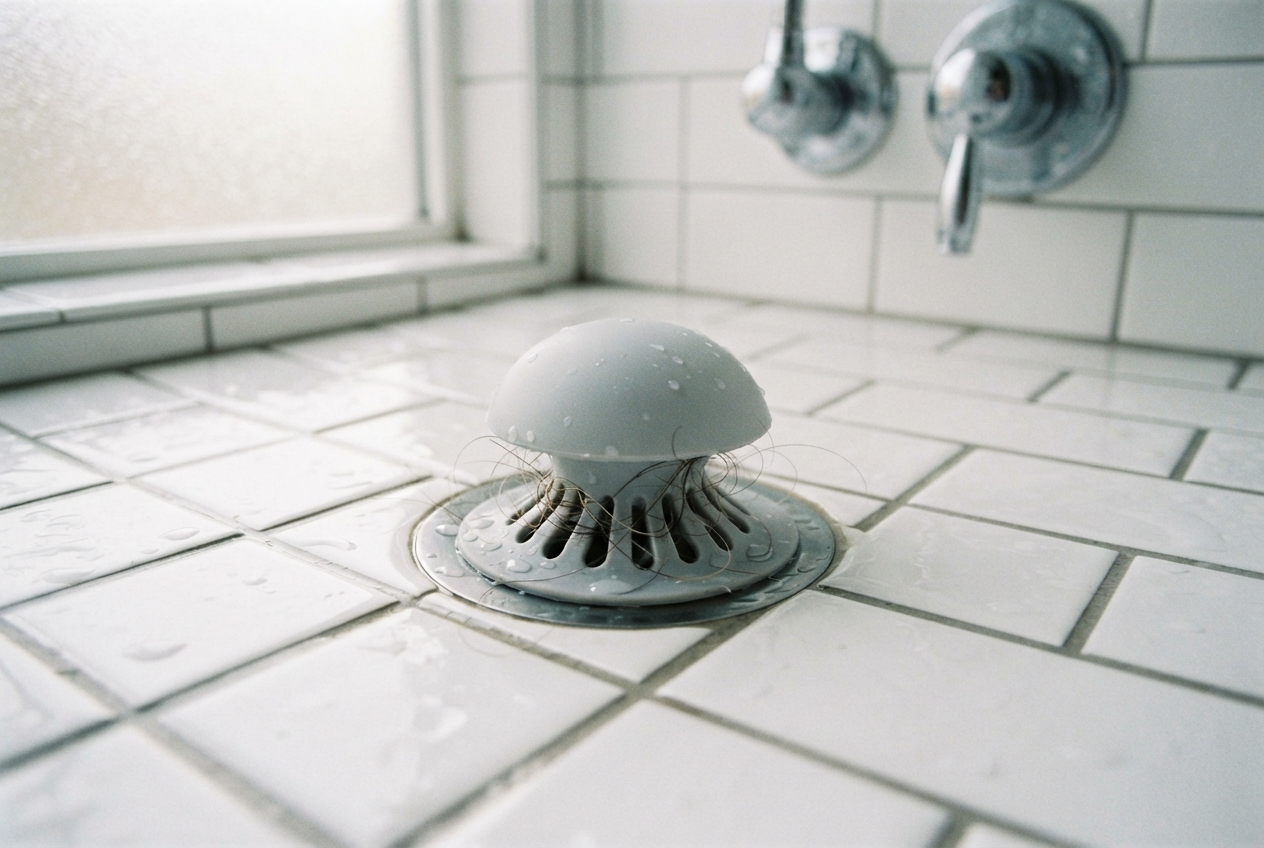
Investing in a quality hair catcher that actually traps strands before they enter the pipes is a total game-changer.
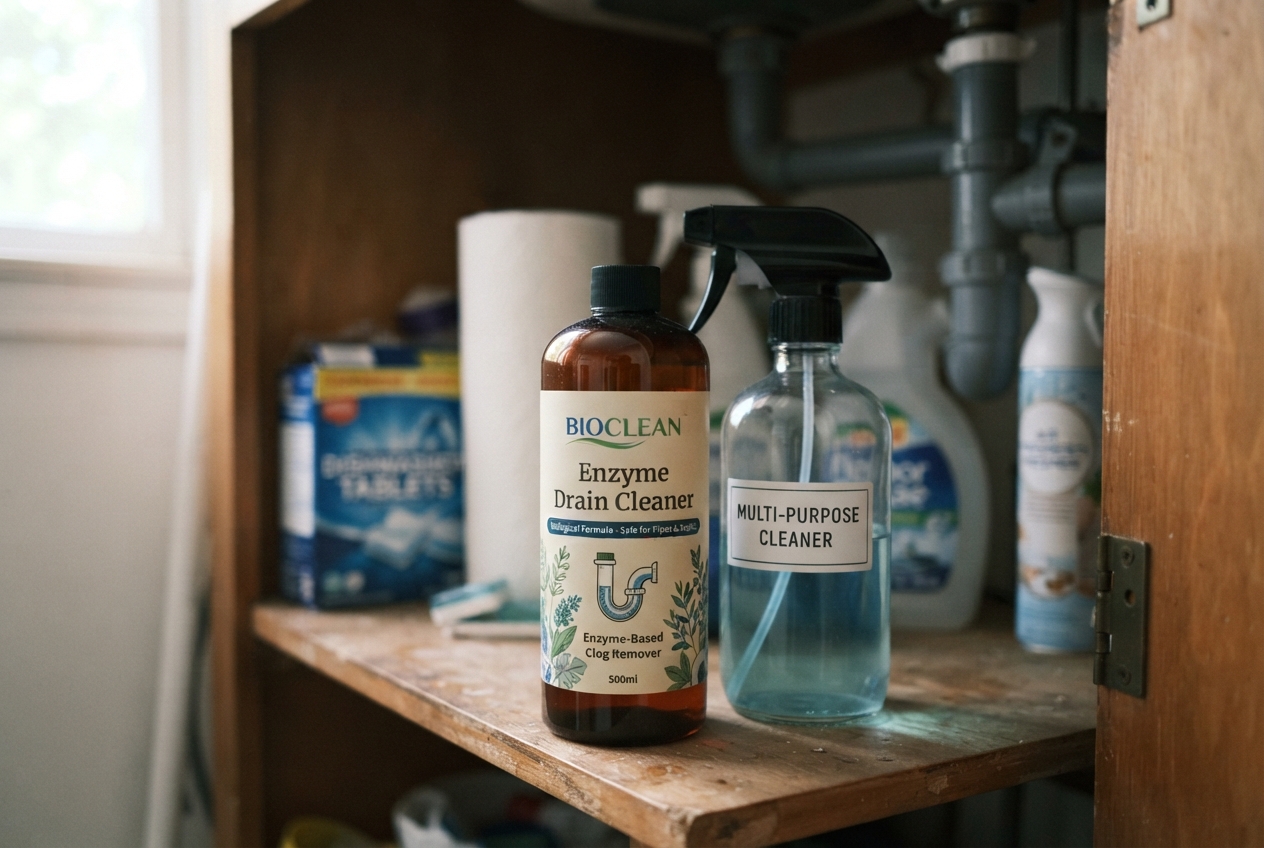
Regular maintenance using gentle biological drain cleaners keeps lines flowing smoothly without harsh chemicals or future blockages.
At its core, a plumbing-friendly home is about mindfulness. It’s about questioning the convenience of a flush and making small, conscious choices every day. From modern hair catchers to stylish dual-compartment bins, the tools are available to make this a beautiful, seamless part of contemporary living. Don’t wait for the water to rise; embrace proactive care for your pipes, and you’ll create a healthier, more sustainable home for yourself and your community.