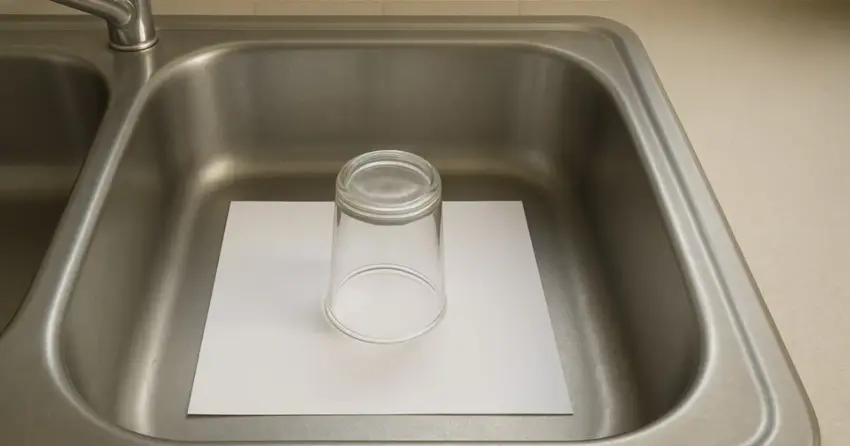
How to Cover Your Kitchen Sink Before Vacation Without the Viral Glass Trick
You know that photo. White paper in the basin, drinking glass flipped over the drain like a tiny science experiment. It looks tidy. It also does almost nothing once you walk out the door.
I tried it once before a two-week trip. Came home to a faint sewer note that lingered for days and a sponge caddy that had turned into its own science project. The P-trap idea behind the hack is sound. The execution is not.
A clean black sink looks peaceful the day you leave; the water seal under it is what keeps it that way.
Every drain in your house has a curved pipe under it that holds a small pool of water on purpose. That pool is the only thing standing between your kitchen and the sewer line. Leave the house long enough and the water evaporates. Then the smells and the occasional silverfish have an open invitation.
Why a dry P-trap smells like trouble
Weekend trips? You’re fine. The water usually lasts two weeks, sometimes three. Push past that—especially in a dry climate, a house with the A/C running hard, or a basement laundry drain that never sees water—and the seal thins out.
Kitchen sinks dry a little faster than bathroom sinks because we run the disposal and leave food bits behind. Those bits sit in a warm, damp environment and announce themselves the second you open the door.
I learned this the hard way after a month-long family visit. The kitchen didn’t just smell “off.” It smelled like something had died under the sink. It hadn’t. The trap had simply given up.
The paper-and-glass setup fails for three boring reasons
The glass almost never sits flush. One bump from a curious cat or a settling house and the whole thing slides. Paper soaks up humidity and turns into a sad, wrinkled mat. And nothing about that arrangement stops a determined drain fly.
You need an actual seal at the drain opening plus a full trap underneath it. That’s it.
The three-step method that actually works
Do this the night before you leave. It takes ten minutes if you move through the house with purpose.
Step 1: Refill every trap
Run cold water in the kitchen sink for a slow twenty-count. Do the same in the dishwasher drain if yours has a separate knockout. Flush every toilet once. Hit the laundry standpipe and any floor drain in the basement or mudroom. Spare bathroom that nobody uses? That one dries first.
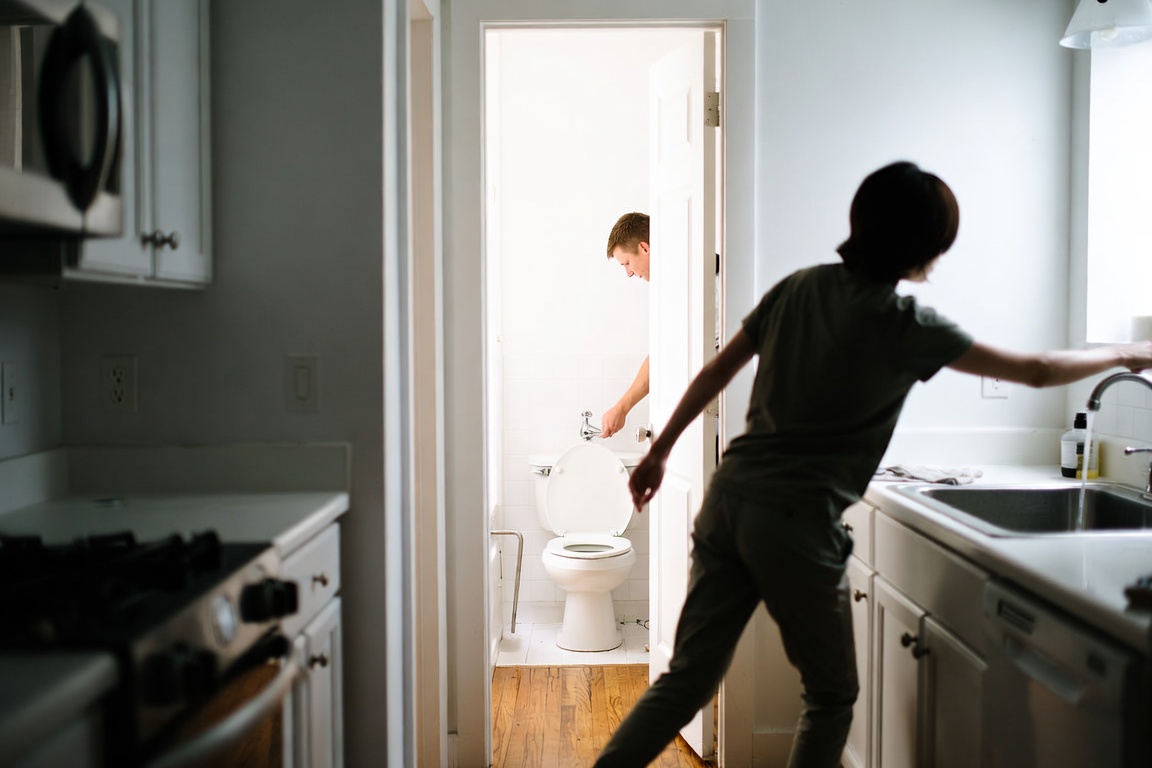
Ten to twenty seconds in every unused drain is the cheapest insurance you can buy.
You’re not trying to flood anything. You’re just replacing what evaporated since the last time someone washed a mug.
Step 2: Close the drain opening
Drop the existing stopper if it seats well. If it wobbles, press a reusable silicone drain cover over the hole until the edges lie flat. No silicone cover in the drawer? Painter’s tape in a tight X or a square of plastic wrap pressed down with your palm works in a pinch. The goal is less air movement, not a museum display.
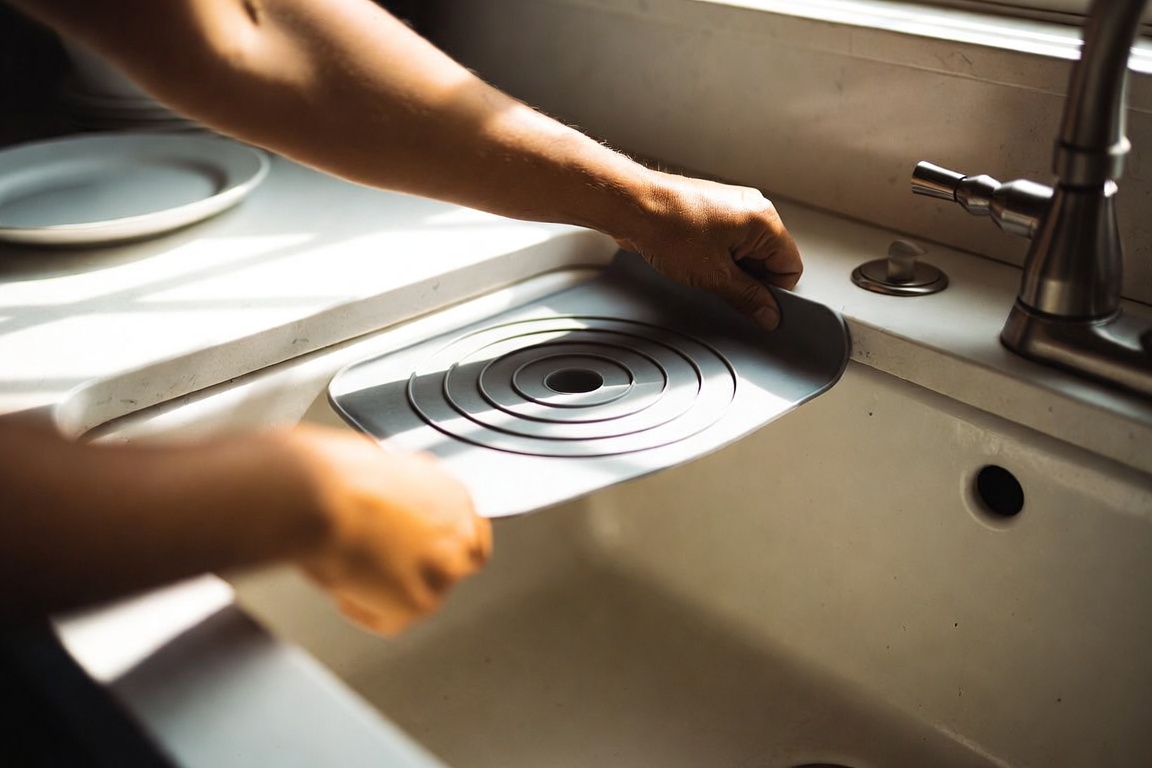
A tight silicone cover does the job the upside-down glass never could.
Kitchen sink with a disposal? Flip the wall switch off so nobody accidentally runs it dry when they come home late. Wipe the rubber splash guard while you’re there; leftover onion bits love to ferment.
Step 3: Float a little mineral oil (longer trips only)
After the water runs, pour one tablespoon of mineral oil down the drain. It sits on top of the water and slows evaporation the same way a lid slows soup from drying out. Use mineral oil, not the bottle from the pantry. Cooking oil turns rancid and can gum the pipes.
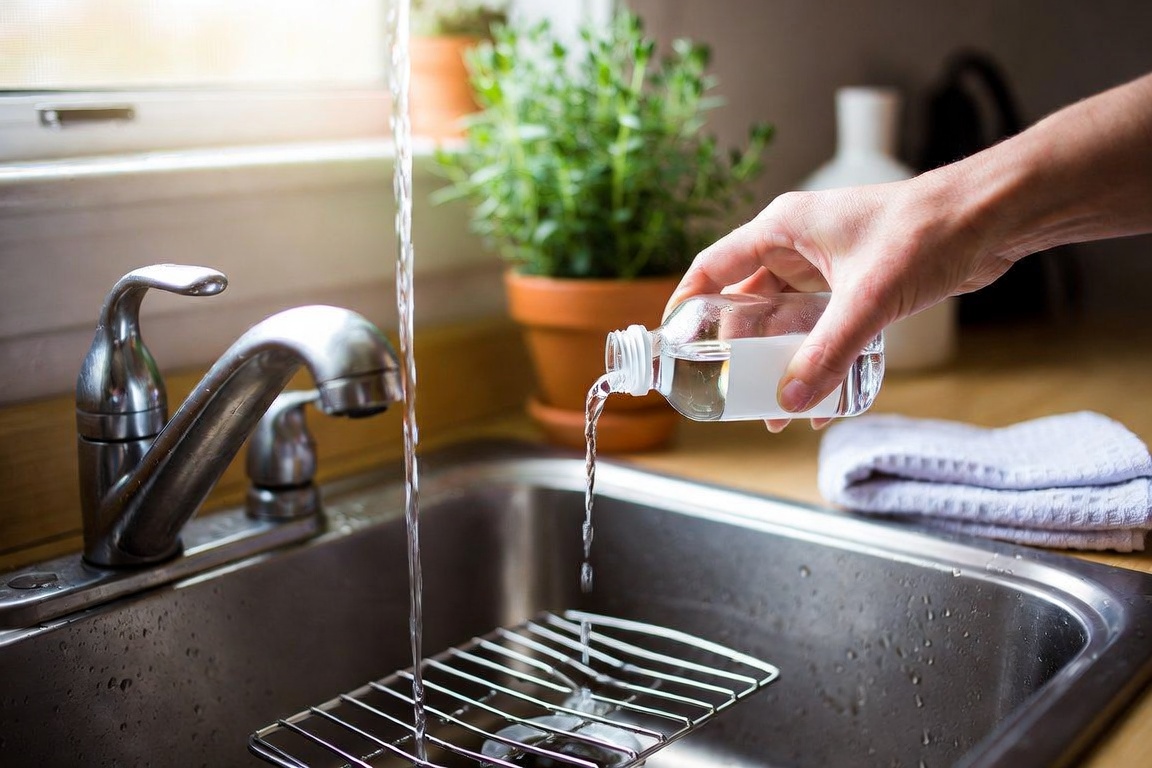
A tablespoon of mineral oil floats on the water and buys you extra weeks before the seal can evaporate.
I do this for any trip longer than ten days. It’s the one extra step that makes coming home feel like you never left.
Kitchen extras most people forget
Empty the disposal completely. Run a handful of ice and a splash of vinegar the morning you leave, then flip it off. Take the sponge and the brush out of that hanging mesh basket.
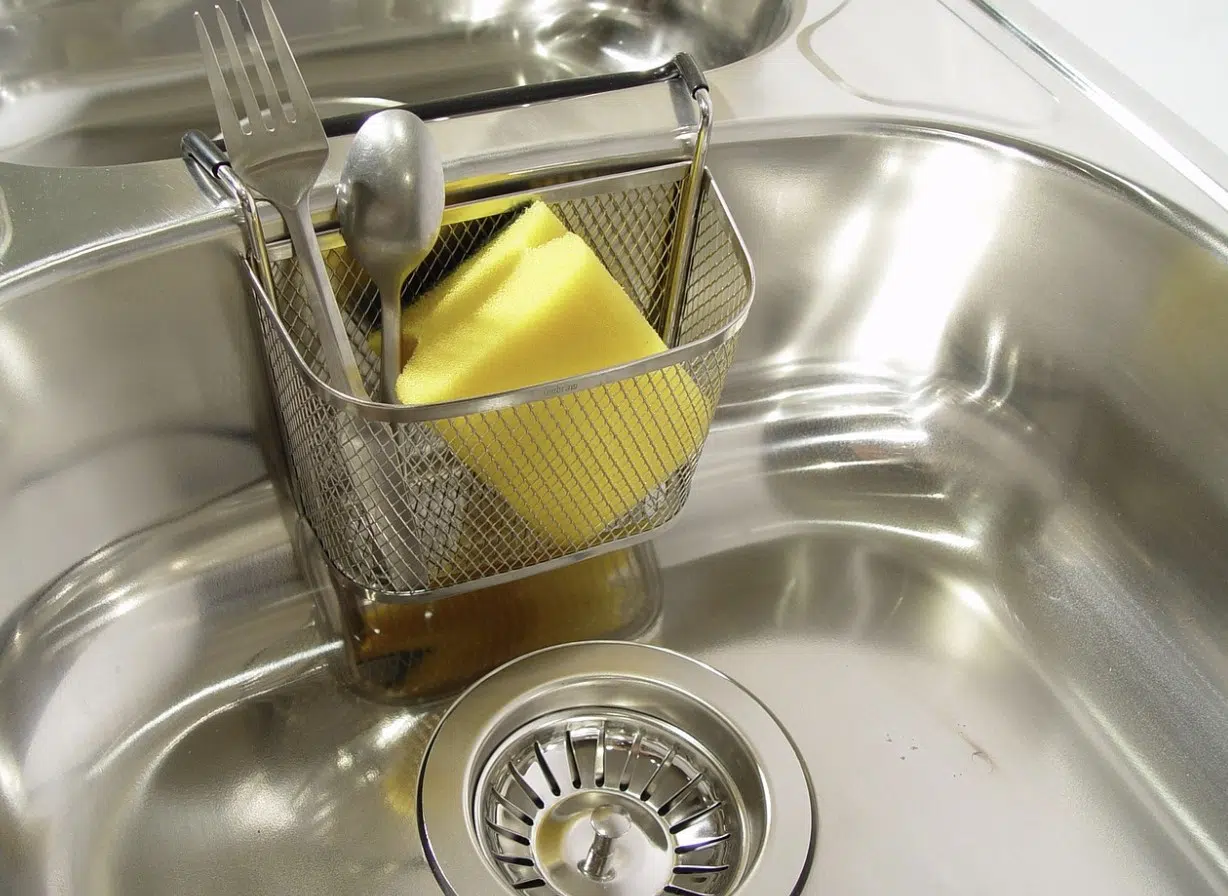
That hanging sponge basket is handy until it sits damp for three weeks and greets you with a smell you can’t un-smell.
Leave the basket itself in the sink if you must, but dry it first. A damp sponge in a closed-up house is an invitation no one wants.
Wipe the sink basin and the faucet base. Crumbs under the rim turn into a science experiment of their own. If you have a compost pail under the sink, empty it and rinse the bucket. That smell travels.
Cold-weather and dry-climate notes
Heading out in January? Confirm the kitchen pipes that run along an exterior wall have insulation. A slow drip overnight is cheaper than a burst pipe. In the desert or a house with constant air movement, add the mineral oil even for a ten-day trip. Evaporation wins faster there.
What to do the minute you walk back in
Before you unpack, lift the stopper and lean in. If it smells like nothing, you did it right. Run the faucet for ten seconds anyway to refresh the seal. If there’s a faint sewer note, run water longer, add another small pour of mineral oil, and crack a window. It usually clears by morning.
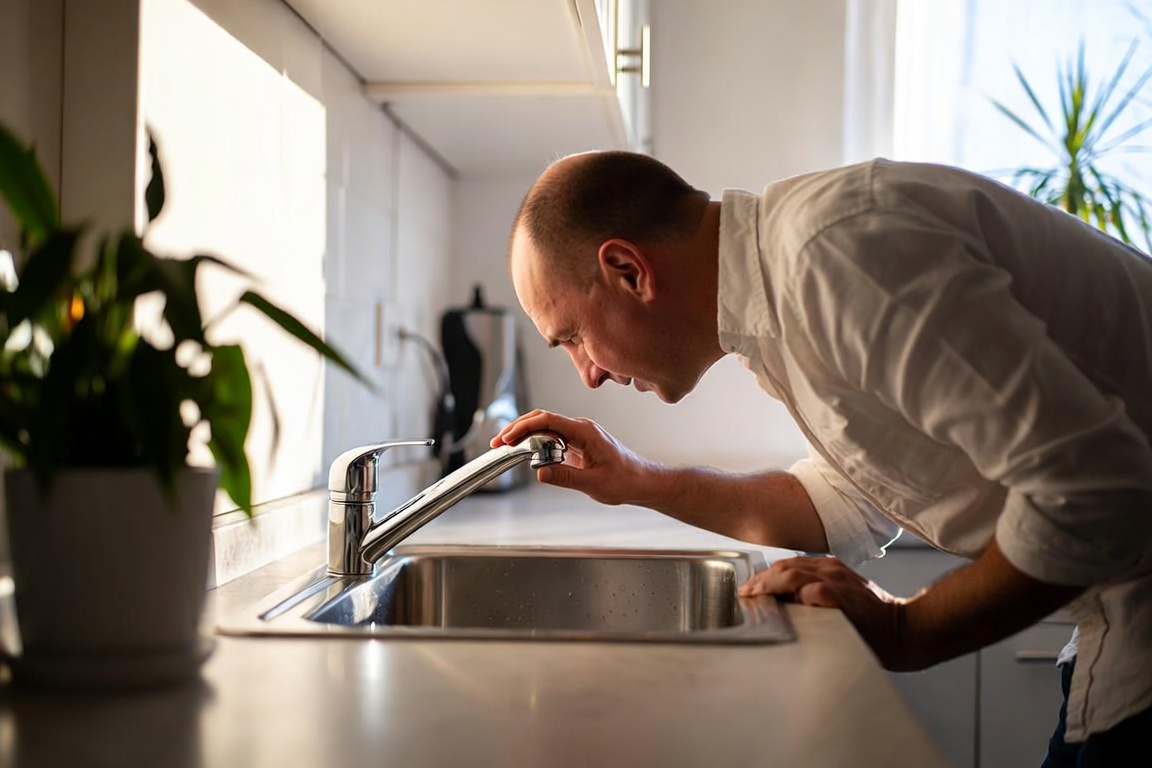
The first thing you do when you walk in is check that the seal held.
Check the sponge caddy and the disposal splash guard while you’re at it. Those two spots hide the surprises.
That’s the whole list. No balancing act, no soggy paper, no hoping the glass stayed put. Fill the traps, cover the openings, give the kitchen a two-minute wipe, and walk out knowing the house will smell like home when you return.