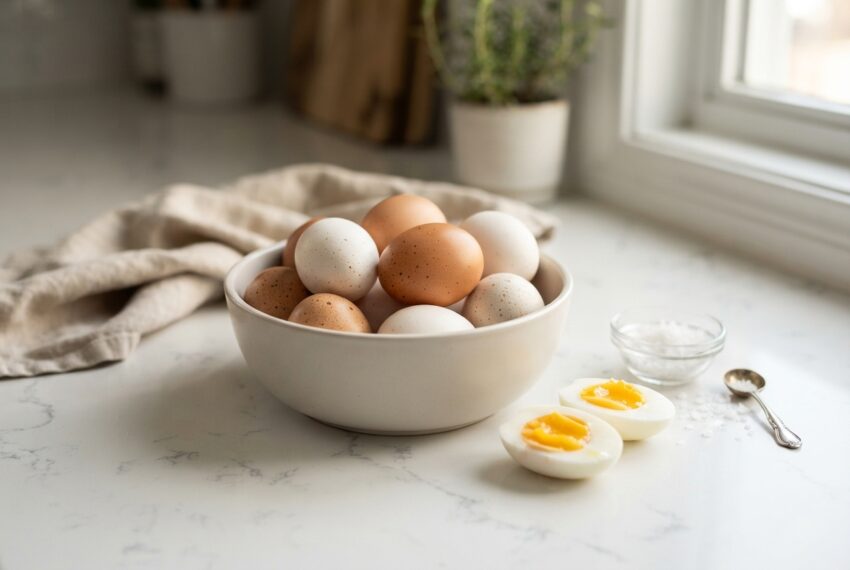
There is a distinct satisfaction in opening the refrigerator on a frantic Tuesday morning to find a carton of ready-to-eat hard-boiled eggs waiting on the middle shelf. They are quick, packed with protein, and easily rescue busy school mornings or mid-afternoon energy crashes. But if you boiled that carton last weekend, you might find yourself hesitating before you crack the shell.
How many days can those eggs sit in the cold before they lose their freshness or become unsafe? Rumors floating around online will tell you three or four days at most. The reality is much better news for your weekly meal prep schedule.
How Long Do Hard-Boiled Eggs Really Last in the Fridge?
According to official USDA food safety guidelines, hard-boiled eggs stay fresh and safe to eat for up to 7 days when kept at 40°F (4°C) or colder. That full week window applies whether your eggs are still in their shells or already peeled and tucked into an airtight container.
Seven days gives you plenty of breathing room for Sunday meal prep. If you boil a dozen eggs over the weekend, you can comfortably snack on them through the following Sunday. The key comes down to temperature consistency and protecting the eggs from absorbing stray odors from neighboring foods.
Never leave boiled eggs on the counter to cool for hours on end. Harmful bacteria grow rapidly in the temperature danger zone between 40°F and 140°F. Pop your eggs into the refrigerator within two hours of cooking to lock in that seven-day freshness window.
Why Raw Eggs Outlast Boiled Eggs in the Fridge
It sounds counterintuitive at first. Raw eggs happily sit in the refrigerator for three to five weeks, so why do cooked eggs only last seven days? The answer lies in natural poultry biology.
When a hen lays an egg, a delicate, invisible protein coating called the bloom (or cuticle) seals thousands of microscopic pores on the shell surface. This barrier keeps oxygen, bacteria, and moisture from sneaking inside. When you drop an egg into boiling water, that protective layer washes away completely, leaving the porous calcium shell exposed to outside air and bacteria.
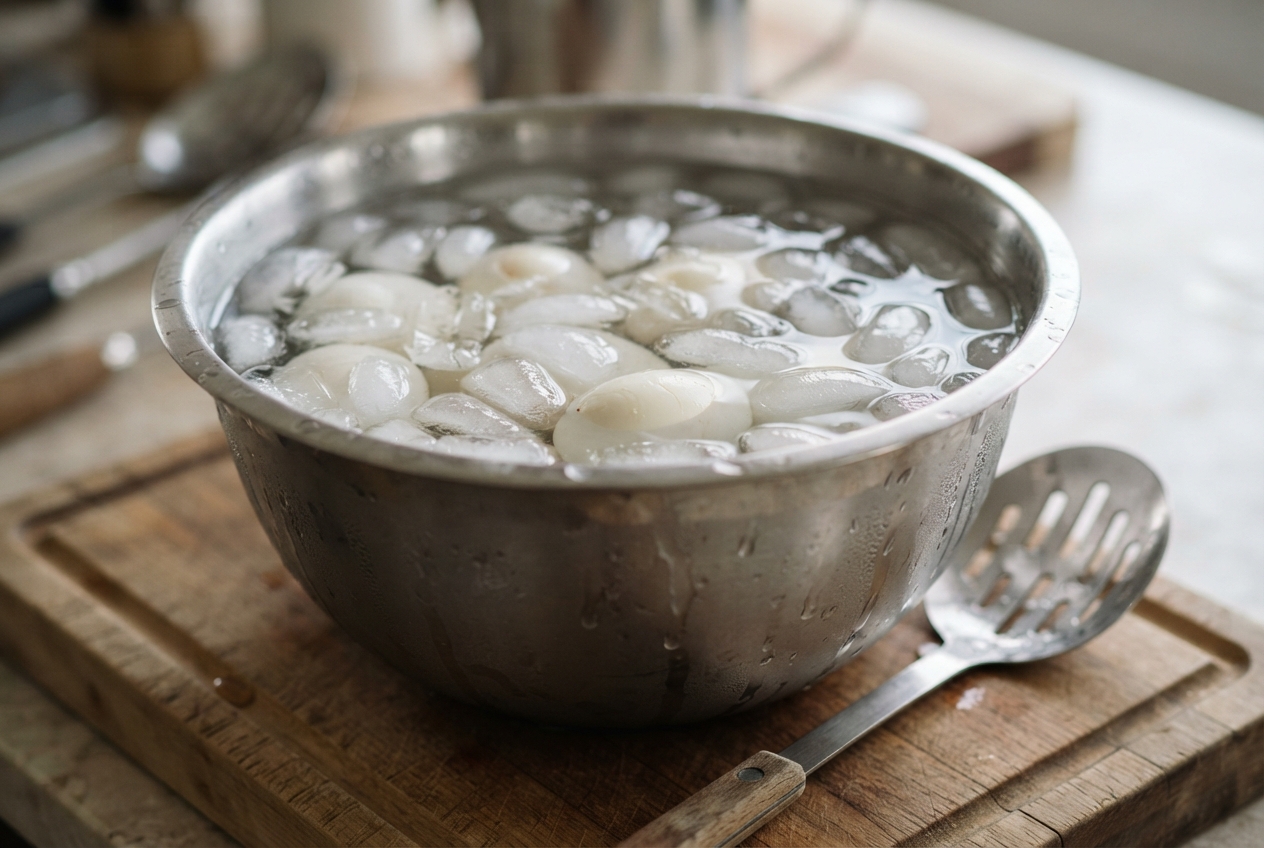
Plunging freshly boiled eggs straight into an ice bath halts the cooking process and prevents gray rings.
The Ice Bath Secret (and Why Storing Upside Down Is a Myth)
You may have heard old kitchen lore claiming that storing hard-boiled eggs upside down keeps the yolk centered and stops that unappealing gray-green ring from forming. That is pure myth. The position of an egg on your fridge shelf has zero effect on yolk discoloration.
That dusky ring is actually ferrous sulfide. It forms when the sulfur in the egg white reacts with the iron in the yolk under high heat. It only happens for two reasons: cooking the egg too long or letting it cool down too slowly on the counter.
To eliminate green rings and make peeling effortless, follow these simple steps right off the stove:
- Prepare the ice plunge: Fill a large metal or glass bowl with equal parts ice cubes and cold tap water while your eggs finish cooking.
- Shock the eggs immediately: Use a slotted spoon to transfer hot eggs straight from the boiling pot directly into the icy water.
- Leave them submerged for 15 minutes: Rapid cooling causes the egg white to shrink slightly inside the shell, stopping the sulfur reaction and loosening the inner membrane.
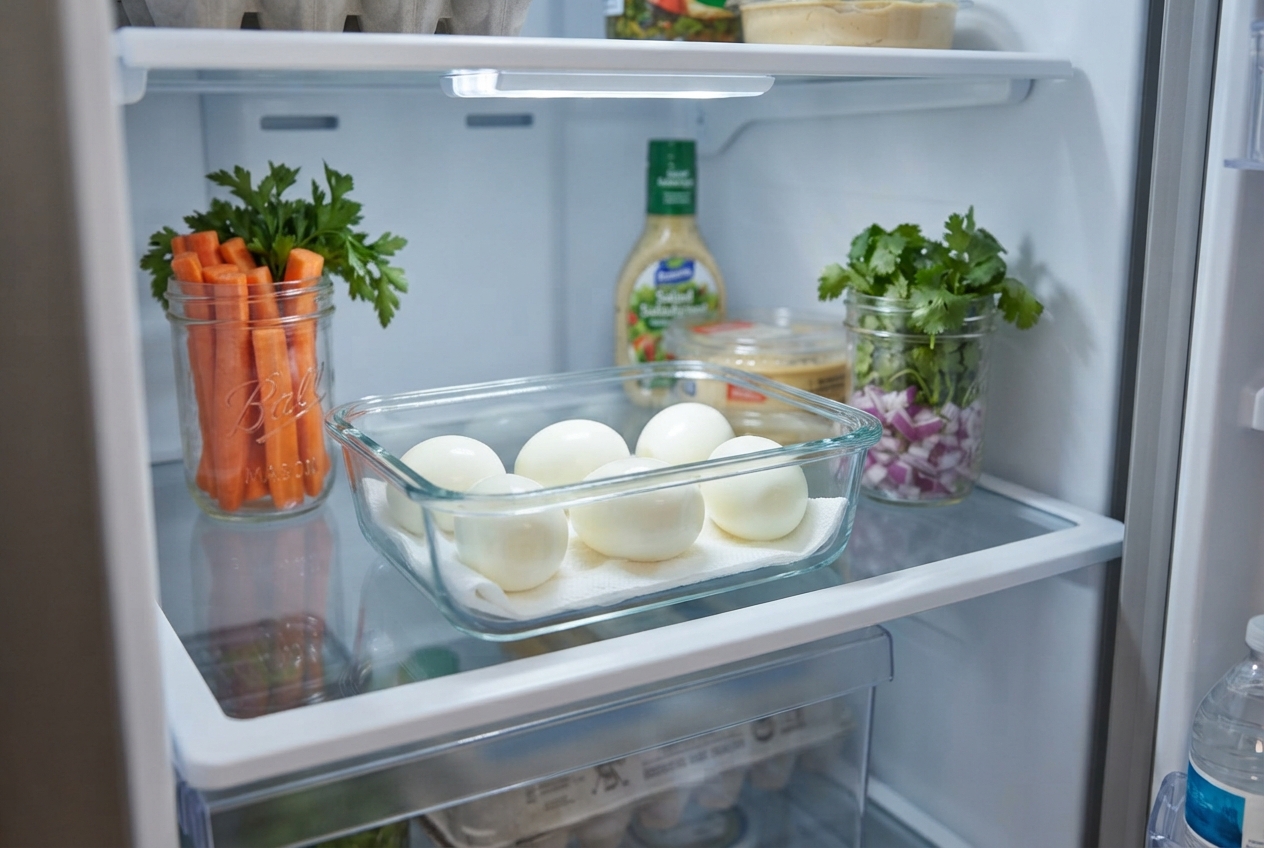
Lining your airtight glass container with a damp paper towel keeps peeled eggs moist without turning them soggy.
Peeled vs. Unpeeled: Storage Rules That Work
Leaving eggs in their shells is the simplest way to store them. The shell acts as a built-in protective armor, retaining natural moisture and preventing the whites from absorbing leftover garlic or onion scents from your fridge. Return unpeeled eggs to their original cardboard carton or an egg storage bin, and keep them on a main shelf rather than the door, where temperatures fluctuate every time you grab the milk.
If you prefer peeling all your eggs on prep day for grab-and-go convenience, you need to manage moisture so the outer whites do not turn tough and leathery.
How to Store Peeled Hard-Boiled Eggs
Once stripped of their shells, eggs lose moisture quickly. Use these reliable methods to keep them tender and fresh all week long:
The Damp Towel Method: Line a glass food storage container with a clean, slightly damp paper towel. Arrange your peeled eggs in a single layer, cover with another damp sheet, and snap the airtight lid shut. The towel provides ambient humidity without making the whites soggy.
Alternatively, place peeled eggs in a bowl and submerge them completely in cold water. You must change the water daily to prevent bacteria from taking hold. For most busy home kitchens, the damp paper towel method is far easier and less messy.
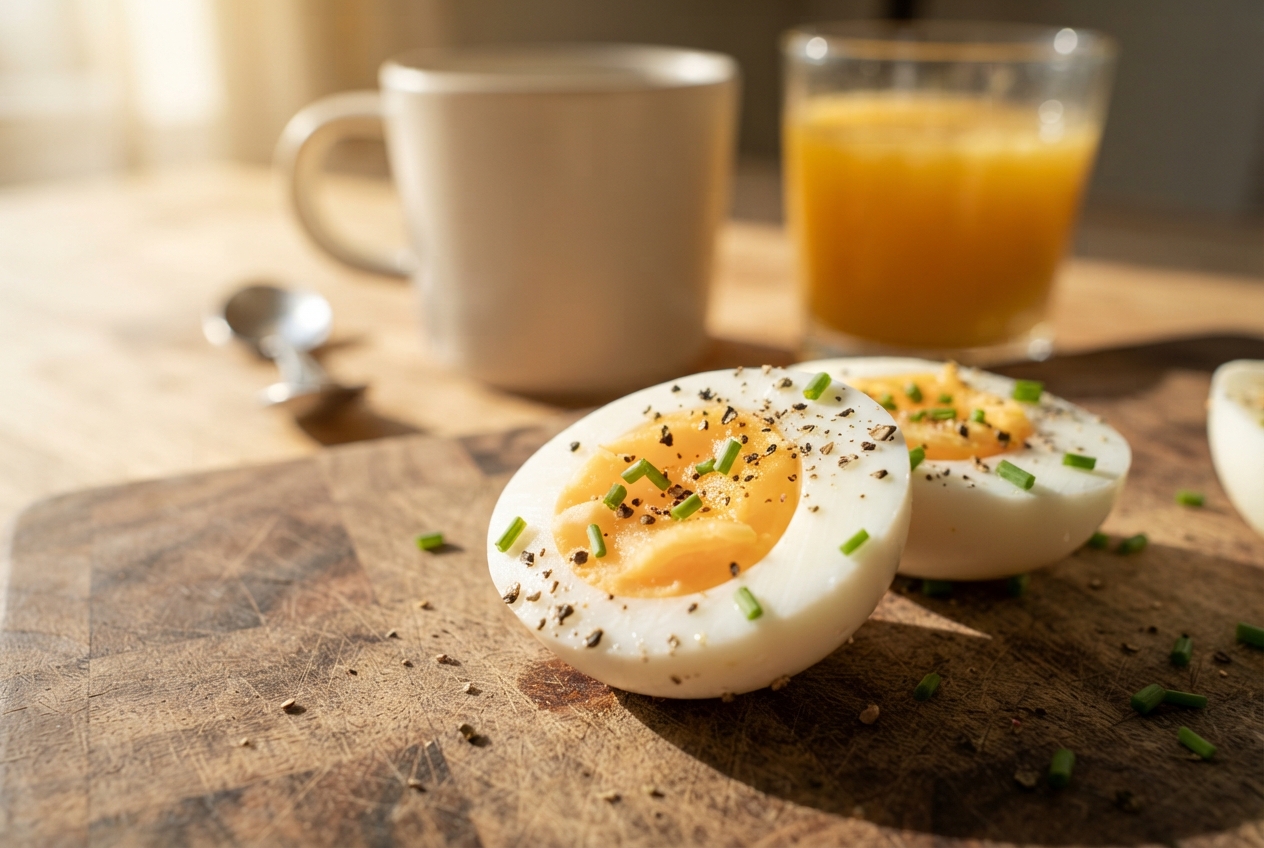
A fresh hard-boiled egg should display a firm white and a vibrant, creamy center with no off odors.
How to Tell if a Hard-Boiled Egg Has Gone Bad
Always rely on your senses before eating pre-cooked eggs. While the seven-day rule is a dependable benchmark, a poor seal on your container or an accidental warm spell can speed up spoilage.
- The Scent Test: A fresh boiled egg has almost no scent. If you crack the shell or open your storage container and notice a sharp, sulfurous, or sour smell, discard the egg immediately.
- The Texture Check: Pick up the peeled egg. The white should feel smooth and firm. If you detect any slick, slimy, or sticky residue on the surface, bacteria have begun to colonize.
- Visual Inspection: Look closely at the white. Any chalky gray patches, brown spots, or mold growth mean the egg is past its prime. Note that a gray ring around the yolk is simply from overcooking and is safe to eat, but dark speckling on the white is not.
Can You Freeze Hard-Boiled Eggs?
The short answer is no—at least not whole. Freezing whole hard-boiled eggs or egg whites is a recipe for culinary disappointment. Freezing breaks the delicate protein bonds in cooked egg whites, causing them to release water upon thawing. You end up with a watery, rubbery, unchewable mess.
You can, however, freeze cooked hard-boiled egg yolks. If you have extra yolks after making a batch of whites for a salad, mash them with a fork, seal them in a freezer-safe silicone bag, and store them for up to three months. Thawed cooked yolks work well crumbled into savory grain bowls or mixed into homemade dressings.
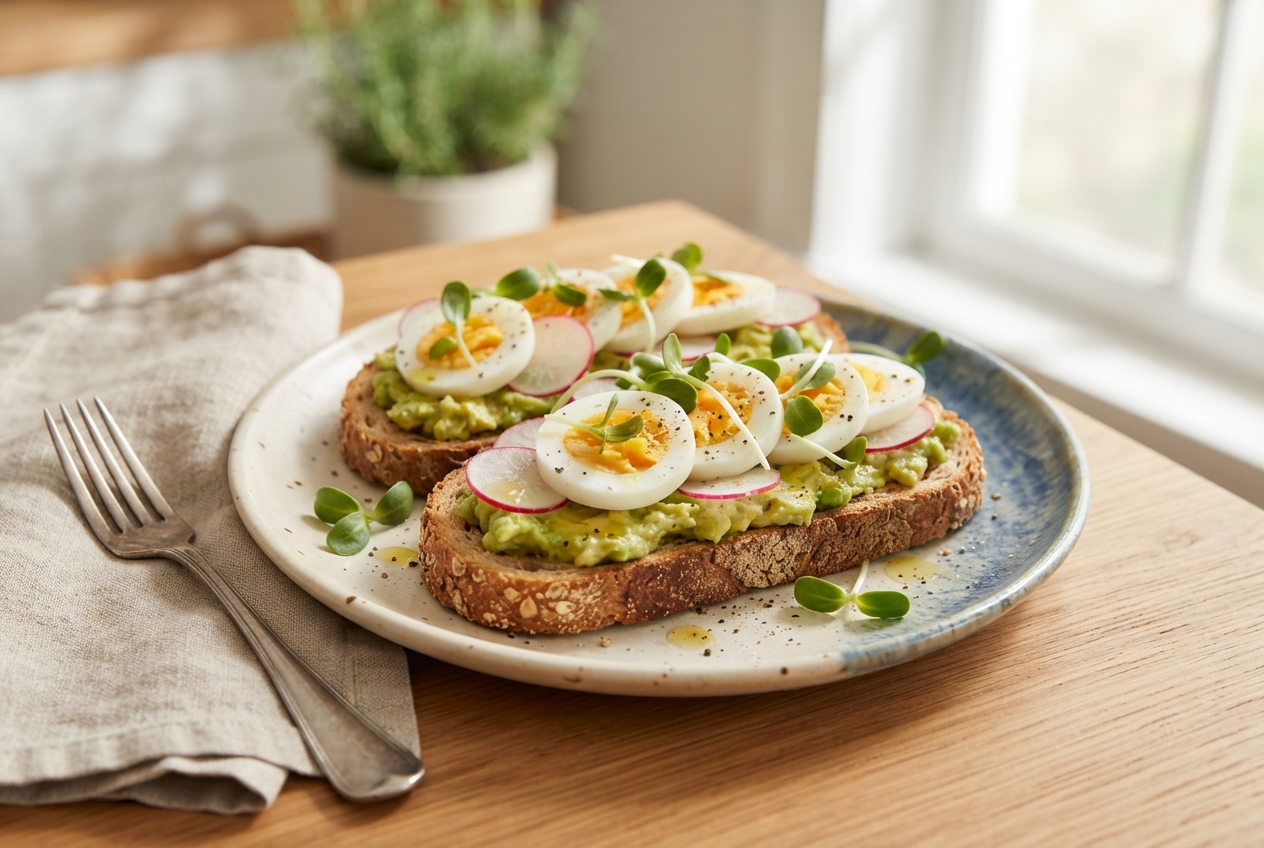
Thick-cut avocado toast topped with hard-boiled egg slices makes a quick, high-protein weekday breakfast.
Smart, Alcohol-Free Ways to Use Your Weekly Stash
When you have a batch of ready-to-eat eggs sitting in the fridge, pulling together a wholesome lunch takes minutes. Skip the heavy mayonnaise dressings and try these fresh, flavor-packed combinations:
- Loaded Breakfast Sourdough: Layer thick slices of hard-boiled egg over mashed avocado, thin cucumber ribbons, crunchy radish, and a sprinkle of everything bagel seasoning. Pair with chilled sparkling apple cider or cold brew tea.
- Crisp Garden Cobb Salad: Toss chopped romaine, cherry tomatoes, diced turkey breast, roasted corn, and quartered hard-boiled eggs with a tangy lemon-herb vinaigrette.
- Herb-Whipped Deviled Eggs: Blend cooked yolks with plain whole-milk Greek yogurt, fresh dill, minced chives, Dijon mustard, and a squeeze of fresh lemon juice for a light, savory afternoon bite.
- Quick Protein Bento Box: Pack two whole unpeeled eggs alongside crisp sugar snap peas, carrot sticks, sharp cheddar cubes, and whole-wheat pita wedges for an easy desk lunch.
Simple Rules for Fresh, Reliable Weekly Meal Prep
Keeping a steady supply of hard-boiled eggs ready in your kitchen comes down to three basic habits: shock them in ice water right away, store them in the main body of your fridge at 40°F or colder, and enjoy them within seven days. With those simple steps in place, you can build quick breakfasts, satisfying lunches, and wholesome snacks with complete confidence all week long.