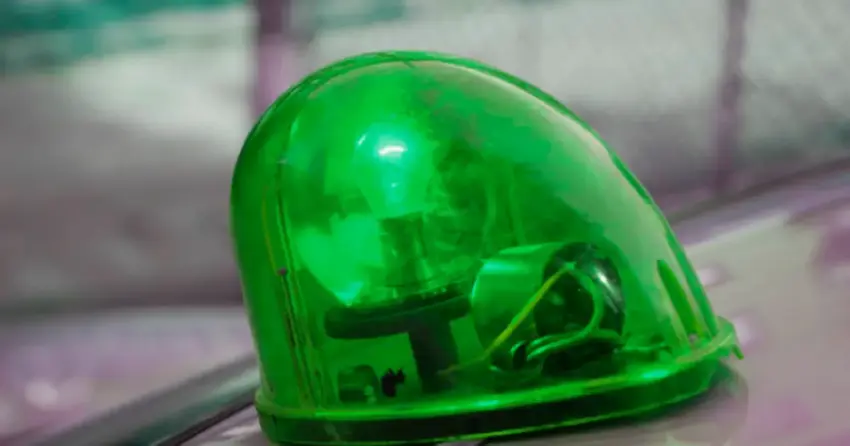
You are driving home on a quiet Tuesday evening, thinking about what to make for dinner or listening to your favorite podcast, when a car appears in your rearview mirror with a glowing green light flashing on its dashboard. It is not the familiar siren-screaming red and blue of a police cruiser, nor is it the steady amber flash of a utility truck. It is bright, unexpected emerald green.
Most drivers immediately freeze up and ask the same question: what do green lights on cars mean, and am I supposed to pull over? While these lights are far less common than red or blue strobes, they serve an important function on our neighborhood streets. Understanding what they signal helps keep our communities safer and ensures help reaches families when every single minute counts.
The Green Courtesy Light: Who Is Behind the Wheel?
When you see a standard passenger car, pickup truck, or SUV displaying a green light, you are almost always looking at a dedicated volunteer first responder. These are volunteer emergency medical technicians (EMTs), paramedics, and volunteer firefighters answering an urgent call in their personal vehicles.
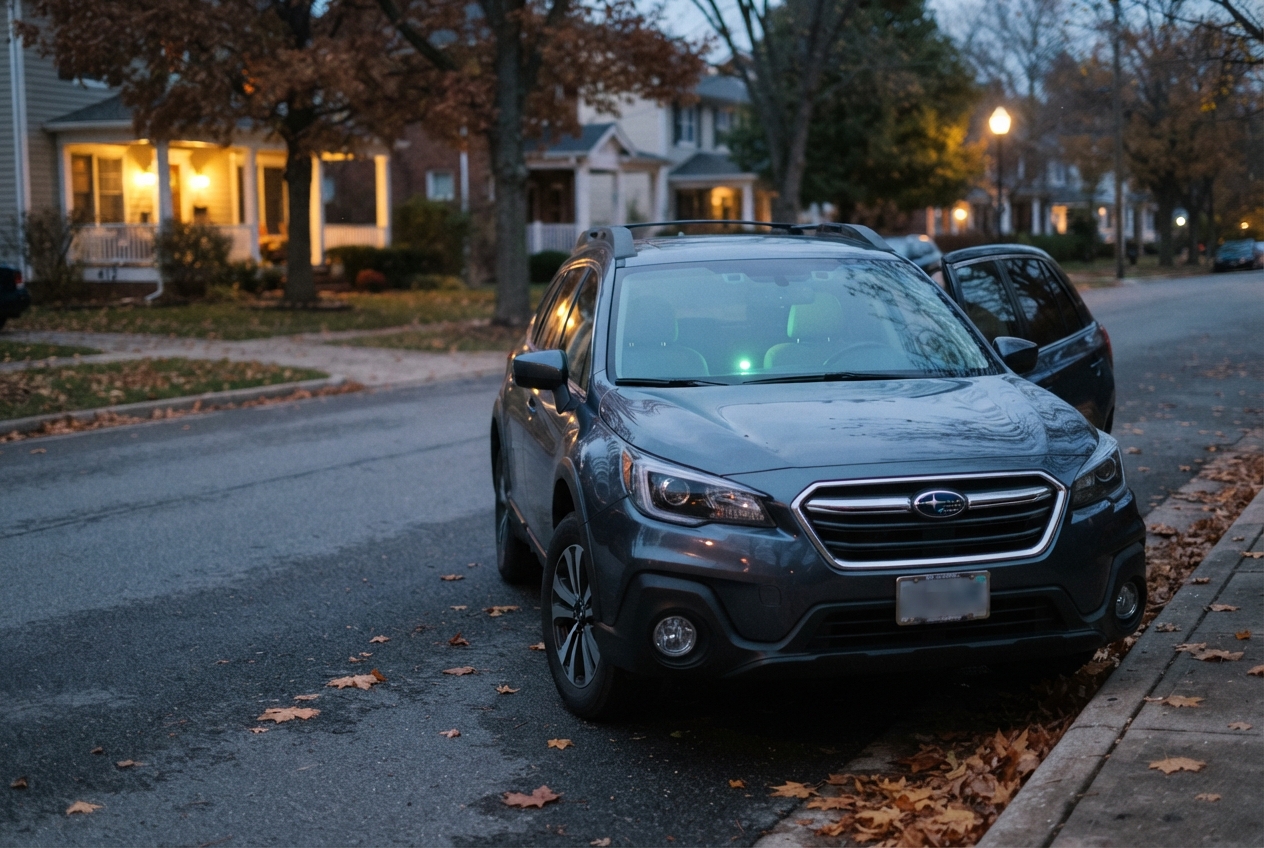
In many communities, a small green dash light identifies a volunteer EMT or firefighter rushing to an emergency call.
In rural towns, suburban neighborhoods, and smaller townships across North America, local emergency departments rely heavily on unpaid volunteers. When a 911 call goes out for a medical emergency or a house fire, these men and women drop whatever they are doing—whether eating dinner with their kids or working in the garden—and jump straight into their own cars to head toward the station or directly to the scene.
Because they are driving their personal vehicles rather than a fire truck or ambulance, they cannot use red and blue emergency lights. The green light tells surrounding drivers: “I am your neighbor, and I am on my way to help someone in an emergency.”
Courtesy vs. Law: Do You Legally Have to Pull Over?
This is where things get confusing for everyday drivers. Unlike standard police cars or fire engines that possess statutory right-of-way under state traffic laws, a green light on a personal vehicle is classified as a courtesy light in most jurisdictions.
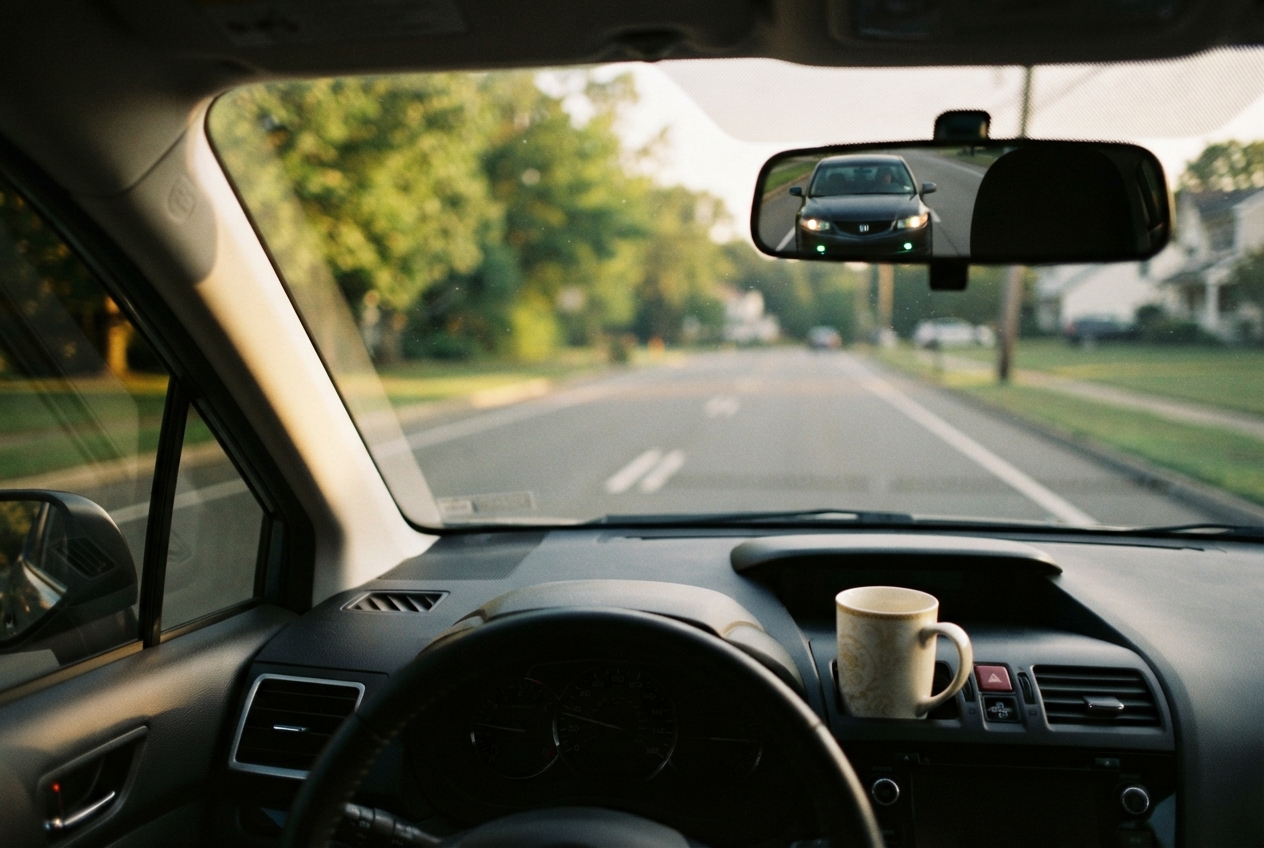
Seeing green flashing lights behind you is a polite request from a neighbor on duty—safely pull right when space allows.
Here is what that distinction means for you behind the wheel:
- No Legal Mandate (In Most States): You will rarely receive a traffic ticket for failing to yield to a green courtesy light, as the driver does not have the legal authority to run red lights, speed excessively, or force you off the road.
- A Community Request: The light is a polite visual request asking you to let them through. Pulling over to the right shoulder allows that volunteer to reach a neighbor who might be experiencing cardiac arrest or severe trauma minutes faster.
- Safe Driving Rules Still Apply: Never slam on your brakes or swerve erratically. Signal clearly, check your mirrors, and smoothly move to the right lane or shoulder when it is completely safe to do so.
A green light on a personal vehicle carries no sirens or legal force, but it carries immense human urgency. Giving way is an act of simple neighborhood kindness that genuinely saves lives.
Where Are Green Lights Legally Recognized?
Vehicle lighting regulations are managed entirely at the state, provincial, and municipal levels. Because of this, the meaning of green lights changes depending on where you are driving.
In places like New York State, the Green Courtesy Light Law allows active members of volunteer ambulance corps to display a single green light on their private vehicles. Across the border in Ontario, Canada, flashing green lights are specifically designated for volunteer firefighters responding to calls.
Other states, including Indiana and Ohio, have dedicated statutes that recognize green lights for emergency personnel, while some southern and western states restrict them entirely or reserve them for different municipal functions.
Beyond First Responders: Other Surprising Reasons Cars Use Green Lights
While volunteer medics are the most common explanation, they are not the only reason a vehicle might flash green. As road safety technology develops, green lighting has found a few other practical homes on our roadways.
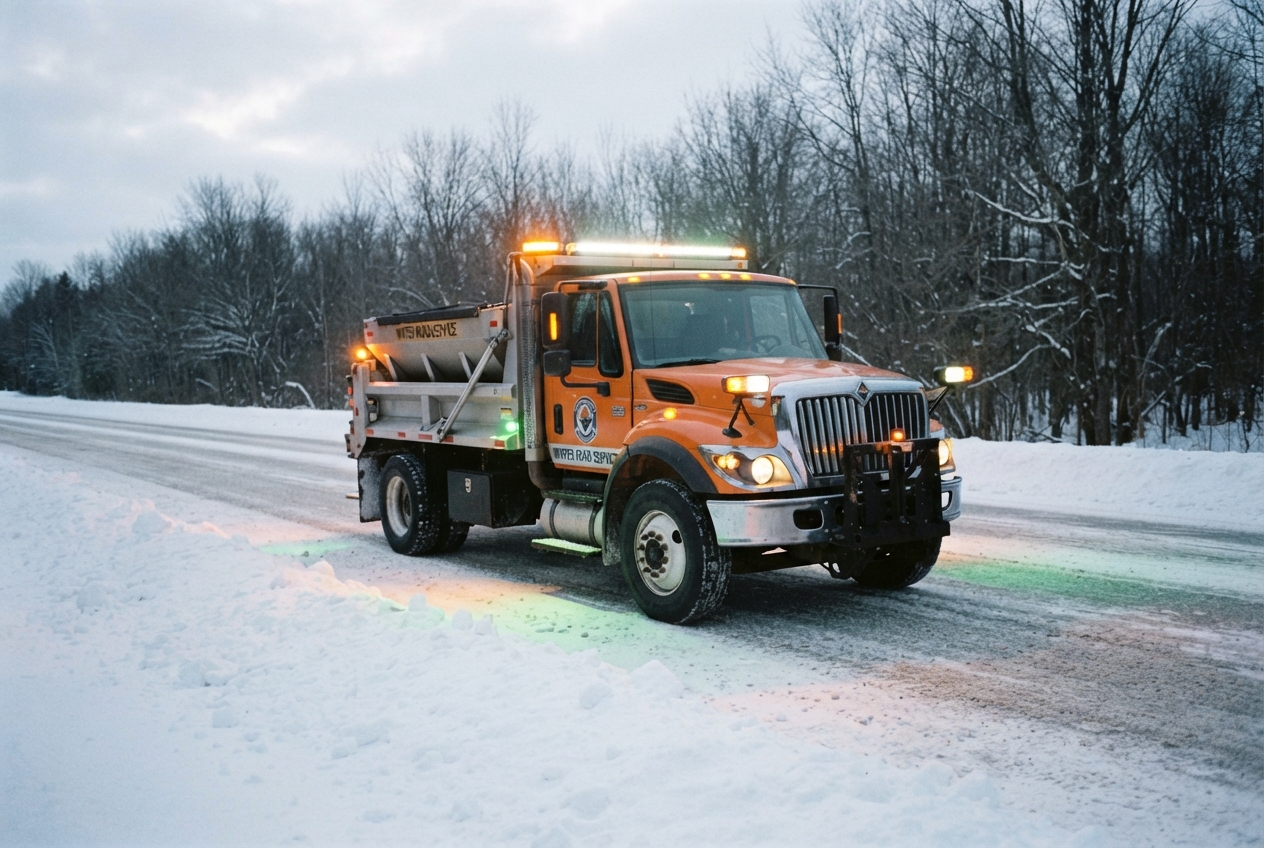
Many highway departments now pair green strobes with amber lights because green is easier for human eyes to spot during winter blizzards.
1. Snowplows and Winter Maintenance Trucks
If you live in northern states like Michigan or Minnesota, you may have noticed highway snowplows flashing bright green strobes alongside traditional amber lights. Transportation research discovered that human eyes process green wavelengths much better in whiteout conditions and heavy blowing snow, making snowplows visible from hundreds of feet farther away.
2. Incident Command Posts
At large-scale emergency scenes involving multiple agencies, a steady or flashing green light on top of a vehicle signifies the mobile Incident Command Post. It acts as a clear marker so incoming firefighters, police officers, and medical teams know exactly where the lead commander is stationed.
3. Private Security and Neighborhood Patrols
In specific states, private security firms, shopping center patrols, and private transport services use green lights—often combined with amber—to remain visible while patrolling parking lots and private properties without impersonating law enforcement.
4. Automated Driving Signals
Automakers have begun introducing subtle turquoise-green exterior marker lights on vehicles equipped with certified Level 3 automated driving systems. These lights signal to law enforcement and other drivers that the car’s automated driving system is actively steering and controlling the vehicle.
What Should You Do When You See a Green Light?
Spotting an unfamiliar light color while driving can cause a quick second of hesitation. Here is a simple, calm checklist to follow whenever a vehicle with green lights approaches you:
- Stay Calm and Assess: Take a breath. The driver behind you is focused on reaching an emergency safely, not pulling you over.
- Check Your Surroundings: Look at your rearview mirror and side mirrors. Check whether the lane to your right is clear.
- Signal Your Intention: Turn on your right turn signal so the responder knows you have spotted them and plan to move over.
- Move Over Gently: Ease your car toward the right lane or shoulder. If you are stopped at a red light, do not run into the intersection; simply stay put until it is safe.
- Resume Driving Smoothly: Once the vehicle passes, check your blind spot, signal, and merge back into traffic flow.
Can You Put Green Lights on Your Personal Car?
With thousands of aftermarket LED light kits available online, it can be tempting to add custom lights to your own car or truck for styling. However, doing so without proper authorization can quickly land you with a costly moving violation.
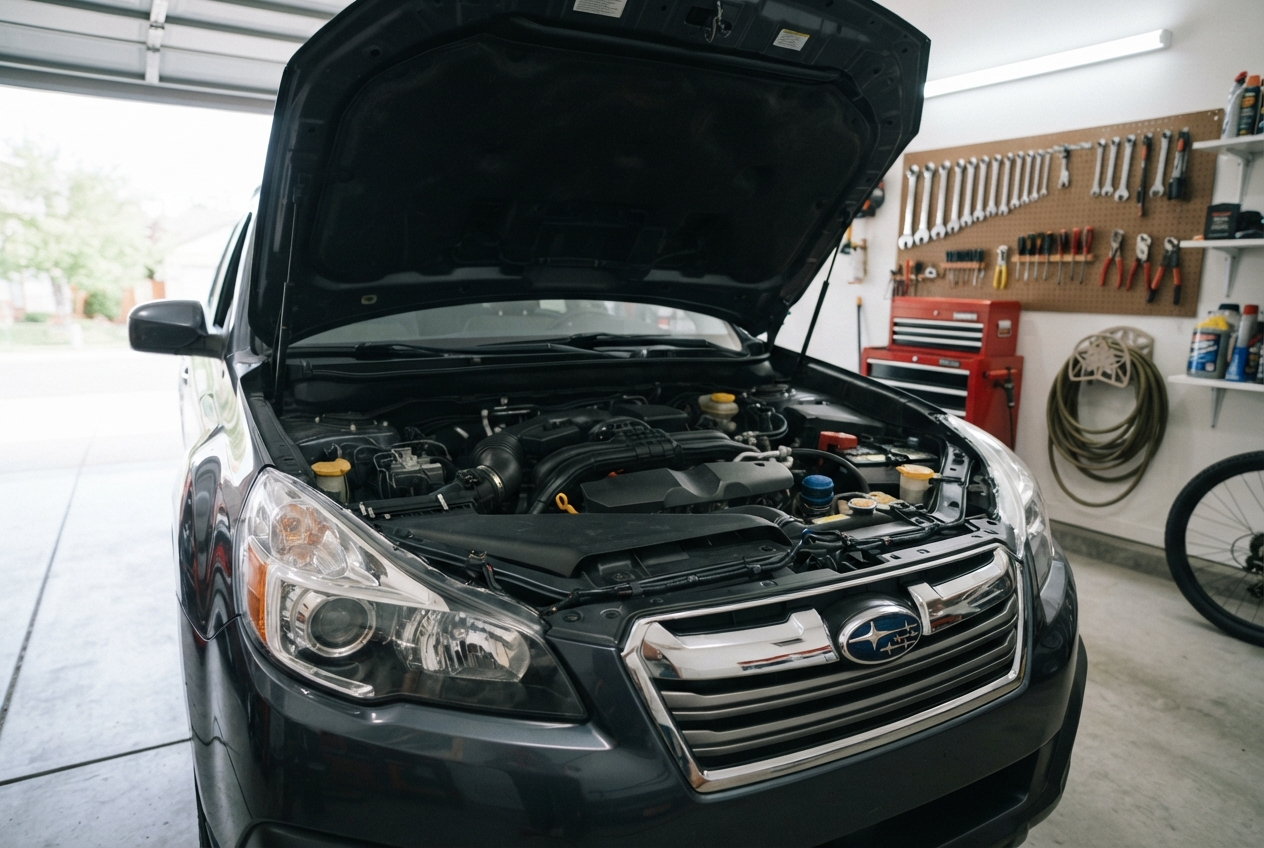
Before adding aftermarket exterior lighting to your car, check your local vehicle code to avoid steep fines.
Most state motor vehicle codes strictly regulate forward-facing colored lights visible from the front of any moving car. In almost all regions, forward-facing red, blue, and green lights are reserved exclusively for authorized personnel. If you are not an active volunteer first responder with an official permit from your local fire chief or sheriff, installing green lights on your car is illegal.
Keeping Our Neighborhood Roads Safe and Connected
Roadways are shared spaces where small courtesies create a safer environment for everyone. The next time you glance in your rearview mirror and catch the glow of green lights on cars, you will know exactly what is happening. That driver is on their way to help a neighbor in need, and taking a brief moment to yield is one of the easiest ways we can support the everyday helpers in our communities.