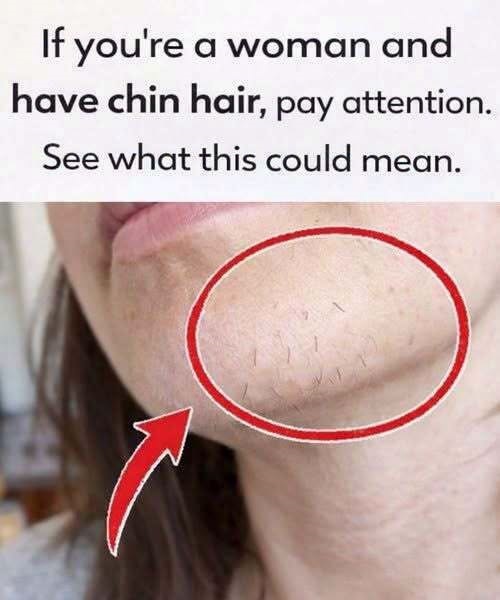
You know the moment. You pull down the sun visor in your car, tilt the vanity mirror to check your lipstick, and freeze. Bathed in unforgiving morning sunlight stands a solitary, wire-thick whisker right on your jawline, seemingly sprouted from another dimension overnight.
You touch it with your fingertip. It feels stiff, stubborn, and completely out of place. Before you spiral into panic or start questioning your body, take a deep breath. Managing sudden chin hair in women is one of the most shared, hush-hush rites of passage in adult life, and you are in wonderfully crowded company.

Clean tools, clean skin: a sanitized pair of slant tweezers and a soothing botanical splash keep post-plucking redness at bay.
Peach Fuzz vs. Rogue Strays: What Follicles Are Doing
Our bodies are covered in thousands of tiny, invisible hairs known as vellus hair. This is the soft peach fuzz that protects your skin barrier, regulates temperature, and mostly stays out of the spotlight. It feels baby-soft because the root sits shallow in the dermis.
Then comes the shift. Under specific chemical signals, a quiet follicle wakes up, shifts gears, and transforms into a terminal hair follicle. These are the same thick, deeply rooted, pigmented strands that grow on your scalp, eyebrows, and underarms.
Once a follicle converts to producing terminal hair, it rarely reverts on its own. It settles into its own independent growth cycle, happily growing, resting, and popping back up a few weeks after you thought you conquered it for good.
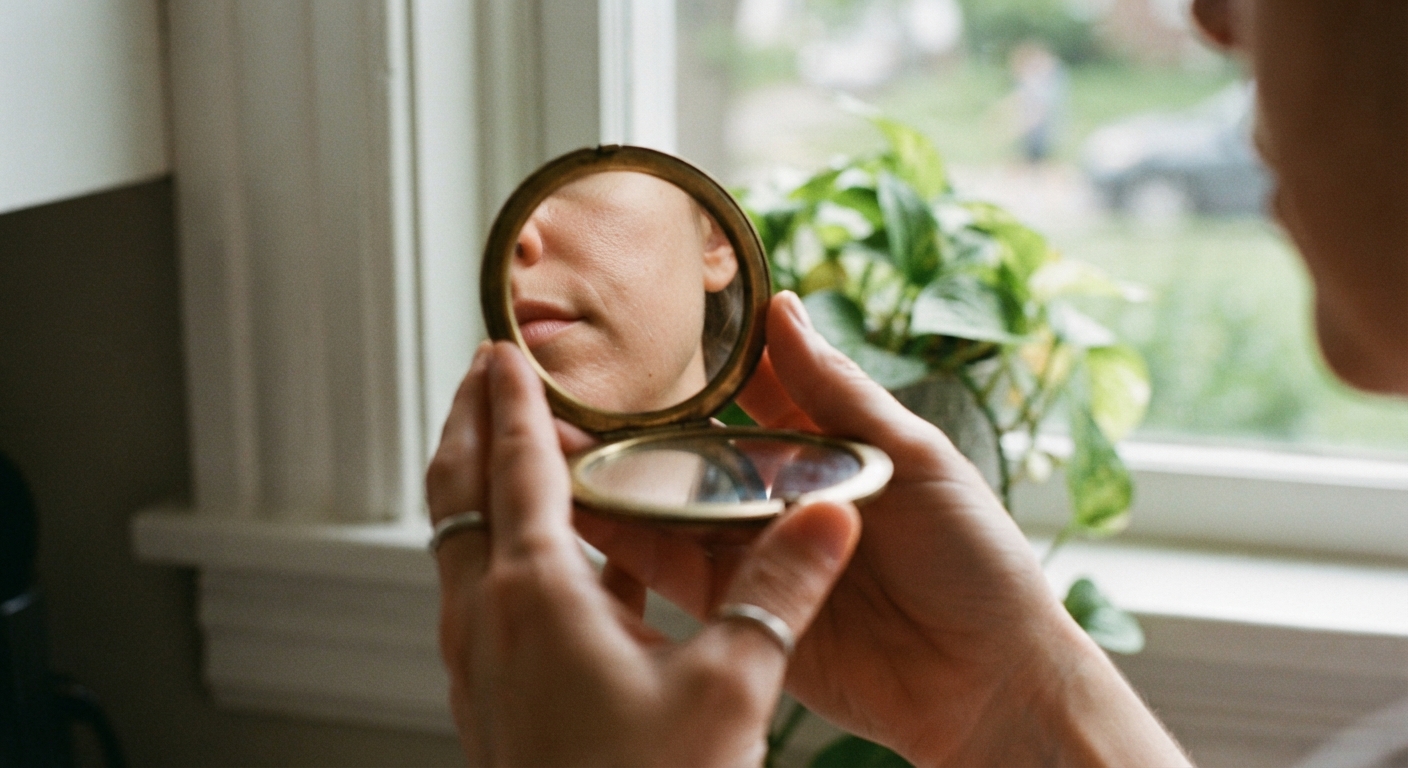
Natural daylight reveals what dim bathroom bulbs hide, making gentle morning checks simple and stress-free.
Why Women Get Chin Hair: Hormones, Genetics, and Real Life
The biological spark behind this change comes down to androgens. Every female body produces a healthy baseline of androgens, including testosterone and DHEA-S. These hormones support bone density, mood, and muscle tone, but hair follicles around your chin, neck, and jawline happen to carry sensitive androgen receptors.
When hormone ratios shift, those chin receptors react. During perimenopause and menopause, your ovaries gradually step back their production of estrogen and progesterone. Because your estrogen drops faster than your baseline androgens, testosterone suddenly holds more relative influence in your bloodstream, nudging those chin follicles into overdrive.
Genetics dictate how responsive those receptors are from the start. Look at your mother, aunts, or grandmothers. If the women in your bloodline kept a faithful pair of tweezers in their handbags, chances are your DNA carries that exact same hair growth blueprint, especially across Mediterranean, South Asian, and Middle Eastern ancestry.
Blood sugar swings also play a quiet, overlooked role. When you consume refined sugars or experience chronic stress, your pancreas pumps out insulin to clear the bloodstream. High circulating insulin stimulates the ovaries and adrenal glands to generate extra androgens, directly feeding the root of stubborn jawline growth.
“A stray whisker is rarely an emergency. Most often, it is simply your body’s sensitive receptors chatting with normal, everyday hormonal fluctuations.”

Sipping steeped spearmint tea offers a soothing morning ritual celebrated for naturally calming androgen activity.
The Removal Playbook: What Works (and What Causes Regret)
Walking down the beauty aisle can feel overwhelming when your skin is irritated. Here is an honest, practical look at how common hair removal methods stack up for daily life.
- Tweezing: Great for isolated rogues. Invest in hand-filed, slanted stainless steel tweezers. Wipe the tips with rubbing alcohol before each use, grip the hair firmly at the base, and pull in the natural direction of growth to avoid snapping the shaft beneath the skin.
- Dermaplaning and Facial Razors: Quick, painless, and completely safe for peach fuzz. Contrary to old playground tales, shaving does not make hair grow back thicker, darker, or faster. It simply leaves a blunt edge at the surface, which can feel temporarily coarse as it pushes through.
- Electrolysis: The true gold standard for permanent clearance. A fine probe delivers a tiny electrical pulse directly into the hair root, destroying the growth center. Because it does not rely on pigment contrast, it works on blond, gray, red, and dark hairs alike.
- Laser Hair Removal: Effective for dense patches of dark hair on lighter skin tones, though newer technology accommodates deeper complexions. It requires multiple sessions to catch hairs in their active growth phase and works best for broad areas rather than two stray chin hairs.
Skip aggressive depilatory creams on sensitive facial skin whenever possible. The alkaline chemicals designed to dissolve keratin bonds frequently cause chemical burns, lingering redness, and contact dermatitis along the fragile jawline contour.

Keeping soothing botanicals and clean dermaplaning blades on hand prevents irritation before it starts.
How to Prevent Post-Pluck Bumps and Ingrown Hairs
The only thing more frustrating than a chin whisker is the painful, inflamed red bump that replaces it after an aggressive plucking session. Follicles get infected easily when bacteria from your fingers or unwashed tweezers enter the open pore.
Always wash your face with warm water and a gentle cleanser before touching any hair removal tool. Softening the skin with a warm washcloth relaxes the pore opening, allowing the root to slide out cleanly without tearing surrounding tissue.
After removal, leave the area alone. Avoid heavy foundation, thick face oils, or fragranced lotions for at least two hours. A gentle swipe of alcohol-free witch hazel followed by a drop of pure aloe vera gel soothes the nerve endings and keeps bacteria from settling into the empty follicle.
If you struggle with recurring ingrown hairs along your jaw, introduce a mild liquid exfoliant containing 1% or 2% salicylic acid into your evening routine twice a week. Salicylic acid is oil-soluble, meaning it penetrates deep into the pore lining to clear out dead skin flakes before they can trap new hair growth underground.
Daily Rituals That Support Balanced Skin
Beyond mechanical removal, gentle lifestyle adjustments help steady your internal hormone rhythms. One simple, evidence-backed addition is loose-leaf spearmint tea. Drinking two cups daily has been shown to encourage healthy androgen balance, gradually slowing down the aggressive regrowth rate of coarse facial hair over several months.
Pair your tea with steady, blood-sugar-conscious meals. Anchoring breakfast with savory proteins, healthy fats, and fiber keeps your insulin curve flat, preventing the hormonal surges that wake up sleeping follicles. Think scrambled eggs with spinach, chia seed pudding with walnuts, or hearty oatmeal topped with flaxseed.
Prioritize genuine rest. Chronic fatigue spikes cortisol, your master stress hormone, which nudges your adrenal glands to release supplemental androgens. A calm evening wind-down routine does far more for your complexion and endocrine balance than any fancy miracle cream on the market.
When to Check In with Your Doctor
While an occasional stray hair is completely typical, sudden dramatic shifts deserve a professional look. If you notice a sudden wave of dark, coarse hair spreading across your chin, neck, chest, or abdomen within a short span of months, schedule a visit with your primary healthcare provider or an endocrinologist.
Pay attention to accompanying signs like irregular or absent periods, sudden cystic breakouts along your lower jaw, unexplained weight fluctuations, or thinning hair at your scalp temples. These signals often point toward Polycystic Ovary Syndrome (PCOS) or thyroid imbalances, both of which are common, highly manageable, and worthy of compassionate medical care.
Your doctor can run a basic morning blood panel to evaluate free testosterone, DHEA-S, thyroid stimulating hormone, and fasting insulin levels. Getting clarity on your internal baseline takes the guesswork out of your symptoms and puts you back in charge of your body.
Finding Peace with Your Reflection
Living in human skin means experiencing changes as the years go by. Discovering chin hair in women is not a personal failure, a hygiene flaw, or a sign that you are losing your femininity. It is simply biology doing what biology does when hormones adjust and life moves forward.
Whether you choose to pluck every stray the second it appears, invest in permanent electrolysis, or leave it entirely alone is your own choice. Keep your tweezers clean, your herbal tea hot, and remember to look in your mirror with kindness every single morning.