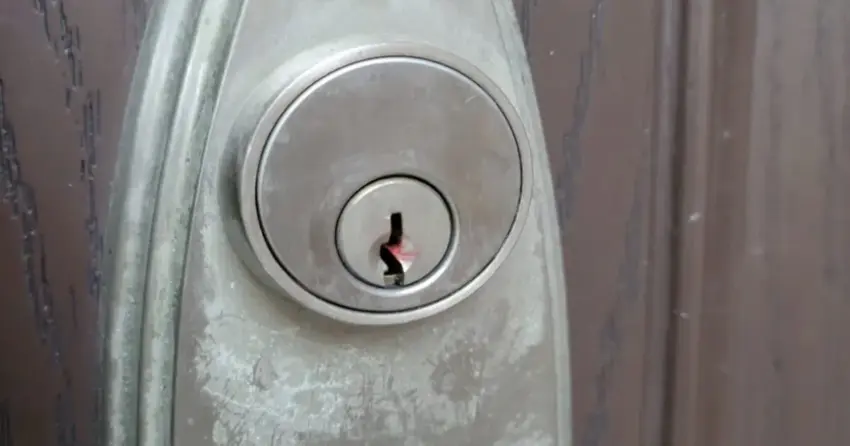
You pull into the driveway, arms full of grocery sacks, juggling your keys while trying not to drop a carton of fresh eggs. You reach for the deadbolt, aim your key at the cylinder, and freeze. Right there, wedged along the rim of the keyway or smeared flat against the brass faceplate, is a dollop of crimson paraffin. Finding red wax on your house lock is the kind of discovery that stops your breath for a second. Your mind instantly races through a dozen uncomfortable possibilities: Is it a prank by neighborhood kids? A weird DIY mishap from the mail carrier? Or something far more calculated?
While the internet loves to spin wild tales of international spy rings and cryptic symbols, physical markings on residential doors deserve genuine attention. Burglars, lock pickers, and property scouts rely on quiet, low-tech methods to test whether a house is occupied or vulnerable. Finding foreign substances on your entry hardware is a sign you need to stop, evaluate, and harden your perimeter.
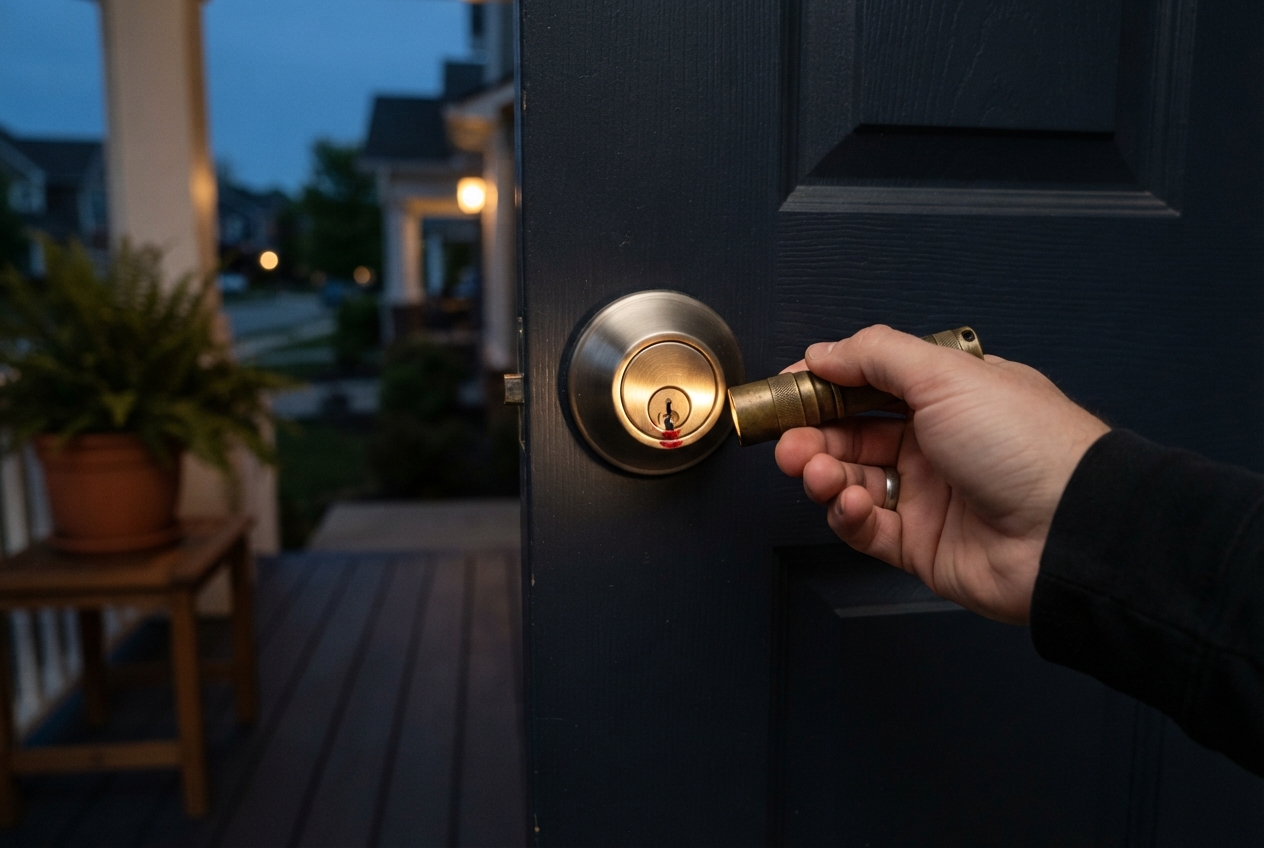
A quick flashlight check around your front entry hardware reveals whether you are dealing with melted wax or simple harmless debris.
What Finding Red Wax on Your House Lock Actually Means
Locksmiths and crime prevention officers encounter strange substances on locks far more often than you might imagine. When you discover wax on your hardware, it generally falls into one of three distinct categories: presence testing, impression scouting, or sheer random nuisance.
The most common tactical use of wax is the classic “tamper seal” technique. Prowlers scouting a neighborhood will place a tiny dab of soft candle wax or sealing wax right across the seam of the keyhole or between the deadbolt cylinder and the collar. If you come home and insert your key, you break the wax seal. If the prowler walks past forty-eight hours later and sees the wax completely intact, they know nobody has entered that door for days.
In rarer cases involving targeted thefts, wax is used for rudimentary key impressioning. A criminal presses a soft, wax-coated blank or impressioning tool against the cylinder pins to read the depth of the cuts or check for internal play. While modern pin tumbler systems make field impressioning difficult for amateurs, opportunistic thieves still use wax paste to test how smoothly an old cylinder turns.
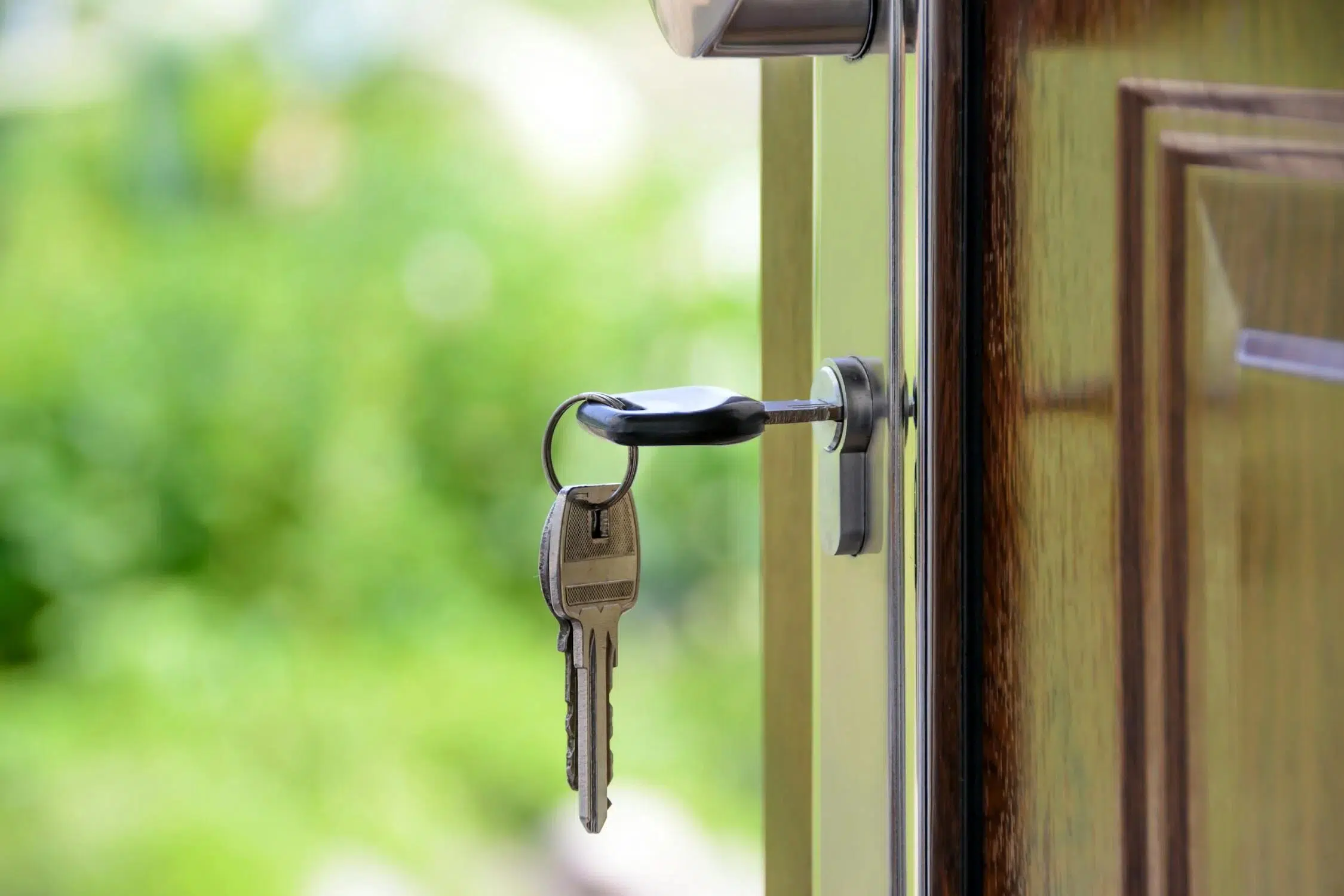
Leaving keys in locks or relying on worn entry hardware makes your home an easy mark for opportunistic spotters.
Of course, we cannot rule out mundane domestic explanations. If your children recently played with melted crayons on the porch, or if a neighbor dropped off a holiday package sealed with decorative stamped wax, residue can easily transfer to your fingers and onto the brass. But treating the mark as intentional until proven otherwise is the safest posture you can take.
Immediate Triage: What NOT to Do When You Spot Wax
Your first instinct is probably to grab your house key, jam it into the lock, and scrape the gunk away. Stop right there. Shoving your key into a wax-filled cylinder is the absolute worst move you can make.
When you push a metal key into a keyhole clogged with wax, you force that pliable material deep into the pin chambers and springs. Once wax settles around the tiny driver pins and delicate springs inside the shear line, the lock will seize up completely. You transform a suspicious nuisance into an expensive evening locksmith callout.
Never stick a key or a sewing needle into a lock cylinder that contains wax. Doing so rams the debris past the front pins and destroys any chance of preserving clear photographic evidence.
Before you touch anything, take out your smartphone. Turn on the flashlight, step back, and snap three clear photos: a wide shot showing the entire door assembly, a mid-range photo showing the handle and deadbolt, and a tight macro shot of the wax itself. If law enforcement in your town is tracking a string of daytime break-ins, that photograph provides tangible documentation for their patrol blotter.
How to Safely Clean Wax Out of Your Lock Mechanism
Once you have documented the mark and checked your perimeter, you need to clean the hardware without pushing wax deeper into the internal tumblers. Avoid the temptation to blast the keyway with a lighter or an open flame. Extreme heat can warp the brass cylinder, ruin internal weather seals, and discolor your door finish.
Instead, follow this gentle mechanical cleaning approach:
- Chip the outer layer: Use a wooden toothpick or a plastic collar stay to gently flick away any dry, brittle wax sitting on the exterior faceplate. Avoid metal tools that scratch the finish.
- Apply dry cold: Hold an ice cube wrapped in a thin paper towel against the wax for sixty seconds. Freezing the wax makes it brittle, allowing you to pop larger pieces off with minimal pressure.
- Dissolve stubborn residue: Dip a cotton swab in a small amount of isopropyl alcohol and gently wipe the keyway rim. Alcohol breaks down paraffin oils without leaving sticky residues behind.
- Flush with proper lubricant: Spray a short burst of dry graphite or dedicated PTFE lock cleaner into the cylinder. Never use sticky multi-purpose oils like WD-40, which attract dirt and turn leftover wax into a gummy sludge.
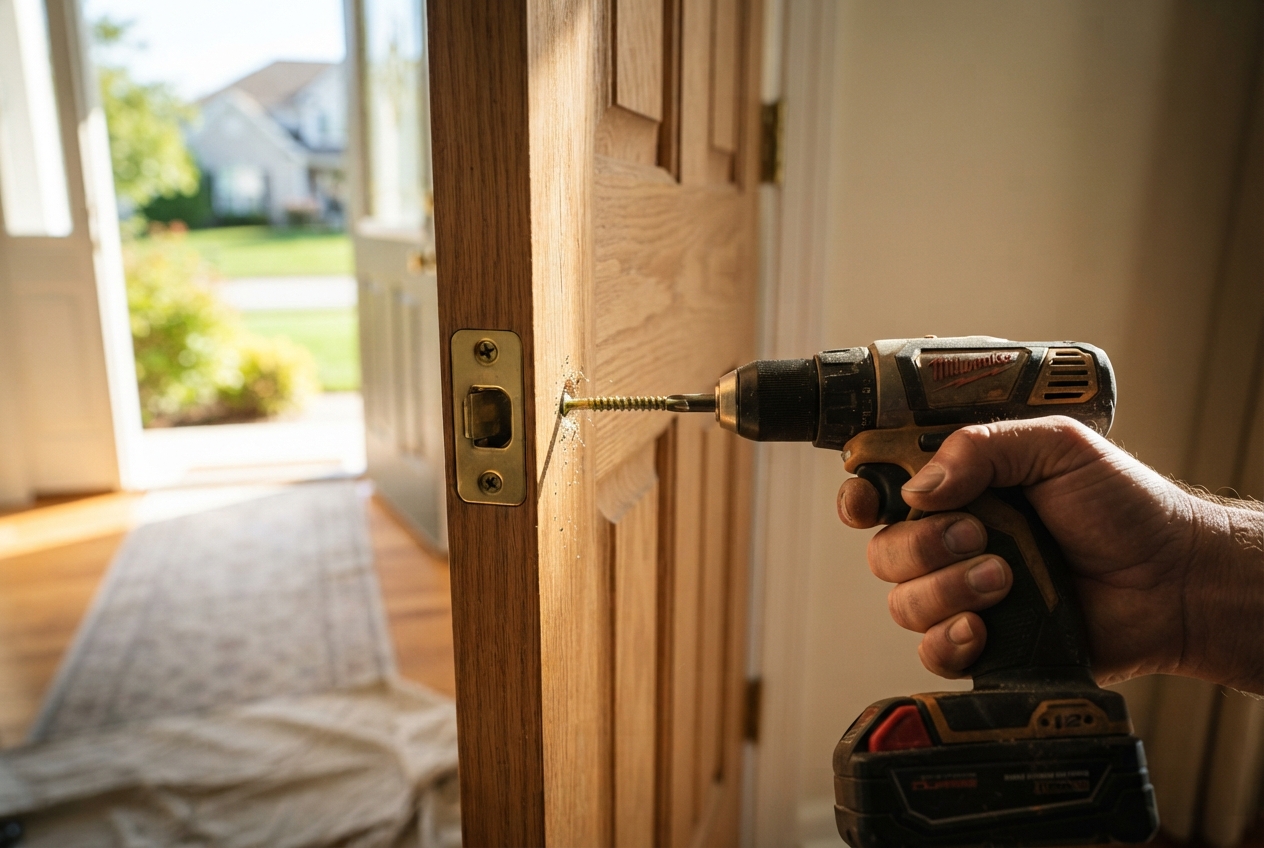
Replacing standard factory strike plate screws with three-inch screws anchors your door directly into the house framing.
Upgrading to High-Security Deadbolts and Pick-Resistant Cylinders
If your front door still relies on the basic contractor-grade lock that came with the house twenty years ago, this incident is your cue to upgrade. Most standard locks purchased at big-box hardware stores are ANSI Grade 3 hardware, designed for low-traffic interior doors rather than primary exterior barriers.
Step up to an ANSI Grade 1 deadbolt from trusted manufacturers like Schlage, Medeco, or Mul-T-Lock. Grade 1 deadbolts feature solid brass or steel bolts that extend a full inch into the door jamb, reinforced with internal anti-saw rolling pins made of hardened steel. If a prowler attempts to cut the bolt or force the cylinder, the hardened core spins freely rather than shearing.
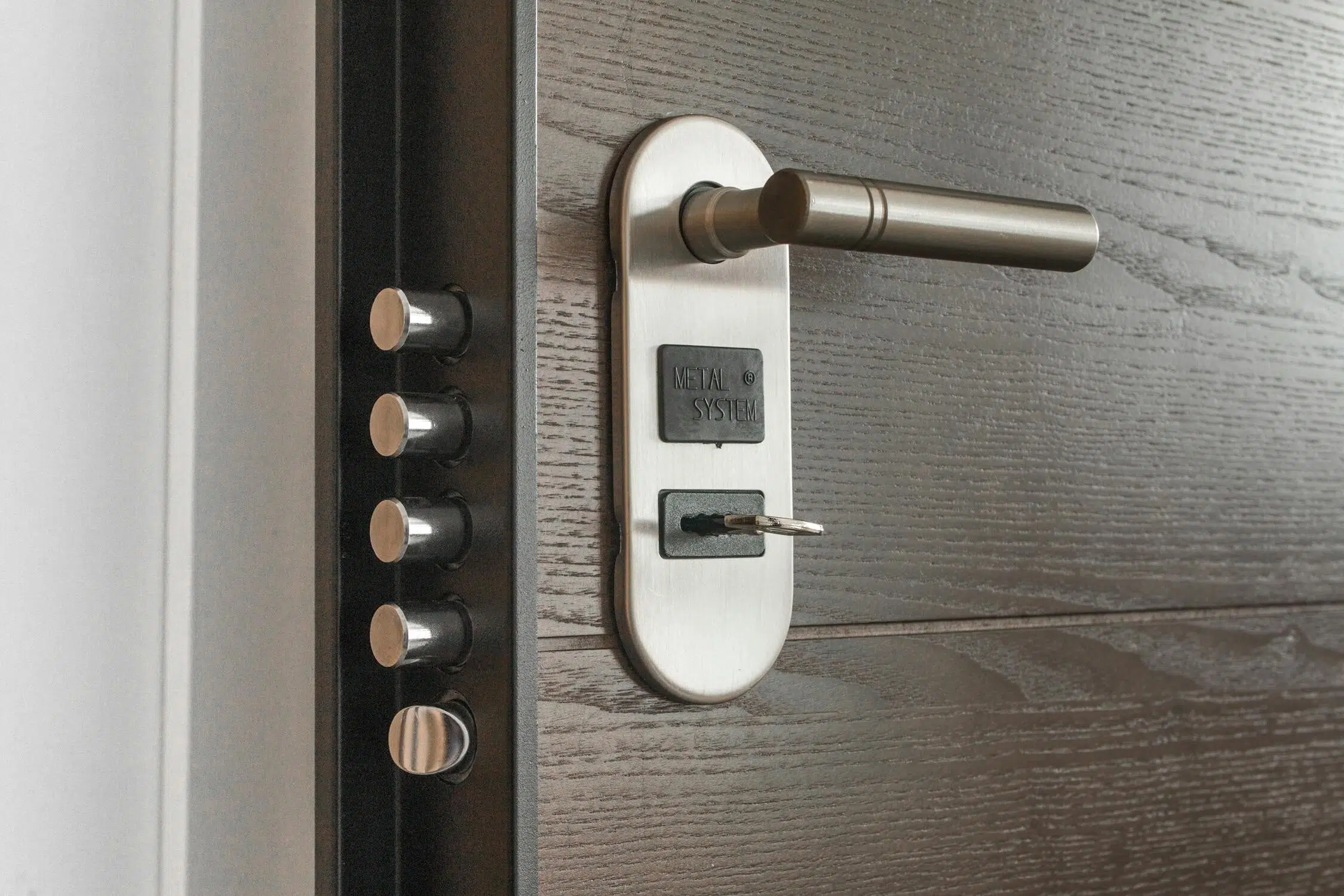
A heavy-duty deadbolt with hardened steel bolts offers solid resistance against physical attacks and picking attempts.
Consider upgrading to a smart deadbolt that eliminates the exterior keyway entirely. Key-free electronic touchscreens remove the physical keyhole altogether, completely neutralizing lock impressioning, wax marking, and bumping tactics in one fell swoop. Plus, you receive real-time notifications on your phone whenever anyone touches the keypad.
Physical Home Hardening: Reinforce the Entire Door Frame
A lock is only as strong as the wooden frame holding it in place. In the vast majority of forced entries, the lock cylinder never actually fails; instead, the wood around the strike plate splits wide open under the force of a firm kick.
Take a look at the strike plate screwed into your door jamb right now. Chances are, it is held in place by tiny three-quarter-inch screws that barely bite into the soft decorative pine trim. A single well-placed shoulder blow will tear that trim right off the wall studs.
Head to the hardware store and pick up a heavy-duty steel strike plate and a box of three-inch hardened wood screws. Remove the old screws one at a time and drive the three-inch fasteners deep through the jamb and into the structural two-by-four framing studs behind it. That fifteen-minute DIY adjustment multiplies your door’s kick resistance dramatically.
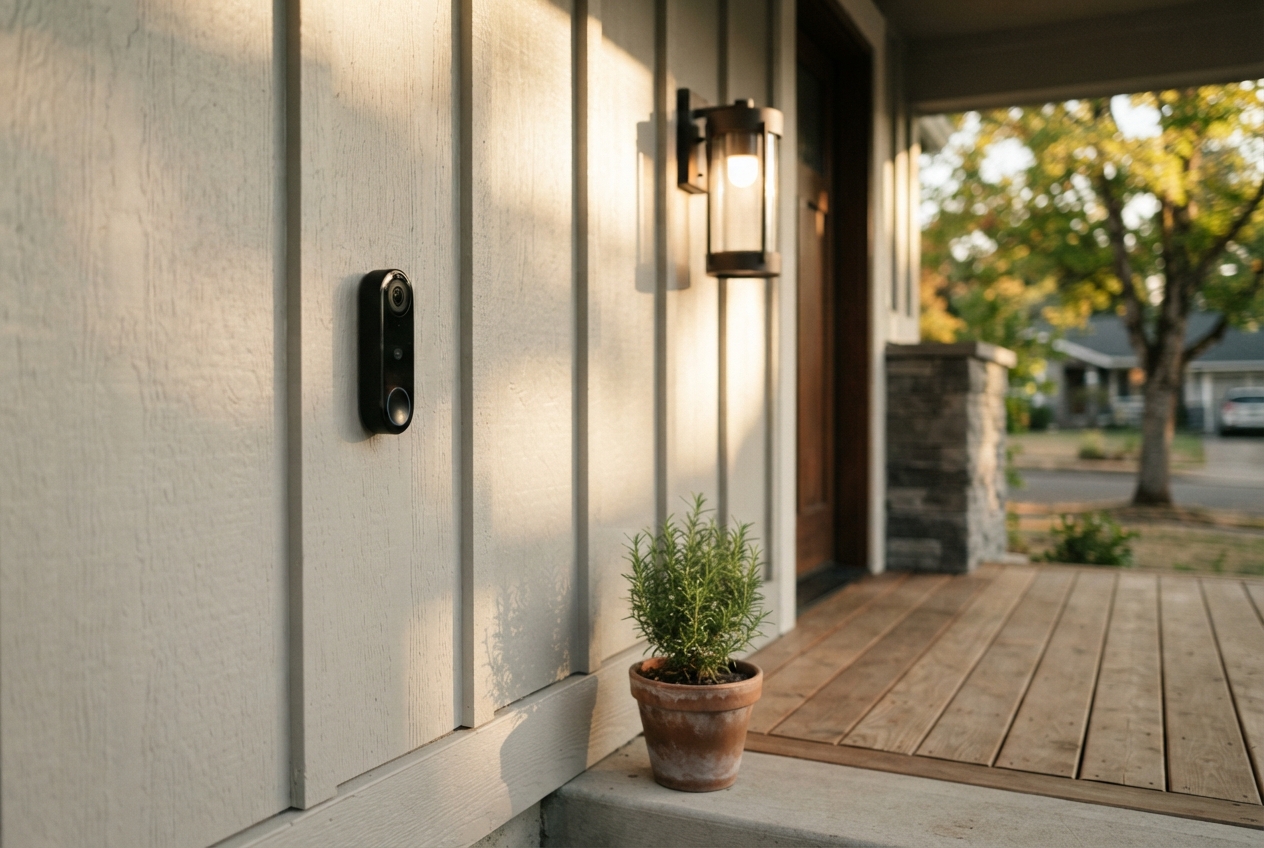
Visible, properly positioned video doorbells act as an instant deterrent against spotters testing front porches.
Securing Outbuildings, Gates, and Secondary Access Points
When prowlers mark a home, they rarely limit their attention to the front porch. In fact, seasoned burglars prefer side yards, detached workshops, and garage service doors because those spots offer shelter from the street view.
Walk your entire property line and inspect every secondary portal:
- Side garden gates: Make sure latches cannot be tripped from the outside using a wire coat hanger. Add heavy-duty padlocks with shrouded shackles that resist bolt cutters.
- Detached garages and sheds: Tools stored in sheds—crowbars, ladders, and heavy screwdrivers—are routinely stolen by thieves to break into the main residence. Lock down your outbuildings with high-grade hasps.
- Basement window wells: Install interior security grates or window locks on below-grade windows, which are notoriously easy targets for prowlers crawling behind bushes.
- Sliding glass patio doors: Drop a solid wooden dowel or an adjustable metal security bar into the interior bottom track to prevent forced sliding.
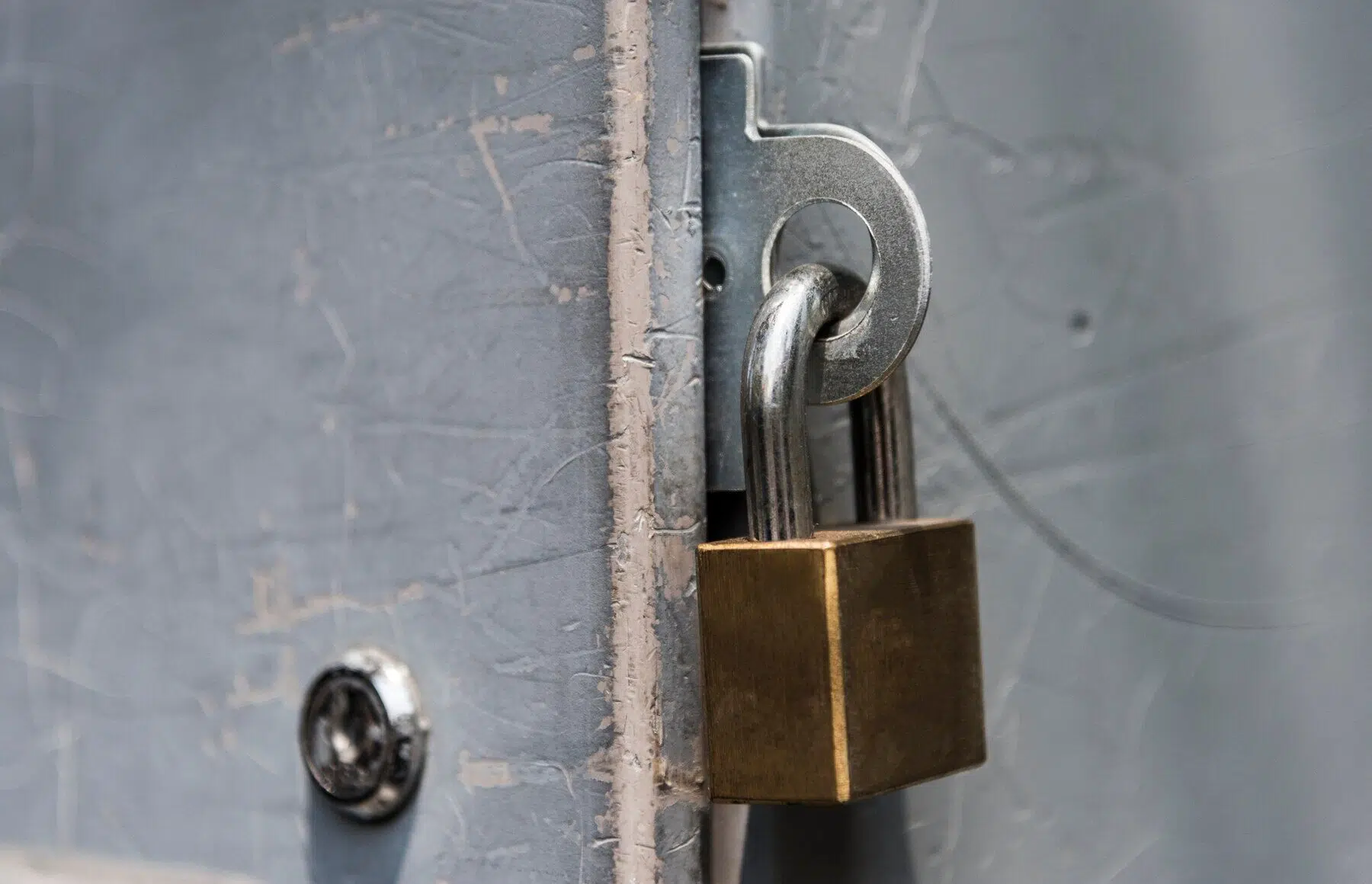
Don’t stop at the front door; check padlocks on side gates, tool sheds, and alley entrances for signs of tampering.
Strengthening the Interior Garage and Entryway Doors
Many homeowners pour all their security attention into the front entrance while completely neglecting the door connecting their attached garage to the kitchen. Once an intruder slips past a rolled-up garage door or an unlocked side service entrance, they find themselves standing in front of a lightweight interior hollow-core door with a simple privacy knob.
Treat your garage-to-house access door with the exact same seriousness as your main exterior entrance. Replace hollow interior doors with a solid wood or metal-clad fire-rated door. Install a dedicated Grade 1 deadbolt, and keep it locked around the clock, even when you are relaxing inside enjoying a tall glass of iced tea on a warm afternoon.
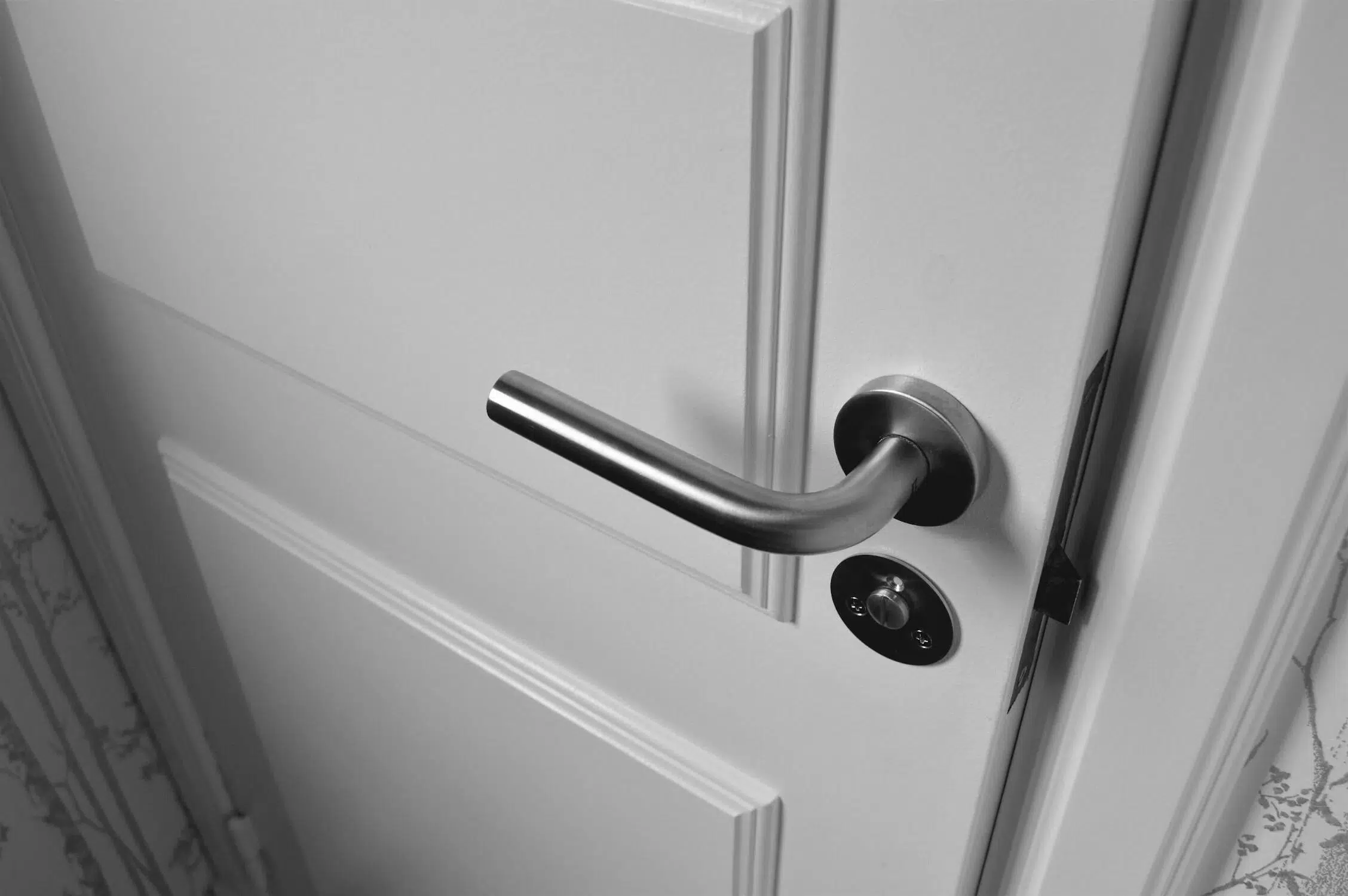
Modern, clean interior door hardware should always include reinforced latches on doors leading into the main house from the garage.
Porch Habits and Natural Deterrents That Keep Scouts Away
Physical locks are your last line of defense, but your everyday home presentation dictates whether a prowler bothers walking up your steps in the first place. Thieves look for predictable habits, dark corners, and homes that project an absentee owner.
Trim back overgrown boxwoods and dense shrubs that flank your front porch. When foundation plantings grow taller than your window sills, they create concealed hiding spots where a scout can tamper with your hardware completely hidden from the street. Keep sightlines wide open from the curb straight to the front knob.

An observant, connected neighborhood watch culture stops property scouts long before they reach your front steps.
Next, audit your porch lighting. Swap out dull porch bulbs for high-lumen LED fixtures equipped with dusk-to-dawn sensors. Add motion-activated floodlights along your driveway and dark side pathways. Thieves thrive on shadows; when the simple act of stepping onto your walkway bathes the area in crisp light, scouts move right along to an easier block.
Finally, tap into the power of a connected neighborhood. When you spot strange marks, call your immediate neighbors or post a factual note on your local community board. Often, someone two doors down noticed a stranger lingering near their steps the previous afternoon. When an entire street stays alert, opportunistic property markers lose their advantage entirely.
Finding unexpected red wax on your house lock is an unwelcome jolt to your peace of mind, but it does not mean your home is doomed to a break-in. Think of it as an early heads-up from your front porch—a clear reminder to tighten up your hardware, reinforce your door frame, and stay mindful of your daily surroundings. With a sturdy deadbolt and a well-lit walkway, you can lock your door tonight with total confidence.